

























Lawyer Reveals Why UGC Guidelines Can’t Be Caste-Neutral

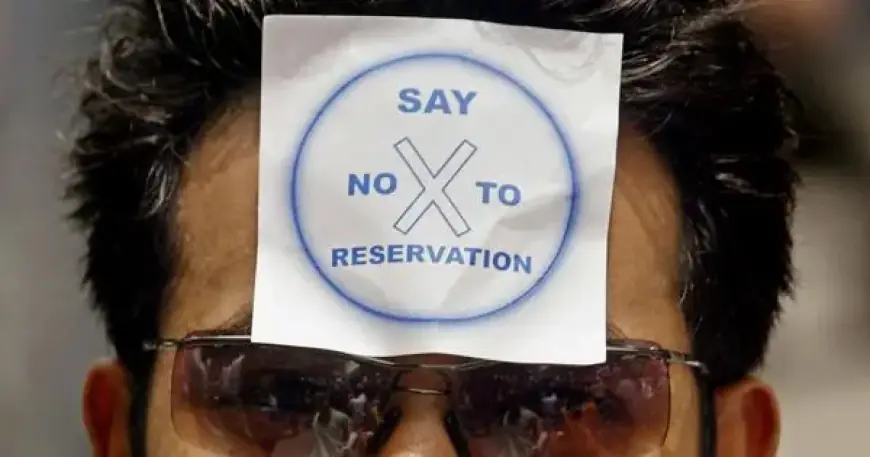
The debate surrounding the University Grants Commission (UGC)’s new anti-discrimination guidelines has sparked significant public interest. Protestors, primarily from upper-caste groups, have called for these guidelines to be caste-neutral, raising fears of potential misuse of regulations meant to protect marginalized communities. However, legal expert Disha Wadekar argues that making the guidelines caste-neutral would undermine their purpose, leading to over-saturation of complaints and further complicating legal processes.
Understanding the Challenges of Caste Neutrality in Regulations
Wadekar, who represents petitioners advocating for institutional safeguards against caste-based discrimination, emphasizes that a caste-neutral approach is impractical. “If guidelines were to be caste-neutral, they would also need to be gender-neutral and disabilities-neutral,” she stated. This complexity could result in a flood of complaints from various groups, diluting the original focus on marginalized communities.
Details of Legal Proceedings
Currently, the UGC’s Redressal of Grievances of Students Regulations, 2023, allow any student to lodge complaints regarding victimization. The Supreme Court recently stayed the new regulations, asserting that the definition of caste-based discrimination requires neutrality. The next hearing is set for March 13, which will further clarify the legal standing of these guidelines.
- Important Dates:
- January 29: Supreme Court’s interim order.
- March 13: Next hearing date on the matter.
Wadekar highlighted that the current regulations primarily focus on the protection of Scheduled Castes (SCs), Scheduled Tribes (STs), and Other Backward Classes (OBCs) against discrimination. This focus is essential, she asserts, as these groups have historically faced systemic injustices.
Concerns About Misuse and Ineffectiveness
Critics of the regulations worry about the potential for misuse. Wadekar contends that this fear stems from broader systemic failures within the justice system rather than inherent flaws in the regulation itself. She compared misuse narratives surrounding the regulations to those about the Atrocities Act, emphasizing the need for substantial evidence to substantiate claims of discrimination.
The Need for Robust Implementation
Wadekar’s insights shed light on institutional failures that exacerbate caste-based discrimination. She indicated that many educational institutions lack operational equal opportunity cells or equity committees, which hampers effective grievance redressal. In her observations, the monitoring of compliance with these regulations is essential to ensure tangible protection against discrimination.
- Challenges noted in institutions:
- Low awareness of equal opportunity cells among college authorities.
- A majority of colleges failed to establish necessary compliance measures.
The Path Forward in Addressing Discrimination
For Wadekar and her peers, moving beyond mere regulations on paper is crucial. They advocate for the establishment of stringent enforcement mechanisms similar to those seen with anti-ragging laws, which have proven successful. Without effective mechanisms, existing regulations risk remaining ineffective and failing to support students in need.
The discourse surrounding UGC’s caste-related guidelines remains heated, with concerns regarding fairness and inclusivity. As the next hearing approaches, the legal community eagerly anticipates a more defined direction regarding these critical issues impacting higher education in India.