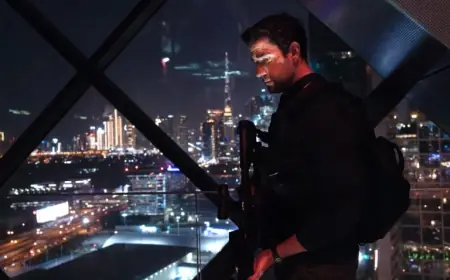

























Dhurandhar OTT Release: Ranveer Singh’s Spy Thriller Hits Streaming as Viewers Debate Cuts, Sound Edits, and What the Digital Drop Means Next

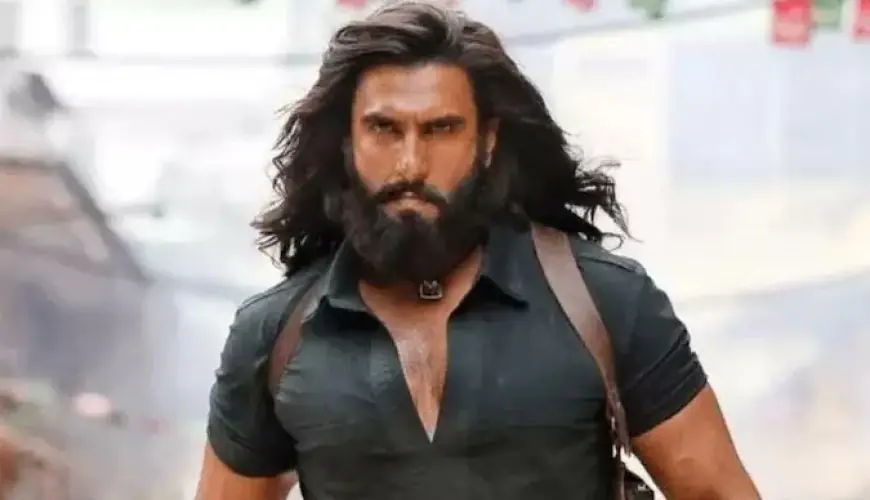
Dhurandhar has officially moved from theaters to OTT, giving viewers a new way to watch Ranveer Singh’s high-intensity spy thriller at home. The film’s streaming debut arrived on Friday, January 30, 2026 ET, following a blockbuster theatrical run that turned it into one of the most talked-about Hindi releases of the past two months.
Within hours of the digital launch, however, the conversation shifted from box-office momentum to a more specific set of questions: Is the streaming version shorter, are certain words muted or beeped, and did the platform alter the movie after it left cinemas?
What happened: Dhurandhar lands on OTT, then “edited version” claims take off
The film became available on a major streaming platform as a headline new release, and viewers quickly began posting side-by-side comparisons with what they remembered from theaters. The most common claims were that the digital cut felt shorter and that some dialogue sounded muted or partially censored.
Soon after, the streamer’s position was clear in industry chatter: the version uploaded for OTT was the same master delivered by the studio, with no additional edits applied after the fact. That statement matters because it changes the nature of the debate. If the streamer did not alter the film, then any differences viewers think they’re seeing likely come from how the original master was prepared, how audio is mixed on home systems, or how people remember a loud theatrical experience versus a living-room watch.
Behind the headline: why OTT versions trigger “they changed it” controversies
This kind of dispute is increasingly common, and Dhurandhar checks several boxes that make it more likely:
Context and expectations
Dhurandhar is an aggressive, propulsive thriller with a gritty tone, heavy emotions, and violent set pieces. When a movie like that shifts mediums, tiny changes in sound or pacing can feel huge.
Incentives and accountability
Streamers want clean delivery and fast turnaround. Studios want consistency and brand protection. Fans want the theatrical experience recreated perfectly. When those incentives collide, the easiest storyline becomes blame: either the platform “censored it” or the studio “softened it.” In many cases, the truth is more mundane: different audio mixes and compression settings can produce perceived beeps, clipped words, or a flatter impact.
Second-order effects
If enough viewers believe a film is altered, it can damage rewatch value and word of mouth, especially for movies driven by intensity. On the other hand, the controversy can also function as free marketing, pushing curious viewers to hit play just to see what the fuss is about.
Dhurandhar on OTT: the essentials viewers want to know
Release date in ET
The OTT debut is dated Friday, January 30, 2026 ET. Depending on how your device and region handle global midnight rollouts, some viewers may have seen it appear late Thursday, January 29, 2026 ET.
Language and version chatter
Viewers are discussing whether there are differences between theatrical and streaming presentation, but the official line circulating in the industry is that the platform streamed the film exactly as delivered by the studio.
Ranveer Singh, Aditya Dhar, and what Dhurandhar is selling as a star vehicle
Dhurandhar is directed by Aditya Dhar and anchored by Ranveer Singh in a less flamboyant, more coiled performance than many audiences associate with him. The film leans into a rawer emotional register, tying personal trauma to national-security stakes and underworld conflict.
Key cast names attached to the project include Akshaye Khanna, Sanjay Dutt, Arjun Rampal, and R. Madhavan, helping position Dhurandhar as a “big ensemble, big intensity” thriller rather than a minimalist espionage drama.
This matters for OTT because streaming audiences often choose films based on cast credibility first, premise second. The lineup is designed to reduce friction: even if you know nothing about the plot, the names signal tone and scale.
Stakeholders: who benefits from the OTT launch, and who’s exposed by the complaints
The studio and producers
A strong OTT run extends the film’s commercial life, boosts negotiating leverage for future projects, and can help set the table for follow-ups. But if the “altered version” narrative sticks, it can complicate the film’s long tail.
The streaming platform
A major release can drive subscriptions and weekend viewing spikes. Yet quality complaints, even if inaccurate, create reputational risk: viewers remember frustration more vividly than clarification.
Fans
Audiences get access and convenience. But fans also become informal auditors, especially when a theatrical hit lands on home screens and people rewatch with a more forensic eye.
Cast and creative team
For Ranveer Singh and Aditya Dhar, OTT is a second premiere. It can reinforce the film’s stature if it trends for the right reasons, or distract from the work if the discourse gets stuck on edits and audio.
What we still don’t know: the missing pieces that will settle the debate
Even with assurances that the uploaded file matches the studio master, several practical questions remain:
Whether the theatrical audio mix differs materially from the home mix in ways that feel like censorship
Whether certain devices, soundbars, or TV settings are exaggerating compression artifacts that resemble beeps or muted syllables
Whether viewers are comparing different language tracks or subtitle options and mistaking those differences for cuts
Whether any early technical issue at launch, like a lower-bitrate stream, shaped first impressions before the picture stabilized
What happens next: realistic scenarios and triggers
Scenario 1: The controversy fades, viewership dominates
Trigger: more viewers confirm their versions match the theatrical experience, and the conversation moves to performances and set pieces.
Scenario 2: The streamer quietly updates technical delivery
Trigger: enough complaints about audio or picture quality prompt a refreshed encode, even if the cut remains unchanged.
Scenario 3: The studio clarifies with a stronger statement
Trigger: continued claims about missing minutes push the producers to address runtime and mastering details directly.
Scenario 4: OTT success accelerates sequel planning
Trigger: sustained completion rates and social chatter keep Dhurandhar in the weekend conversation, strengthening the business case for the next chapter.
Dhurandhar’s OTT arrival was always going to be a second life for a theatrical phenomenon. The twist is that the biggest early question isn’t the plot or the performances, but whether the at-home version matches what audiences remember from the cinema. The next few days of viewing, comparisons, and technical clarifications will decide whether that question becomes a footnote or the headline.