Gold Price Today: sharp pullback leaves metal near $4,900 after a volatile week

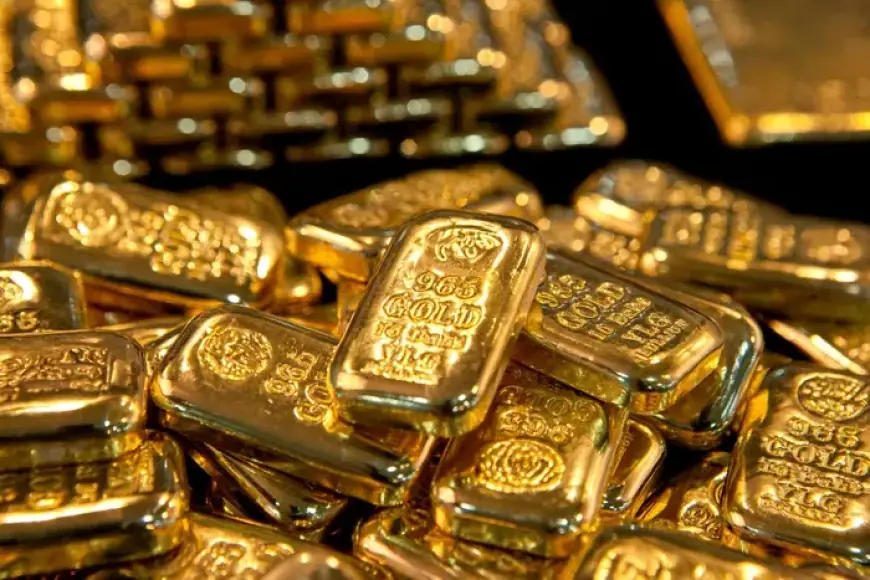
Gold Price Today is effectively a “Friday close” snapshot for many investors, with major U.S. markets shut on Sunday, February 1, 2026. The latest widely posted spot quote from late Friday shows gold near $4,900 an ounce after a steep slide that followed last week’s surge to fresh record territory—highlighting just how quickly sentiment can flip when rates, the dollar, and positioning all move at once.
Gold Price Today: latest levels
With weekend trading activity limited, the most actionable reference point is the last update from Friday’s U.S. session.
| Measure (USD) | Level | Change shown | Timestamp / context |
|---|---|---|---|
| Spot gold (per troy oz) | 4,905.86 | -484.20 (-8.97%) | Last updated Fri, Jan. 30, 2026, 5:00 p.m. ET |
| Front-month gold futures (per troy oz) | 4,763.10 | -612.00 (-11.39%) | Latest quote displayed on Sunday (market closed); session stats show an open near 5,476.50 |
Those figures imply the selling pressure wasn’t a gentle consolidation—it looked more like a fast deleveraging move, with futures absorbing a bigger percentage drop than spot.
What changed from the record run
Gold’s move comes after a week in which the metal briefly traded above the $5,000-per-ounce mark amid heavy “safe-haven” demand. The reversal back toward the high-$4,000s signals that some of the same forces that help gold rally—uncertainty and hedging demand—can also produce snapback moves when traders reduce risk or reassess how much protection they need.
Two features stood out in the latest downdraft:
-
Speed: A drop of nearly 9% in the 24-hour change displayed for spot is large for gold, which typically moves in smaller daily increments during calm periods.
-
Futures volatility: The front-month contract’s session range (from the mid-$4,700s up to the mid-$5,500s) suggests wide intraday swings and heavy repositioning rather than a one-direction grind.
The dollar, yields, and policy expectations
Gold tends to react to the same macro trio again and again: the U.S. dollar, U.S. interest rates, and expectations for where policy is headed next.
A stronger dollar can make dollar-priced gold more expensive for non-U.S. buyers, dampening incremental demand. Meanwhile, higher yields raise the “carry cost” of holding a non-yielding asset like gold, especially for investors comparing alternatives in cash and bonds.
This week’s action fits a familiar pattern: when rate expectations harden (or when traders simply decide they’re too heavily positioned in one direction), gold can fall quickly even if the longer-term narrative—diversification, inflation hedging, geopolitical uncertainty—has not disappeared.
Positioning and liquidity matter more than headlines
Big gold moves often have a mechanical component: margin, leverage, and liquidity. Futures markets can amplify price changes as traders meet margin calls or reduce exposure, and that can spill over into spot pricing. In fast markets, bids can thin out and widen the gap between “where the market is” and “where investors expected it to be.”
That backdrop helps explain why gold can set a record high one week and print an outsized drop the next without a single “one-line” catalyst. The driver can be a cluster of small shifts—dollar up, yields up, risk appetite stabilizing, and crowded positioning unwinding—rather than a new headline that changes the world.
What to watch next week
When trading resumes, the next directional clue for gold may come less from day-to-day news flow and more from a short list of observable indicators:
-
U.S. dollar strength: If the dollar continues to firm, it can keep pressure on metals priced in USD.
-
Rates and the policy path: Any re-pricing of expectations around the Federal Reserve can move real yields and, by extension, gold.
-
Volatility in futures: Elevated ranges and large daily swings can persist if positioning remains fragile.
-
Physical-market cues: Premiums and buying interest in key hubs can help confirm whether the pullback is attracting real demand or simply reflecting reduced speculative heat.
If gold stabilizes above the high-$4,000s early next week, traders may frame the move as a reset after a record run. If selling resumes with the same speed, it will reinforce that the market is still prioritizing rates and the dollar over the “store of value” narrative—at least in the short term.
Sources consulted: CME Group; LBMA; World Gold Council; Reuters