























Melania movie reviews: Critics savage the new documentary, audiences rate it far higher

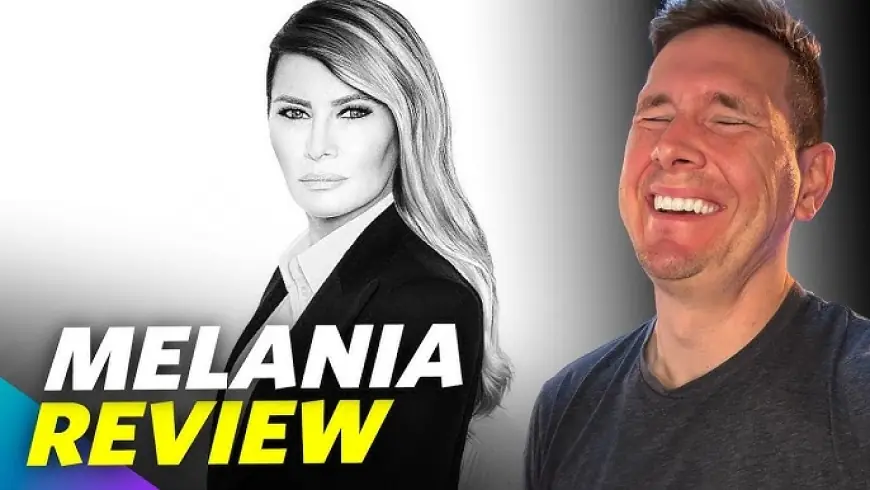
Melania movie reviews are landing with a striking split: top critics are overwhelmingly negative, while verified audience ratings are strongly positive in the first weekend of release. The divide is turning Melania into a culture-war Rorschach test as much as a film—one that’s being watched as closely for what it signals about politics and entertainment as for what’s on screen.
The documentary, built around Melania Trump and directed by Brett Ratner, opened wide in U.S. theaters on Friday, Jan. 30, 2026 (ET), with a streaming window expected later.
melania movie reviews: A brutal critical consensus
Across major review outlets, the main criticism is not about access—there’s plenty of it—but about purpose. The film is repeatedly described as controlled, airbrushed, and emotionally distant, with reviewers arguing it offers little interiority and few hard answers about its subject’s public role.
A common refrain is that the most “dramatic” moments revolve around logistics and aesthetics, while the political context stays largely off-camera. Reviewers at The Guardian and Variety frame the project as less an inquiry than a polished showcase, while The Atlantic treats it as a symptom of deeper industry incentives—money, proximity, and access—over journalistic or artistic rigor. Even critics who grant that “fly-on-the-wall” filmmaking can be revealing argue that this one rarely lets events breathe long enough to become revealing.
What the film actually covers
The documentary’s core promise is “unprecedented access” to the final stretch before Donald Trump’s return to office, structured around roughly 20 days of planning, travel, and choreography. Much of the footage is transitional by design: meetings, route planning, wardrobe moments, staging decisions, and the mechanics of being on schedule while under heavy security.
The film spends considerable time on how the public-facing spectacle is assembled—setups, rehearsals, lighting, movement—while steering away from interviews that would test or complicate the narrative. That editorial posture is at the center of the critical response: many reviewers say the movie shows a lot, but explains very little.
The scorecard: Rotten Tomatoes and early signals
On Rotten Tomatoes, the split is visible in headline numbers as the first wave of reviews and verified ratings arrive.
| Metric | Early reading (ET) | What it suggests |
|---|---|---|
| Tomatometer (critics) | 6% (16 reviews) | Near-universal critic rejection |
| Popcornmeter (verified audience) | 98% (100+ ratings) | Strong approval among ticket buyers posting ratings |
| Rating / runtime | PG / 1h 44m | Wide-appeal positioning |
| U.S. release | Jan. 30, 2026 | Wide opening, immediate scrutiny |
The critic-versus-audience gap isn’t unheard of, but the scale here is unusual. It points to two things happening at once: (1) reviewers largely judging the film as filmmaking and journalism, and (2) a motivated audience treating the film as identity, affirmation, or pushback—sometimes regardless of craft.
Why the director’s name is part of the story
The presence of Ratner—returning to the spotlight for a high-profile political documentary—adds an extra layer to how the movie is being received. A number of reviews focus on voice and framing: how scenes are cut, what questions are never asked, and how the camera is used to elevate moments that might otherwise read as mundane.
Several critics also highlight music cues and montage choices as signals of intent—less observational, more orchestrated. In practice, that means even ordinary sequences (arrivals, fittings, walk-throughs) can feel like they’re being pushed into grandeur. For many reviewers, that aesthetic choice reinforces the impression that the film’s goal is to burnish rather than to probe.
What happens next: streaming, staying power, and backlash math
The near-term question isn’t whether the critics will turn around—they almost never do that fast—but whether the audience enthusiasm holds beyond the most committed early viewers. Theatrical attendance in week two tends to reveal whether curiosity is broad or narrow.
Streaming will likely be the larger test. If the movie becomes a “watch it to have an opinion” title in living rooms, the conversation may shift from scores to moments: which scenes circulate, what gets clipped, and what the film leaves out. If it doesn’t travel beyond its early base, the story may quickly become less about the documentary itself and more about what its reception says about the current media ecosystem.
Sources consulted: Rotten Tomatoes, The Guardian, Variety, The Atlantic, The Hollywood Reporter, Deadline