






















Trump’s Armada Strategically Positioned: Decision on Iran Looms

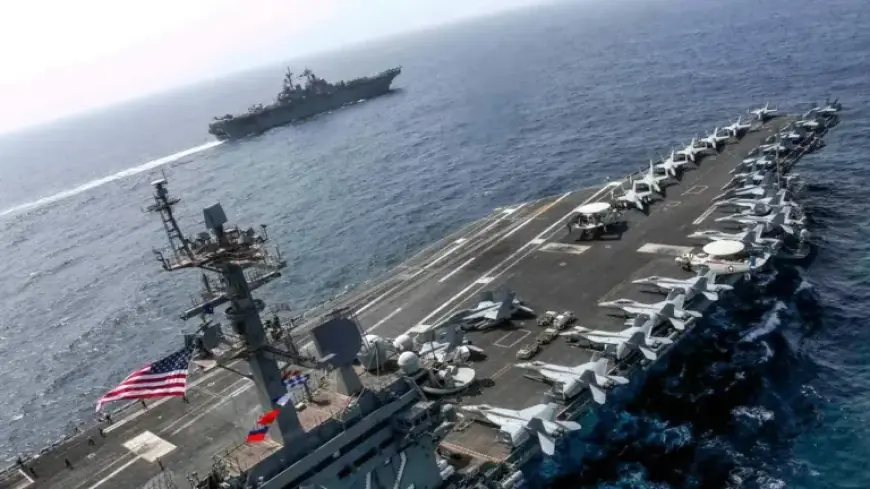
The United States has positioned a significant military presence in the Middle East, raising tensions with Iran. President Donald Trump faces critical decisions regarding the deployment of these forces. The administration is exploring various military strategies against Iran, focusing on its nuclear program, ballistic missile capabilities, and the stability of its government.
Military Options and Strategic Goals
Trump has requested rapid and impactful options for a potential military strike, aiming to avoid a prolonged conflict in the region. Administration officials are considering several approaches, including:
- A comprehensive bombing campaign targeting key Iranian facilities.
- Leveraging military threats for diplomatic negotiations.
- Specific strikes on symbolic targets that could escalate if Iran does not comply with U.S. demands.
Retired Vice Admiral Robert Murrett highlighted the variation in required force packages depending on the chosen strategy.
Recent Developments
On a recent occasion, Trump stated that military assets had been deployed close to Iran. His remarks suggested a readiness to act if necessary. Iranian Foreign Minister Abbas Araghchi responded by asserting Iran’s willingness to engage in nuclear talks if military threats ceased.
Trump’s military engagement spans various nations, including Yemen, Venezuela, and Syria, often executed without public addresses or formal Congressional approval. His administration continues to strategize for possible strikes against Iran’s nuclear infrastructure, which have included sophisticated air attacks in the past.
Challenges of Military Action
Experts caution against the assumption that a swift military strike would yield favorable outcomes. Danny Citrinowicz from the Institute for National Security Studies noted the complexity of engaging with a resilient Iranian regime. The dynamics may significantly differ should Iranian leadership change, as uncertainties abound regarding the nature of any successor government.
Current military strategies aim to maintain pressure on Tehran, encouraging talks about its nuclear program and missile capabilities. However, officials acknowledge that the threat of a military attack may lack the effectiveness desired without a clear and attainable plan.
Conclusion
As military assets gather near Iran, President Trump’s decisions will significantly impact U.S. foreign policy in the region. With multiple options on the table, outcomes could range from diplomatic negotiations to potential military confrontation.