























Ray J Health Scare Puts Heart Failure Fears in the Spotlight After “Black Heart” Claim and Months-to-Live Warning

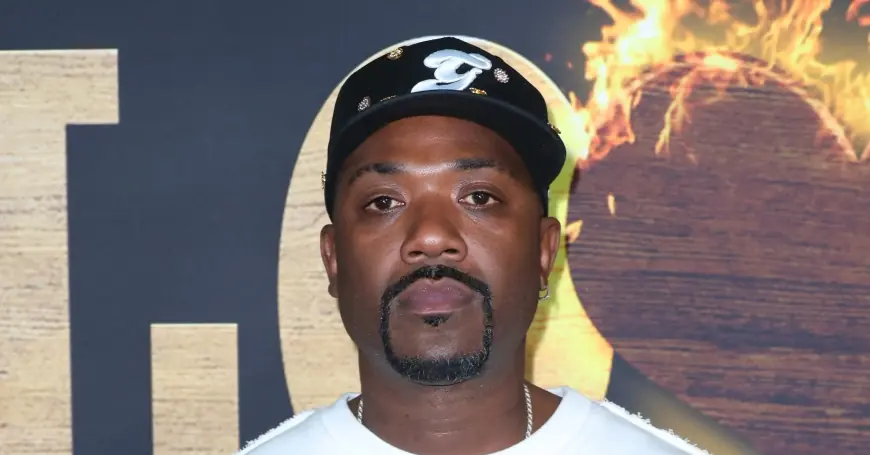
Ray J says he’s dealing with a serious health crisis after a recent hospitalization in Las Vegas, telling followers that his heart is functioning at “25%” and that doctors warned his outlook could be measured in months. The entertainer’s updates, shared in recent days, have ricocheted across social media and search trends, with “Ray J heart failure” and “Ray J health” spiking as fans try to separate verified medical facts from emotionally charged livestream language.
The phrase “black heart,” which Ray J used while describing damage he believes was caused by years of heavy substance use, has added confusion. It’s not a standard medical term, and clinicians typically describe heart damage in more specific ways—such as weakened pumping function—rather than color-based labels.
What happened with Ray J health, and what he’s said so far
In early January 2026 ET, Ray J said he was hospitalized with severe pneumonia and heart pain, later posting that he “almost died” and that his heart function was dangerously reduced. He has also said he’s now taking eight medications and has been instructed to radically change his routine, including strict limits on alcohol and smoking.
In separate livestream moments, he described being told he may not live into 2027—statements that have not been independently verified through medical records, but that are consistent with the kind of blunt warning doctors sometimes give when a patient’s heart function is severely impaired and risk factors remain high.
Ray J has also referenced possible next steps including devices like a pacemaker or defibrillator, suggesting physicians are treating his condition as high-risk and potentially unstable.
Behind the headline: incentives, stakeholders, and why this story spreads fast
Celebrity health scares travel faster than most news because they combine three powerful forces:
First, incentives: public vulnerability can be a form of accountability, but it can also be a survival strategy in the attention economy. When a public figure shares frightening health details, the story becomes emotionally “sticky,” and audiences reward updates with engagement—sometimes pushing the person to share more than is medically wise or emotionally settled.
Second, stakeholders: Ray J’s family, friends, medical team, business partners, and fans all have different priorities. Loved ones want stability and privacy. Doctors want compliance and reduced risk. Partners and projects want continuity. Fans want reassurance. Those interests don’t always align, especially when the primary communication channel is livestream video.
Third, the missing-middle problem: between “I’m fine” and “I’m dying” sits the day-to-day grind of recovery—medication adherence, sleep, follow-up imaging, lifestyle changes, and mental health. That middle is rarely dramatic, but it’s where outcomes are shaped.
What we still don’t know about Ray J heart failure concerns
Several critical details remain unclear or unconfirmed:
-
The exact diagnosis (for example, whether the issue is primarily cardiomyopathy, ischemic disease, or complications secondary to infection)
-
What “25%” refers to in clinical terms and how it was measured
-
Whether the pneumonia triggered the cardiac decline, revealed it, or worsened an existing condition
-
Whether the most alarming “months to live” framing reflects a worst-case warning, a miscommunication, or a shifting assessment over time
This uncertainty matters because public statements can be true in spirit—“I’m at risk”—while still being incomplete in medical precision. That gap fuels confusion, speculation, and misinformation.
Second-order effects: why the “black heart” phrase is a public health hazard
When a dramatic label like “black heart” trends, it can distort how audiences understand heart disease. People may downplay their own symptoms (“I’m not that bad”), or catastrophize (“I’m doomed”), instead of seeking timely evaluation and following a plan. It also risks reinforcing stigma around substance use and recovery—making it harder for others to talk openly about health consequences without fear of ridicule.
For readers searching “me” alongside “Ray J health,” the most responsible takeaway is not to self-diagnose from a celebrity’s phrasing. If you have symptoms like chest pain, severe shortness of breath, fainting, or sudden swelling, treat it as urgent and seek immediate medical care.
What happens next: realistic scenarios and triggers to watch
-
Stabilization with strict adherence
Trigger: consistent medication use, follow-up monitoring, and sustained avoidance of major risk behaviors. -
Escalation to device-based management
Trigger: ongoing low heart function or dangerous rhythm risk leading to a pacemaker/defibrillator decision. -
Public narrative shifts toward recovery
Trigger: clinically improved measurements paired with calmer, less alarming updates. -
Stop-start progress with setbacks
Trigger: incomplete lifestyle changes, missed follow-ups, or recurring respiratory infections. -
Privacy pivot
Trigger: family or medical advice encouraging fewer livestream updates while care becomes more structured.
The practical impact is bigger than one celebrity: stories like this can push people to take symptoms seriously, but only if the message evolves from shock to clarity—what happened, what changed, and what concrete steps reduce risk.