





















Alex Pretti shooting: DOJ opens civil rights probe in Minneapolis death

The Justice Department on Friday opened a federal civil rights investigation into the killing of Alex Pretti, escalating scrutiny of a fatal encounter between federal immigration officers and a Minneapolis man during a month of tense enforcement activity in Minnesota. The move shifts the center of gravity from an internal Homeland Security review to an FBI-led inquiry, raising the stakes for how the government explains the use of force captured on widely circulated video.
The alex pretti shooting has become a flashpoint in a broader political and community backlash after two U.S. citizens died in separate January encounters involving federal immigration personnel, prompting protests, calls for accountability, and operational changes by the administration.
Why DOJ stepped in now
Deputy Attorney General Todd Blanche said the FBI will lead the investigation, with support from Justice Department civil rights lawyers, while the Department of Homeland Security continues its own internal review of officer conduct and policy compliance.
The announcement came after video surfaced that appeared to conflict with early public descriptions of the incident and intensified questions over whether lethal force was justified at the moment shots were fired.
Key takeaways
-
The FBI is now the lead investigative agency in the federal review of Pretti’s death.
-
The case is being examined as a potential civil rights matter, a higher-profile posture than a routine internal use-of-force review.
-
Video evidence has sharpened the dispute over whether Pretti posed an immediate threat when he was shot.
What happened in the alex pretti shooting
Pretti, 37, was fatally shot on Saturday, Jan. 24, 2026, near Nicollet Avenue in Minneapolis. The shooting occurred around 10:00 a.m. ET (local time reported as 9:00 a.m. CST). Federal authorities have said officers were conducting immigration enforcement operations in the area when the confrontation unfolded.
Customs and Border Protection has publicly acknowledged that two federal officers were involved in the incident. Pretti’s death quickly drew crowds to vigils and protests, with community leaders demanding independent oversight and transparency around body-worn camera footage, dispatch audio, and the chain of command for the operation underway in the neighborhood.
Video timeline and disputed details
Footage circulating online shows Pretti in the moments before the shooting holding what looks like a cellphone as officers converge. In some clips, he is tackled to the ground; in others, an officer appears to retrieve a firearm from his body area before shots are fired.
Those images have fueled a central question: when officers recognized a weapon and whether Pretti reached for it, threatened officers with it, or otherwise created an imminent danger that would justify deadly force. Separate reporting has indicated Pretti legally possessed a firearm permit, adding another layer to the debate over handling of armed civilians during enforcement actions.
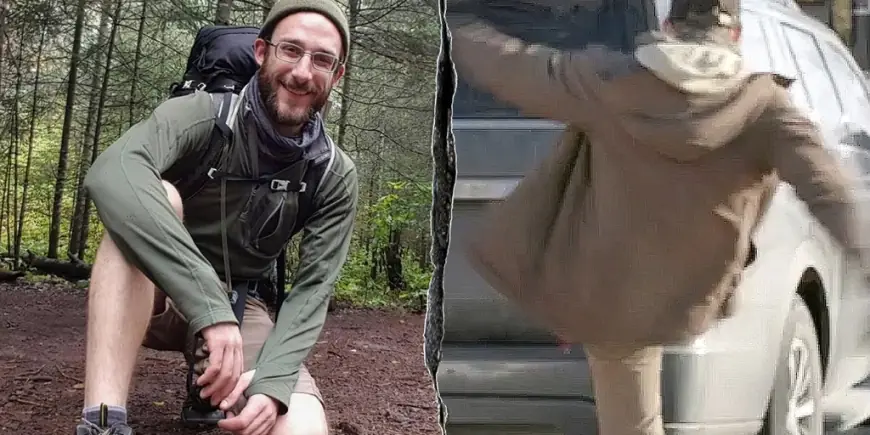
A second set of videos from Jan. 13, 2026—11 days before the fatal encounter—shows Pretti in an earlier clash with federal agents, including damage to a government vehicle and a physical struggle. Pretti’s family has said the prior incident does not explain or justify the lethal outcome on Jan. 24, and they have pressed investigators to focus on the final moments rather than earlier confrontations.
Minnesota response and protests
Local and state officials in Minnesota have voiced distrust in a process dominated by federal agencies investigating federal personnel, and they have pursued parallel fact-finding efforts. The shooting added fuel to protests already inflamed by an earlier fatal incident this month involving an Immigration and Customs Enforcement officer and another Minneapolis resident.
Demonstrations have included large marches in freezing weather, with organizers demanding an end to the current enforcement surge and calling for clearer rules of engagement, especially in residential areas where bystanders can be swept into fast-moving confrontations.
The unrest spilled into the civic and cultural sphere as well. Minnesota’s NBA franchise, the Timberwolves, issued a public message urging unity and compassion after the two deaths, and a game against the Golden State Warriors was postponed amid heightened tensions.
What comes next for the case
A civil rights investigation does not automatically mean criminal charges, but it opens a pathway for prosecutors to examine whether officers willfully violated constitutional protections. That standard is typically demanding, and outcomes can range from no charges, to disciplinary actions, to reforms in policy and training, to criminal prosecution if investigators develop evidence meeting the legal threshold.
In the near term, the most consequential developments will likely be procedural:
-
whether the FBI secures and releases additional video from body cameras or nearby surveillance,
-
whether investigators publish a detailed timeline reconciling witness statements with available footage,
-
whether the administration makes further operational changes in Minnesota as protests continue.
For Minneapolis, the next phase may hinge on transparency: what officials show the public, how quickly they do it, and whether the evidence answers the narrow but decisive question that now defines the case—what threat, if any, officers reasonably perceived at the instant they pulled the trigger.
Sources consulted: U.S. Department of Justice, FBI, Associated Press, Reuters, The Washington Post, CBS News.