Is the government shutting down again as DHS funding lapses in Congress

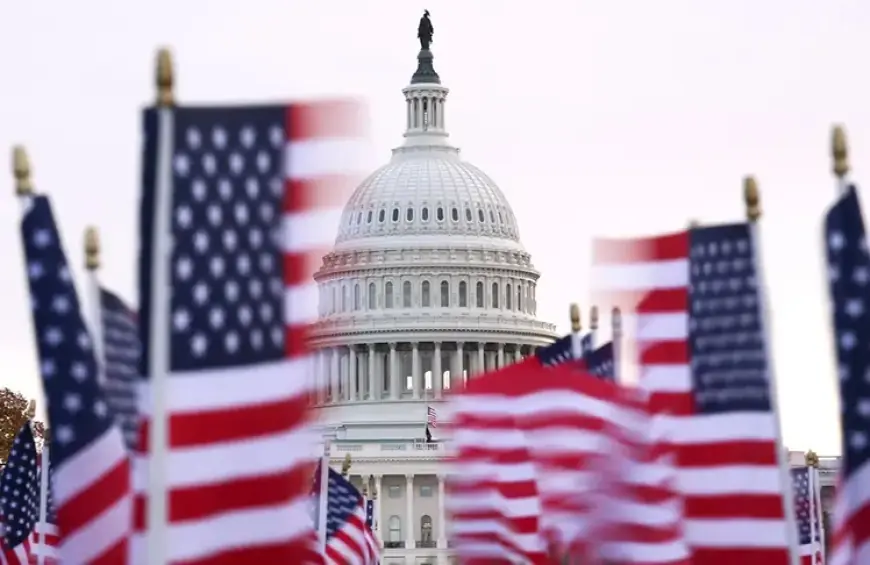
A partial U.S. government shutdown began at 12:01 a.m. ET on Saturday, Jan. 31, 2026, after lawmakers missed a funding deadline even as the Senate advanced a stopgap plan. The immediate disruption may be limited if the House moves quickly when it returns on Monday, Feb. 2, but the lapse has already triggered shutdown procedures across affected agencies.
For federal workers and contractors, the practical question — “is the government shutting down again” — now hinges on how fast the House can clear the Senate-approved package and send it to President Donald Trump for signature.
What actually shut down overnight
The lapse is partial, not a total closure of the federal government. Funding authority expired for a set of departments that had been operating under a temporary measure that ran out late Friday night.
At the same time, some agencies are not part of this lapse because Congress has already enacted full-year funding for them. Several major functions therefore continue under existing appropriations, while the affected departments begin executing contingency plans.
Key takeaways
-
The funding lapse started 12:01 a.m. ET Saturday, with agencies initiating shutdown procedures.
-
The Senate passed a broader funding package late Friday, but House action is needed to reopen affected agencies.
-
The main political bottleneck is Department of Homeland Security funding, tied to demands for immigration-enforcement reforms.
is the government shutting down again
Yes — in the sense that funding has lapsed and a partial shutdown is underway. But this episode is structured to be short if the House passes the Senate package promptly.
The Senate’s late-Friday vote approved legislation designed to fund large parts of the government through the end of the fiscal year while creating a two-week window to keep negotiating long-term funding terms for the Department of Homeland Security (DHS). The problem: the House had not cleared the measure before the deadline, so affected departments moved into shutdown posture.
In practical terms, many Americans may not notice immediate changes over the weekend. The first business-day effects become clearer on Monday, when agencies decide who is furloughed, who must report for orderly shutdown activities, and what services pause.
Why DHS is at the center
DHS became the sticking point after a political standoff over restrictions and oversight for immigration enforcement. Democrats pushed for changes tied to recent incidents involving federal agents, seeking guardrails such as accountability measures and limits on certain enforcement practices.
The Senate’s compromise approach split the difference: fund broad swaths of government now, and extend DHS briefly to buy time for negotiations on reforms. That structure reduced the risk of a prolonged, full shutdown — but it also made the House vote the critical last step before the deadline hit.
What services and workers should expect
Agencies affected by the lapse are expected to follow their shutdown plans, which typically divide staff into:
-
“Excepted” personnel who continue working because their duties protect life/property or are otherwise legally required.
-
Non-excepted personnel who are furloughed (or directed to perform limited shutdown tasks first).
Even when services continue, a shutdown posture can still create delays: procurement slows, grant processing can pause, and non-essential public-facing services may scale back depending on each agency’s contingency plan. Contractors can also be affected quickly if work orders stop or funding is uncertain.
A key practical point for workers: the government often requires employees to report on the next scheduled workday to carry out orderly shutdown steps, even when a lapse begins over a weekend.
The path to reopening and what’s next
The clearest near-term milestone is Monday, Feb. 2, when the House is expected to reconvene. If the House passes the Senate package quickly and the president signs it, the lapse could end as a short disruption — the kind of “weekend shutdown” that changes process more than day-to-day life.
The larger question is whether negotiators can resolve DHS policy demands inside the two-week extension window contemplated by the Senate plan. If talks stall and another deadline arrives without agreement, DHS could face renewed pressure — and Washington could repeat the cycle.
For now, the situation is best understood as a real but potentially brief partial shutdown driven by unresolved DHS terms, with the duration largely dependent on House timing and the pace of bipartisan negotiations.
Sources consulted: U.S. Office of Management and Budget; Congress.gov; CBS News; Government Executive; The Guardian; Axios