

























Amazon Fresh’s Decline: Employees Describe Empty Stores and Odd Store Layouts

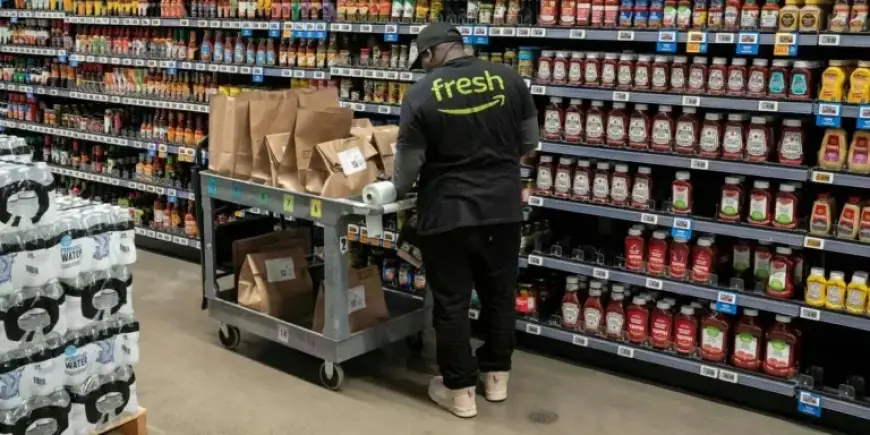
Amazon Fresh, launched in 2020 as a part of Amazon’s expansion into the grocery sector, has faced significant challenges. Following the acquisition of Whole Foods in 2017, expectations were high that Fresh would integrate some of the premium offerings associated with the Whole Foods brand. However, recent reports from employees reveal that this has not been the case, leading to a decline in store popularity and a recent decision to close all 60 Fresh locations in the United States.
Key Issues Behind the Decline of Amazon Fresh
Employees have shared that many customers entered Amazon Fresh looking for specific products from Whole Foods, such as organic yogurt or premium meats. Despite some overlap with Whole Foods 365 products, the Fresh stores aimed to provide a more affordable grocery experience. However, this strategy failed to resonate as intended.
The Closing Statement
On a recent Tuesday, Amazon announced the closure of its Fresh stores, marking a significant shift in its grocery strategy. The company plans to focus on expanding Whole Foods and enhancing grocery delivery services to compete against major players like Walmart, which currently dominates approximately 21% of the U.S. grocery market. Both Amazon and Whole Foods hold roughly 1.6% of the market share.
Customer Experience and Store Layout Challenges
Amazon Fresh outlets aimed to leverage technology, featuring innovations like Just Walk Out checkout systems and smart shopping carts. Unfortunately, many customers opted for traditional checkout methods, demonstrating a lack of interest in these technological advancements. Additionally, employee insights revealed issues with product selection; items that did not attract significant customer interest often saturated the shelves.
- Products like hair dye accumulated unsold inventory.
- Many stores resorted to discarding ready-to-eat food items.
Phil Lempert, a food industry analyst, pointed out that the lack of a unique customer experience contributed to the struggles of Amazon Fresh. Unlike established grocery chains that focus on specific offerings, Fresh stores presented a confusing mix of products, which did not effectively encourage repeat visits.
Promotional Efforts and Customer Engagement
To attract shoppers, Amazon Fresh implemented various promotions, with mixed success. Events including free massage chairs and carnival games aimed to increase store traffic. However, some offers, like discounts for returning Amazon orders, were abused, leading to a further drain on the store’s resources.
Transition Toward Whole Foods
As Amazon shifts its focus exclusively to Whole Foods, it emphasizes a more streamlined and curated shopping experience. Recent expansions in select Whole Foods locations now include a wider range of everyday staples, targeting mainstream grocery shoppers.
Insights from Employees
Employees have indicated that the integration of Whole Foods into Amazon’s broader operations has been complex. Difficulties arose from changes in how the app functioned and how Amazon advertised Prime memberships within Whole Foods stores. Moreover, the push for greater synchronization between the two grocery formats has led to internal strains.
In an effort to unify operations, Whole Foods CEO Jason Buechel was placed in charge of Fresh grocery strategies. He has been working under the “One Grocery” initiative to streamline operations and integrate staff between the two brands.
The closure of Amazon Fresh locations marks a substantial realignment within the company as it seeks to fortify its position in the grocery market. With its focus shifting toward Whole Foods, Amazon aims to appeal to a more defined customer base, prioritizing quality and identity over the eclectic offerings of Fresh.