























“Hollywood’s Deep Whitewashing: Latinos Contemplate the Future Beyond Odessa A’zion”

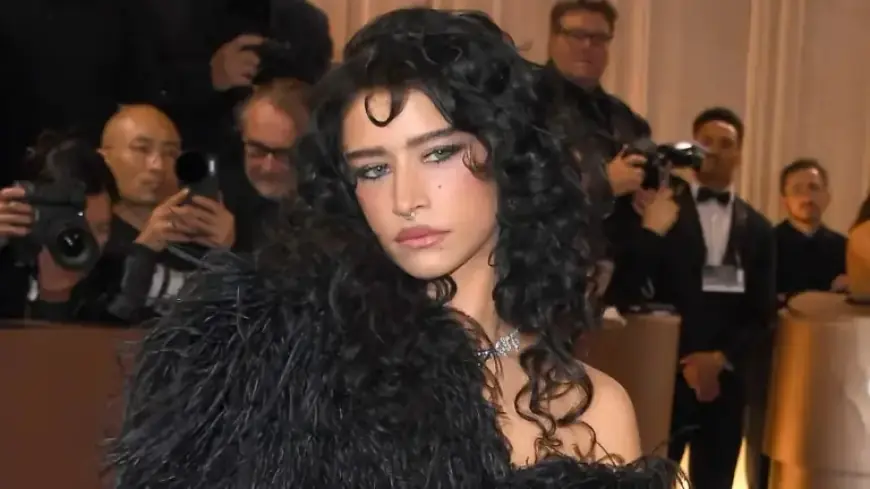
The casting of Odessa A’zion in Sean Durkin’s forthcoming film “Deep Cuts” has triggered significant dialogue among Latino creatives regarding Hollywood’s persistent issue of representation. This controversy sheds light on the ongoing challenge of whitewashing in the entertainment industry, where Latino roles are scarce and authentic representation is often overlooked.
Historical Context of Whitewashing in Hollywood
White actors have historically played Latino characters, dating back to Warner Baxter’s Oscar-winning performance in “The Cisco Kid” (1929). This trend continued with performances by William Hurt in “Kiss of the Spider Woman” (1986) and Ben Affleck in “Argo” (2013). Talent manager Brandon Guzman emphasized that this practice remains prevalent today, stating that many Latino actors are overlooked for roles due to perceived lack of marketable names.
The Impact of A’zion’s Casting
A’zion was set to portray Zoe Gutierrez, a character originally depicted as half-Jewish and half-Mexican in the source material. Her casting prompted an open letter signed by over 145 Latino creatives. While acknowledging A’zion’s decision to withdraw from the film, the letter highlighted a broader issue of systemic underrepresentation.
- Latinos represent only 6% of on-screen talent on broadcast television.
- Despite making up 20% of the U.S. population, their visibility in media does not reflect this demographic.
The Role of Decision-Makers
Researcher Soraya Giaccardi Vargas noted that one reason for this discrepancy is the absence of Latino voices in decision-making positions within studios. She argued that while some casting decisions may not require individuals to match the character’s ethnic background, key roles that shape narratives necessitate authentic representation. Vargas stated, “When a character’s identity shapes the narrative, that specificity becomes essential.”
Calls for Systemic Change
The open letter insists on comprehensive solutions beyond individual accountability. It stresses the need for studios to employ Latino talent across various roles, particularly in leading non-stereotypical positions. Karrie Martin Lachney, who has turned down roles that did not resonate with her background, commented on the wealth of Latino actors who can provide authentic narratives.
- Latino talents should be given opportunities to shape their narratives authentically.
- Mentorship opportunities should be created to expand the Latino presence in entertainment.
Conclusion: A Call to Action
The Latino creative community is calling on Hollywood to not only cast Latino actors but to trust them to lead projects and shape their own narratives. As the industry continues to evolve, the representation of Latinos in film and television remains an urgent conversation, one that challenges the status quo in favor of a more accurate reflection of society.