























Elon Musk, TSLA and xAI collide in a week of bets and lawsuits

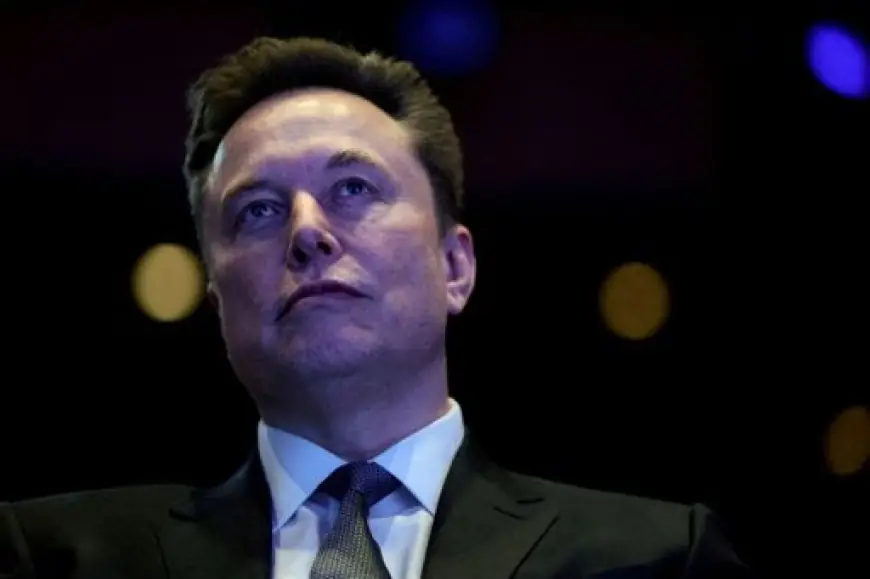
Elon Musk’s business universe tightened in late January as TSLA digested fresh results, xAI closed a massive funding round and reports swirled about potential consolidation across his companies—all while a federal judge signaled skepticism toward one of xAI’s headline legal fights. The common thread is capital allocation: where Musk-controlled entities put money, how they justify it, and what governance scrutiny follows.
As of 8:15 p.m. ET Friday (Jan. 30, 2026), Tesla shares were $430.41, up about 3.3% from the prior close in the latest available print.
| Snapshot | Latest detail (ET) |
|---|---|
| TSLA last price | $430.41 (as of 8:15 p.m. ET, Jan. 30) |
| Tesla 2025 revenue | ~$94.83B, down about 3% year over year |
| Tesla Q4 2025 EPS | $0.50 (reported Jan. 28) |
| Tesla investment in xAI | ~$2B preferred stock (disclosed Jan. 28) |
| xAI Series E | $20B raised (announced Jan. 6) |
| xAI vs OpenAI case | Judge flagged likely dismissal; hearing Feb. 3 |
Elon Musk tightens the knot
This week’s storyline isn’t just that Musk has multiple big companies—it’s that the lines between them keep getting thinner. Reports of merger or tie-up discussions involving SpaceX, Tesla and xAI landed alongside a fresh example of intercompany finance: Tesla disclosing a multibillion-dollar investment into xAI.
That’s a powerful narrative for investors who want a “one-stop” bet on Musk’s vision of AI, robotics, energy and aerospace. It’s also the sort of structure that raises predictable questions about valuation, conflicts, and who benefits most when money moves between entities with different shareholder bases and governance rules.
TSLA digests earnings and an AI pivot
Tesla’s latest earnings package reinforced two competing realities. The company remains enormous, but its core auto business is under pressure—Tesla reported its first annual revenue decline, with 2025 revenue around $94.83 billion, and profitability metrics that have softened versus prior years.
Management messaging leaned hard into a pivot away from being judged primarily as a car company. On the earnings call, Musk said Tesla would stop selling Model S and Model X, positioning it as a capacity and focus shift toward robotics. The market reaction has been choppy: investors are weighing near-term auto margins and demand against longer-term bets like autonomous driving and humanoid robotics.
The near-term watch item for TSLA is whether operating results stabilize enough to fund ambitious AI and robotics plans without leaning on financial engineering—or without requiring additional, potentially dilutive capital moves down the line.
Tesla’s $2 billion bet on xAI
Tesla disclosed that it agreed earlier in January to invest about $2 billion in preferred stock of xAI—an unusually direct bridge between a public company and a Musk-controlled private AI venture.
Strategically, the logic is straightforward: if Tesla wants to be an AI/robotics company, then exposure to frontier model development and training infrastructure could be framed as mission-critical. Financially and legally, it’s more complicated. Investors will want clarity on terms, valuation, and why Tesla’s balance sheet is the right vehicle for this exposure rather than a standalone fundraise or a commercial partnership.
The biggest practical question is what Tesla gets beyond financial upside: priority access to models, compute, tooling for autonomy/robotics, or simply a seat at the table as xAI scales.
xAI’s funding surge meets legal headwinds
xAI’s $20 billion Series E—announced Jan. 6, 2026—is one of the largest AI rounds on record, aimed at accelerating model development and expanding infrastructure. The round drew a mix of institutional and sovereign-linked capital, reflecting a market that is still willing to fund scale, not just research.
But the same month also brought courtroom friction. On Jan. 31, a U.S. judge signaled she may dismiss xAI’s lawsuit alleging trade-secret misuse tied to hiring away staff, calling the claims insufficiently supported. A hearing is set for Tuesday, Feb. 3 (ET), and the judge left room for xAI to revise its complaint.
In the near term, a dismissal wouldn’t stop xAI from building models or buying compute, but it would undercut a public narrative of competitive harm—especially at a time when xAI is asking the market to believe it can keep pace with the best-capitalized AI labs.
Mega-merger chatter and what to watch
The consolidation talk is still just that—talk—but it matters because even the possibility changes how investors and counterparties interpret everything from contracts to capex. If a Musk “roll-up” is being explored, the key signals won’t be viral speculation; they’ll be concrete steps: board actions, formal filings, financing structures, and (for Tesla) shareholder and regulatory considerations.
Three indicators to track in coming weeks:
-
Corporate paper trails: new entities, disclosures, or governance changes that point to real deal prep.
-
Commercial linkage: explicit product or compute agreements between Tesla and xAI that show operating integration, not just ownership.
-
Regulatory posture: any pushback tied to conflicts, disclosure sufficiency, or investor protections when public-company capital is used to fund private affiliates.
For now, the Musk ecosystem is moving in a familiar pattern: big capital raises, aggressive integration narratives, and legal battles running in parallel. The next hard data points arrive fast—beginning with the Feb. 3 hearing and whatever Tesla discloses next about how, exactly, TSLA shareholders benefit from the growing xAI stake.
Sources consulted: Reuters, Bloomberg, xAI, TechCrunch, Yahoo Finance