
























TV Industry Admits 8K May Not Define the Future

The pursuit of 8K technology in the television industry has seen significant fluctuations over the past decade. Initially, from as early as 2012, companies like Sharp aimed to create a market for 8K displays. By 2015, Japan saw the first 8K TVs selling for approximately 16 million yen, which equated to around $133,034. Samsung followed in 2018 with affordable options for the US market, starting at $3,500.
Evolution of 8K Technology
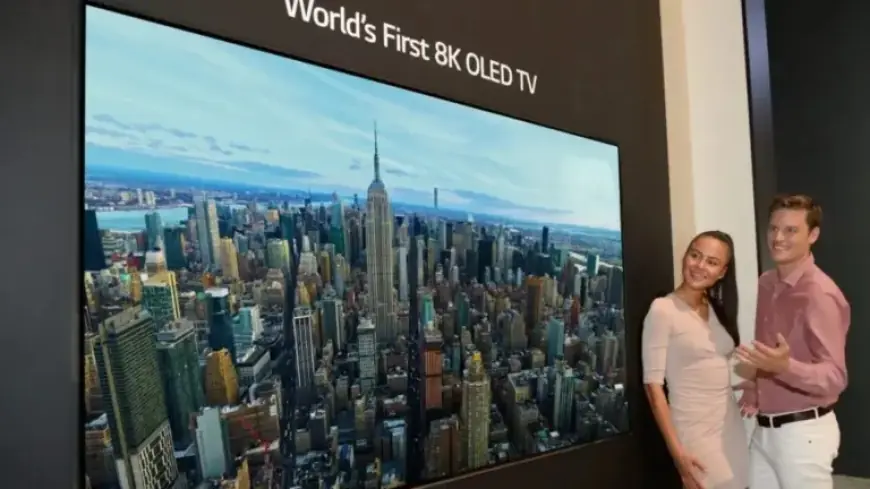
In 2016, the Video Electronics Standards Association established specifications for supporting 8K through DisplayPort 1.4. Additionally, the HDMI Forum introduced HDMI 2.1 to support higher resolutions. The advancement continued, with Dell launching an 8K computer monitor in 2017. 2019 marked a significant milestone with LG introducing the first 8K OLED TV, reinforcing claims of 8K being the future of television.
The Decline of 8K
Despite the hype, 8K technology has failed to establish itself as a necessity for consumers. This is evident as several prominent companies are retreating from the 8K market. Recently, LG Display announced it would cease production of 8K LCD and OLED panels. A representative indicated that the company is reviewing current market trends and consumer demands for 8K content.
- LG Electronics previously led the market with its 8K OLED TVs, starting with the Z9 model in 2019.
- In 2022, LG reduced the price of its 8K OLED offerings significantly, with a 76.7-inch TV priced at $13,000.
- Recent reports suggest that LG will no longer replenish stocks of the QNED99T, its last LCD 8K TV.
Other brands have similarly distanced themselves from 8K technology. TCL, which launched its last 8K TV in 2021, cited low demand as the reason for not developing additional models. Sony also discontinued its final 8K TVs in April 2023 and is unlikely to resume production as it plans to divest the majority of its Bravia TV division to TCL.
The Future of Television Technology
The shift away from 8K raises questions about what will define the future of television displays. Major manufacturers are now reevaluating their strategies in response to consumer interest. As the industry moves forward, it remains to be seen whether 8K will have a meaningful place in the television landscape.
The TV industry’s admission that 8K may not define the future reflects a broader trend in consumer electronics, where practicality often trumps marketing hype. Companies must adapt to these evolving preferences to stay relevant in a competitive market.