
























Rapid Dissolution of La Niña Signals Global Weather Pattern Shift

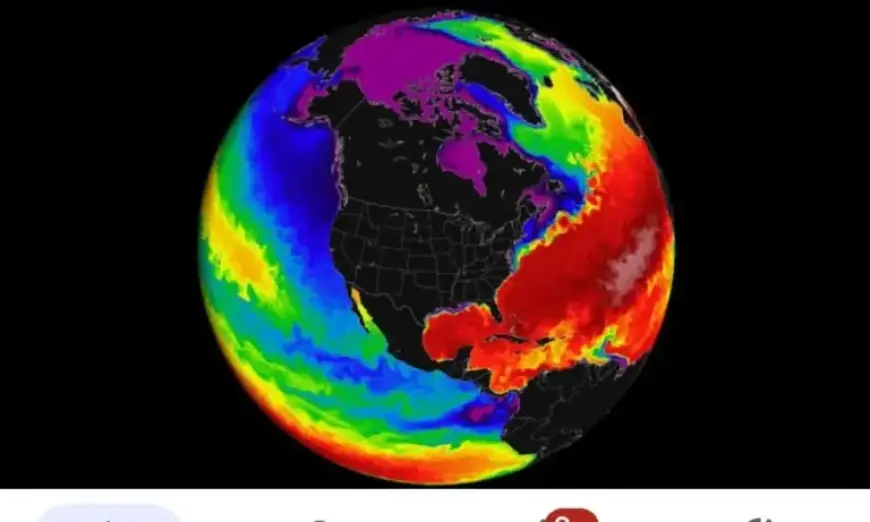
La Niña, characterized by cooler sea surface temperatures in the central and eastern equatorial Pacific, is part of the El Niño–Southern Oscillation (ENSO) cycle. This cycle affects global weather patterns by altering atmospheric circulation and precipitation. Currently, the La Niña event, which has influenced weather worldwide, is dissolving faster than anticipated. This transition has significant implications for global climate conditions.
Rapid Dissolution of La Niña Conditions
Recent analyses indicate that the La Niña phase is weakening, particularly in the Niño regions of the tropical Pacific. The cooler ocean temperature anomalies typical of La Niña are disappearing, confirmed by ocean temperature data and atmospheric changes. Strong westerly winds in the Pacific are mixing warmer water from below, significantly impacting the signature “cold pool” associated with La Niña.
Weather Forecasts and Seasonal Outlooks
The decline of La Niña is expected to influence seasonal weather forecasts globally. Models suggest that this cooling influence will continue to mitigate through early spring, with conditions likely shifting to “ENSO-neutral.” This phase leads to typical weather patterns less affected by extreme events from La Niña or El Niño.
- ENSO-neutral conditions align weather behavior with long-term averages.
- El Niño conditions could emerge later in 2026, potentially altering global rainfall and temperature patterns.
Regional Effects and Monitoring
Even as La Niña weakens, its residual effects will be noticeable in seasonal weather across North America, Asia, and the Pacific. Climate agencies, including the World Meteorological Organization and the United States Climate Prediction Center, are closely monitoring ocean and atmospheric data. These forecasts are crucial for sectors sensitive to climate variations, including agriculture and disaster preparedness.
Global Climate Context
The shift from La Niña to neutral conditions occurs amid ongoing global warming due to rising greenhouse gas emissions. Historical temperature records indicate that recent years have remained warm, even with La Niña’s cooling effects. Understanding the interplay between natural climate variability and human-induced changes is vital for assessing weather patterns.
Scientific Monitoring and Forecasting Tools
Monitoring La Niña and its transition involves tracking several climate indicators, including sea surface temperatures and atmospheric pressures. Satellite data, ocean buoys, and climate models play a critical role in assessing future conditions. As cooler surface waters diminish, sea levels may align more closely with long-term warming trends.
Looking Ahead to 2026
As the ENSO cycle approaches neutral conditions, global regions can expect shifts in typical weather patterns. This transition is crucial for industries like agriculture and energy, impacting rainfall and temperature. If El Niño emerges later in 2026, it may produce effects opposite to La Niña, including increased temperatures and changes in storm patterns.
Implications for Policy and Planning
ENSO forecasts are integral to climate-related planning strategies. They guide decisions in water management, agricultural practices, and disaster response. Accurate ENSO predictions inform public advisories and enhance community preparedness for weather events tied to these natural climate cycles.