
























Zverev Criticizes Alcaraz Timeout Following Epic Australian Open Semi Loss

In a gripping five-set contest at the Australian Open, Carlos Alcaraz triumphed over Alexander Zverev in the tournament’s longest semifinal. The match lasted an intense five hours and 27 minutes, with Alcaraz edging Zverev with a final score of 6-4, 7-6(5), 6-7(3), 6-7(4), 7-5. Following the match, Zverev expressed discontent regarding the officiating, particularly concerning Alcaraz’s medical timeout.
Zverev Criticizes Alcaraz’s Medical Timeout
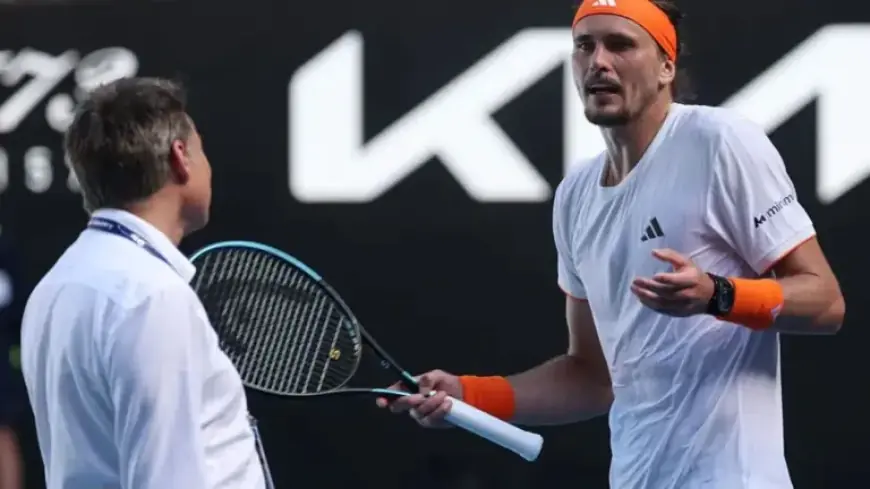
During a critical phase of the match, Alcaraz appeared to struggle with a leg injury at 4-4 in the third set. He received treatment on his right thigh, prompting Zverev to criticize the decision. The German player argued that Alcaraz’s issue was due to cramping, which typically does not warrant a medical timeout.
Post-Match Reactions
- Zverev: “He was cramping, so normally you can’t take a medical timeout for cramping.”
- Zverev confronted a match supervisor during the treatment, stating his frustrations in German.
- Alcaraz admitted to feeling fatigued but downplayed the injury worry, saying, “my body could be better.”
After receiving treatment, Alcaraz returned to the court revitalized and managed to shift the momentum back in his favor, securing the victory. Despite this setback, Zverev reflected positively on his performance, admitting the match tested them both physically.
Looking Ahead
Zverev, who was the runner-up in the previous year’s tournament to Jannik Sinner, remains in pursuit of his first Grand Slam title. After the match, he expressed his belief that with continued dedication and training, he could achieve success this year.
In conclusion, Alcaraz’s semifinal victory highlights both the physical toll of the match and the ongoing contentious discussions surrounding medical regulations in tennis. As the Australian Open progresses, all eyes will be on how these athletes navigate both their performances and the pressures of officiating decisions.