Epstein files released: DOJ publishes millions more pages, reigniting Trump-era transparency fight

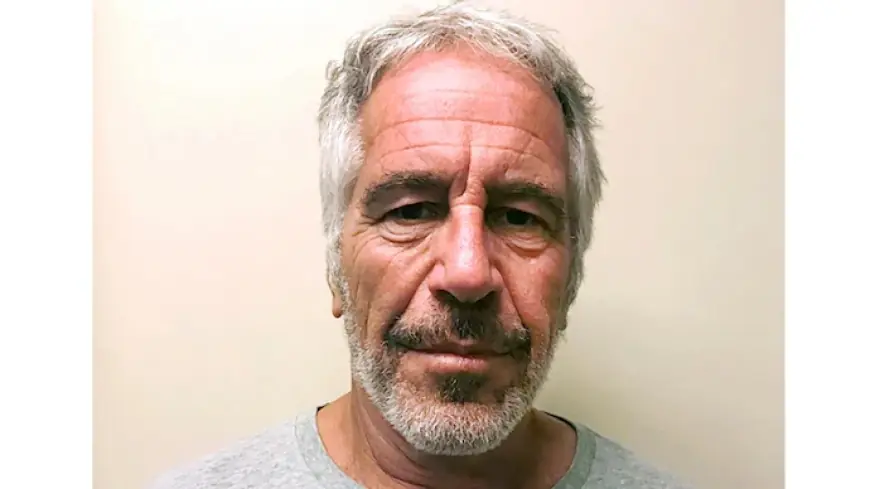
A fresh tranche of epstein files hit the public domain on Friday, Jan. 30, 2026, after the U.S. Department of Justice moved to comply with a congressionally mandated disclosure law. The release—widely described online as new epstein files released—immediately reignited political arguments about what’s still missing, how heavy the redactions are, and whether the disclosures meaningfully answer long-running questions around epstein, powerful associates, and investigative decisions.
The event also pushed new search spikes around doj epstein files, trump epstein, and trump epstein files, as critics and supporters of the administration sparred over whether the government is being transparent or merely flooding the public with heavily censored material.
Epstein files released: what’s in the new dump
The Department’s Friday publication is massive in scale, pairing a multi-million–page document release with a large set of media files. Deputy Attorney General todd blanche said the review team collected materials broadly and withheld content only where legal and safety constraints required it—especially anything that could identify victims or include illegal imagery.
Here’s what the government is saying is included in the epstein files released on Jan. 30:
| Item | What was released (approx.) |
|---|---|
| Pages of records published Friday | 3.0+ million |
| Total pages released under the law | ~3.5 million |
| Videos included | 2,000+ |
| Images included | ~180,000 |
| Material withheld | victim IDs, medical info, illegal content, protected legal material, certain investigative items |
The Department framed the publication as a capstone step under the disclosure law passed in late 2025, while also warning that the most sensitive categories—especially victim-identifying details—will remain protected.
How the DOJ framed the release and redactions
Inside the doj and department of justice, the line has been consistent: the goal is maximum disclosure without re-victimizing survivors or jeopardizing remaining investigative work. Officials emphasized that the record set spans multiple phases of federal scrutiny—covering the Florida and New York matters, Ghislaine Maxwell’s prosecution, and investigations tied to Epstein’s 2019 jail death.
That posture has not quieted critics. Lawmakers who pushed for more sunlight argue that “released” does not always mean “readable,” pointing to large swaths of text that remain blacked out and to categories of documents they say are still not meaningfully accessible to the public. The Department counters that the law compels release of relevant material but does not override privacy protections, sealed-court rules, or prohibitions on distributing illegal content.
Trump, the Act, and the politics of transparency
The latest publication lands in a politically charged moment because the disclosure mandate was signed into law by President Trump, and the administration has faced months of criticism over delays and partial releases. That timing is why “trump epstein” and “trump epstein files” surged again on Friday: supporters cite the publication as proof of follow-through, while opponents argue the pace and the redaction level undermine the promise of transparency.
The administration has also faced persistent claims—some unverified, some rooted in past reporting—that political considerations might shape what gets emphasized or withheld. The Justice Department rejected that premise, maintaining that the disclosure is driven by statutory requirements and legal limitations rather than political protection for any figure named in the records.
Robin Leach mention fuels fresh online claims
One unexpected name resurfacing in the public conversation is robin leach, the late entertainment reporter and host associated with celebrity lifestyle coverage. His name appears in the newly searchable materials that are circulating online—one reason “robin leach” began trending in the same breath as the Friday dump.
It’s important to separate “named in a file” from “verified wrongdoing.” Large federal case archives often include tips, emails, address books, flight and contact references, and allegations that were never substantiated or charged. In the same way, individuals can be mentioned as witnesses, social contacts, or background figures without any allegation being tested in court. The new records have already sparked aggressive social-media narratives around that mention; many claims remain unclear at this time, and the documents themselves frequently do not provide enough context to confirm what a reference means.
What to watch next: Congress pressure and legal limits
The immediate next phase is less about uploading and more about oversight. Members of Congress are expected to push for clarity on what remains withheld and why, including whether some categories could be reviewed for fuller disclosure in controlled settings. The Department has signaled that legal constraints—privacy, sealed materials, grand jury limits, and victim protection—will continue to shape what can be made public.
For the public, the practical reality is that the “new epstein files” story is now an interpretation battle: activists, lawyers, journalists, and online communities will sift the disclosures for names, timelines, and contradictions, while officials argue that the most explosive “missing” items are either illegal to publish, protected, or not present in the way some narratives suggest.
Sources consulted: U.S. Department of Justice; Associated Press; Reuters; The Washington Post; TIME; The Guardian