
























Avoid Loneliness and Boredom in Early Retirement: Key Strategies

Early retirement can be a dream for many. However, it can also lead to unexpected challenges such as loneliness and boredom. The transition from a busy working life to a slower pace can be quite daunting, especially for those unprepared for the changes ahead.
A Case Study: Geoff Blore’s Experience
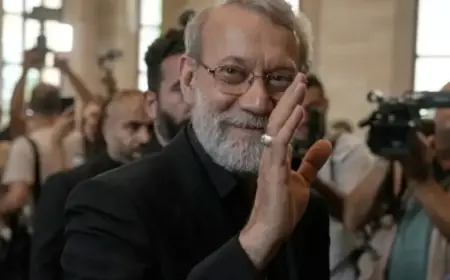
Geoff Blore, a former Qantas captain, experienced an abrupt shift in his life at 61 due to the COVID-19 pandemic. After a successful 36-year career, he faced sudden redundancy along with over 200 pilots. Blore thought early retirement might be enjoyable, envisioning traveling and spending time with family. Unfortunately, after retirement, he found himself isolated and bored, leading to significant frustration and a loss of identity.
The Challenge of Identity
Many individuals, like Blore, tie their identities to their professions. After leaving a satisfying job, they may struggle to adapt to their new reality. Nick Freedman, a leadership consultant and founder of Retire On Purpose, highlights that fewer than 10% of people consider life beyond finances when planning for retirement. The emotional and psychological adjustments can often be overlooked.
Statistics on Retirement
- 156,000 Australians aged 45 and over retired in 2024-2025, with an average retirement age of 63.8 years.
- Approximately 1.6 million individuals had already retired in the previous year.
- By 2035, 2.5 million more are projected to retire.
- Most Baby Boomers and Generation Xers plan to retire around 65.6 years of age.
Strategies to Avoid Loneliness and Boredom
To effectively transition into retirement, experts suggest several strategies that can help maintain a sense of purpose and community:
- Engage in voluntary work or join clubs like Probus or Rotary. This fosters new friendships and social interactions.
- Consider part-time work to gradually transition out of full-time employment.
- Pursue hobbies or passion projects to fill the time once dedicated to professional responsibilities.
- Communicate with partners about shared time and activities, ensuring both individuals take time for themselves as well.
Real-Life Examples
Anne Wrigley had an early retirement from the Department of Education. She initially found herself isolated since many of her peers were still working. To combat this, she joined social clubs and returned to work part-time.
Jo White, who retired early at 62, initially enjoyed her freedom but soon felt empty. She reconnected with her passion for cooking and volunteering, which helped her regain a sense of purpose.
Paving the Way for a Fulfilling Retirement
Planning for retirement involves more than financial preparation. Individuals need to contemplate how they will spend their time post-retirement. Embracing new activities, establishing social connections, and considering gradual transitions can significantly improve the retirement experience.
Ultimately, recognizing the potential for loneliness and boredom can lead to proactive strategies. Taking the time to plan can transform early retirement into an enjoyable and fulfilling stage of life.