

























Researchers Eradicate Pancreatic Cancer Tumors in Mice

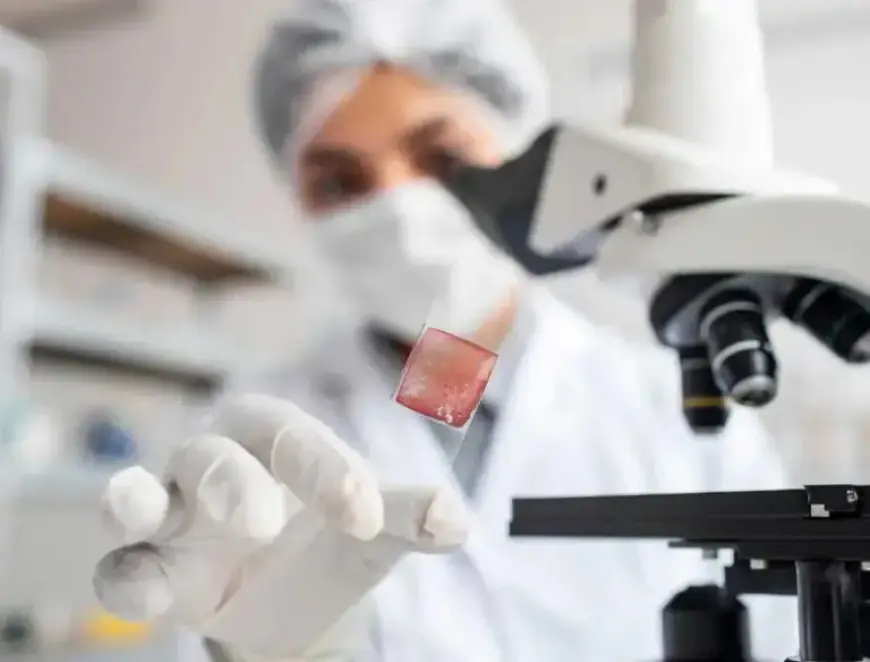
Recent advancements in cancer research have led to promising developments in the treatment of pancreatic cancer. The disease is notorious for its low survival rate, with less than 10% of patients surviving five years after diagnosis.
Breakthrough Study on Pancreatic Cancer
In late January, a study from the Spanish National Cancer Research Centre (CNIO) captured significant attention. Researchers, led by Dr. Mariano Barbacid, successfully eliminated pancreatic tumors in mice using an innovative three-drug combination therapy.
Understanding Pancreatic Cancer
Pancreatic cancer, particularly pancreatic ductal adenocarcinoma (PDAC), presents numerous challenges in treatment. This type of cancer is marked by:
- High resistance to standard chemotherapy
- Significant cellular heterogeneity, complicating targeted therapies
- A dense tumor microenvironment that hinders drug penetration
Symptoms tend to appear in advanced stages, hindering early diagnosis and treatment options.
The Innovative Three-Drug Therapy
The CNIO study employed a tri-therapy approach, utilizing three different targeted drugs. Each drug focuses on a specific pathway crucial for tumor growth:
- An inhibitor targeting the frequently mutated KRAS protein
- A tyrosine kinase inhibitor, similar to those already in use for other cancers
- A drug that promotes the degradation of a key protein essential for cancer cell survival
This combination attacks multiple biological pathways, enhancing treatment efficacy and potentially overcoming cancer cell adaptation mechanisms.
Results and Implications
The outcomes of this study were remarkable. In mice with pancreatic adenocarcinoma, researchers observed:
- Complete disappearance of tumors
- No apparent resistance to the treatment
- Minimal to insignificant side effects
While unprecedented results in laboratory settings represent a significant achievement, translating these findings into clinical practice remains a challenge.
Next Steps for Clinical Application
It is important to note that the research so far has been limited to murine models. Variations in tumor biology, immune responses, and drug pharmacokinetics between mice and humans could complicate future applications.
In order to develop a therapy suitable for human patients, several stages remain:
- Optimization of the drugs for clinical standards
- Thorough preclinical safety assessments
- Initiation of progressive clinical trials (phases I, II, and III)
Although the tri-therapy has only been assessed in mice, the researchers believe the strategy may also apply to other types of cancer with similar biological mechanisms.
The Future of Targeted Cancer Therapies
With nearly 16,000 new pancreatic cancer cases diagnosed in France in 2023, ongoing research is vital. The hope is that findings such as these will pave the way for effective treatments that improve patient outcomes.
For more insights on cancer research and medical breakthroughs, stay tuned to Filmogaz.com.