





















Trump Selects Kevin Warsh as New Federal Reserve Chair

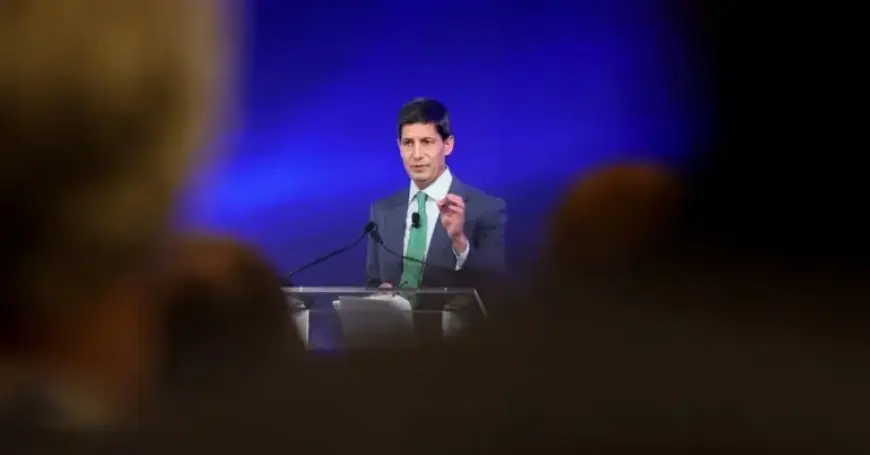
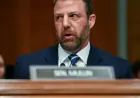
President Donald Trump has nominated Kevin M. Warsh as the next chair of the Federal Reserve. This decision comes amid ongoing tension between the Trump administration and the Fed regarding interest rates. In a post on Truth Social, Trump hailed Warsh as a potential great Fed chairman.
Warsh’s Background and Experience
Kevin Warsh previously served as a Federal Reserve governor from 2006 to 2011. His experience positions him as a key player in determining monetary policy. Warsh has also worked as an aide to President George W. Bush and is currently a senior fellow at the Hoover Institution at Stanford University.
- Served as Federal Reserve governor: 2006-2011
- Former aide to President George W. Bush
- Current senior fellow at the Hoover Institution
Trump’s Expectations and the Senate Confirmation Process
Trump expressed that while he did not receive a commitment from Warsh to reduce interest rates, he anticipates such actions. Warsh’s nomination follows a protracted search for a successor to Jerome H. Powell, whose term ends in May. This search included other notable candidates like Kevin A. Hassett and Christopher J. Waller.
The Senate must confirm Warsh’s nomination, which is expected to be contentious. There are concerns about his ability to maintain Fed independence and steer monetary policy without political influence. Senator Tim Scott, chair of the Senate Banking Committee, supports Warsh, while Senator Elizabeth Warren has raised doubts about his loyalty to political interests.
Current Monetary Policy Challenges
The Federal Reserve faces pressure to lower interest rates despite ongoing inflation and a weakening labor market. This creates a conflict between the goals of stable prices and low unemployment. Current interest rates range between 3.5% and 3.75%, significantly higher than levels desired by Trump.
Warsh previously advocated for higher interest rates, which complicates predictions about his future stance. The Fed operates as a committee, limiting the chair’s control over decisions. Warsh will need to persuade other committee members about the necessity for rate reductions.
Potential Impact of Warsh’s Nomination
If confirmed, Warsh aims to reshape the Fed’s monetary policy approach. His perspectives on interest rates have shifted based on the political climate, raising questions about his consistency and independence. Critics argue that his changing views might stem from political pressures rather than economic rationale.
As Warsh prepares for potential Senate confirmation, the effectiveness of his leadership will depend on his ability to navigate political landscapes while fostering public trust in the Fed’s independence.
In closing, Warsh’s nomination is crucial for the Federal Reserve as it grapples with challenges that involve balancing economic stability and political accountability.