US Likely to Grant Jones Act Waiver for Domestic Shipping by Wednesday

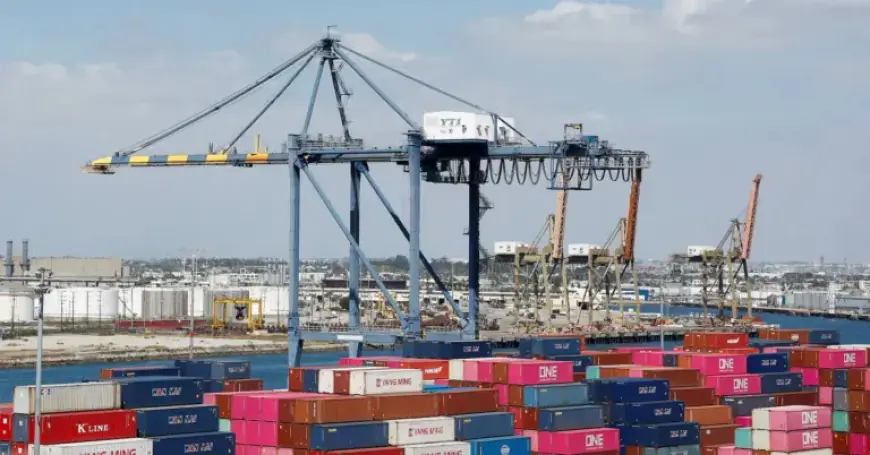
The Trump administration announced a 60-day waiver of the Jones Act on March 18. The measure aims to ease deliveries of fuel and fertilizer amid the conflict with Iran.
Details of the waiver
White House spokeswoman Karoline Leavitt said the move targets short-term disruptions in the oil market. She said it would allow oil, natural gas, fertilizer and coal to move more readily to U.S. ports for sixty days.
The administration framed the step as support for critical supply chains. Officials added it comes while the military pursues objectives labeled Operation Epic Fury.
Why officials acted
U.S. gasoline prices have risen sharply since U.S. and Israeli attacks on Iran began on February 28. The conflict has effectively closed parts of the Strait of Hormuz, which handles about one fifth of global oil and LNG flows.
Fertilizer supplies have also been disrupted. That has raised concerns among American agricultural interests.
What the waiver changes for shipping
The Jones Act normally requires cargo between U.S. ports to sail on U.S.-built, U.S.-flagged and largely U.S.-owned vessels. That rule limits the pool of tankers available for domestic routes.
Temporarily waiving the law would let foreign ships carry goods between U.S. ports. That could increase tanker availability, speed deliveries and potentially lower shipping costs.
Maritime industry unions have long supported the Jones Act. Analysts warn the effect on retail pump prices will likely be modest.
Timing and political stakes
Officials said the US was likely to approve a Jones Act waiver for domestic shipping by Wednesday. High energy costs pose political risks for President Trump and other Republicans who emphasize affordable fuel.
Reporting by Jarrett Renshaw, Gram Slattery and Jonathan Saul for Filmogaz.com. Edited by Richard Valdmanis and Chizu Nomiyama.