El Salvador Enacts Life Sentence Reform

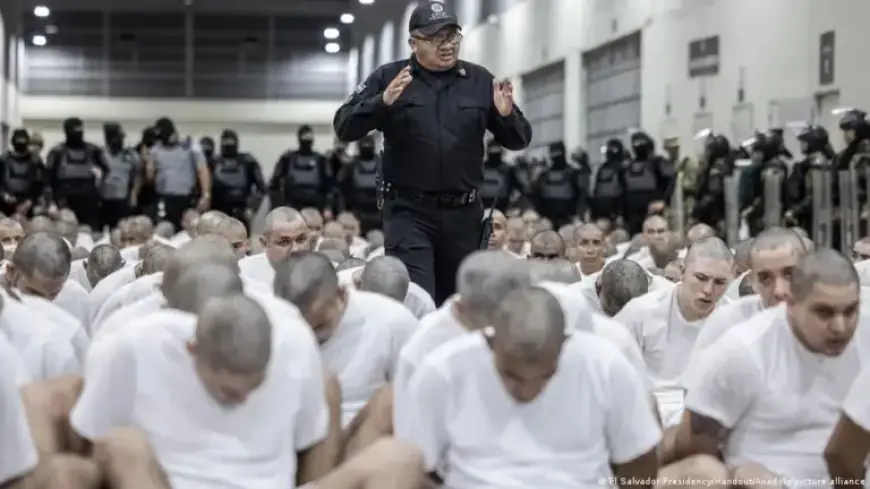
On March 17, 2026, President Nayib Bukele pushed a constitutional change to allow life imprisonment for killers, rapists and terrorists. The proposal reached the Legislative Assembly and won rapid approval.
The amendment removes the constitutional ban on life sentences. Sixty deputies addressed the bill and 59 voted in favor within hours.
What the reform changes
The reform ends the previous maximum prison term of 60 years. That limit had included mechanisms for sentence reduction. Lawmakers said the change aims to keep serious offenders incarcerated for life.
Vice President of the Assembly Suecy Callejas said offenders must “serve their sentence forever,” according to official statements. Security Minister Gustavo Villatoro framed the move as part of an ongoing campaign against gang violence.
Security context and statistics
The amendment arrives as a long-running state of exception nears its fourth year. Authorities report tens of thousands detained under emergency measures.
| Item | Figure |
|---|---|
| Parliamentary vote | 59 of 60 deputies |
| Detained under state of exception | 91,500 (without judicial order) |
| Prisoners per 100,000 inhabitants | About 1,700 (World Prison Brief) |
| Reported detainee deaths under regime | Approximately 500 (humanitarian group) |
| Previous maximum sentence | 60 years |
Gang policy and outcomes
Bukele credits the security model with sharply lower homicide rates. The administration maintains that gangs are ongoing, organized threats.
Both MS-13 and Barrio 18 have been declared terrorist organizations by El Salvador and the United States. The government rejects reintegration as a viable policy for gang members.
Human rights concerns and legal challenges
Human rights groups warn the reform may worsen rights violations. International jurists filed complaints to the Inter-American Commission on Human Rights.
- Allegations include torture, killings, enforced disappearances, and sexual violence.
- Socorro Jurídico reported many detainee deaths and said most did not fit gang profiles.
- Human Rights Watch flagged cases of migrants held in enforced disappearance after deportation.
Court processes under the state of exception have featured mass trials. Detainees are often grouped by alleged gang affiliation. Lawyers warn that collective trials raise the risk of convicting innocents.
Uncertainties about implementation
Officials have not clarified whether the new penalty will apply retroactively. The impact on ongoing mass trials remains unclear.
Criminal lawyer Roxana Cardona warned of severe prison overcrowding and the transformation of facilities into “human pits.” Human rights organizations say the reform heightens those dangers.
The move has been widely reported and debated. El Salvador Enacts Life Sentence Reform amid intense domestic and international scrutiny.
Government rhetoric and international reaction
Government officials denounced human rights groups in sharp terms. Minister Villatoro described the campaign against gangs as a “war without quarter.” President Bukele and his team have called some NGOs defenders of criminals.
Amnesty International, Human Rights Watch and other organizations say the state of exception has been used to silence critics. Many human rights defenders now operate from exile.
Filmogaz.com will monitor legal developments and international responses as implementation proceeds.