
























Google Unveils Project Genie: AI Tool Crafting Playable Worlds with Copyrighted IP

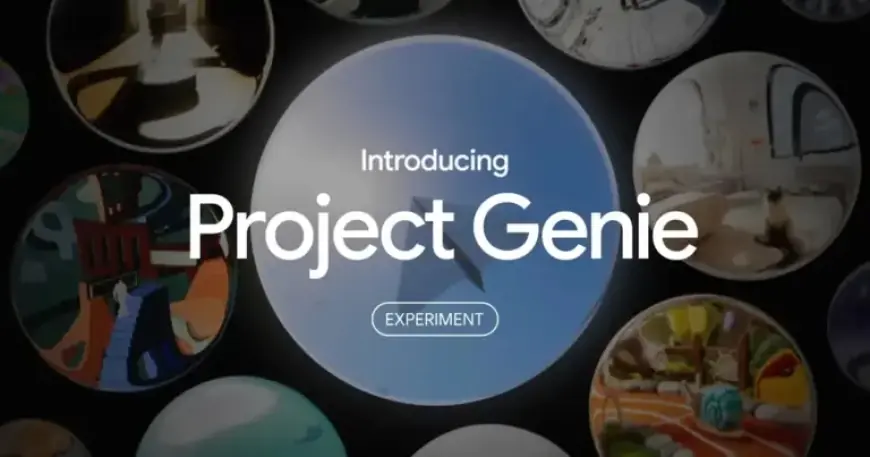
Google has introduced its latest AI initiative, Project Genie, designed to enable users to craft interactive, playable worlds. The project, showcased by the company’s DeepMind division, employs prompts to generate dynamic content similar to existing generative AI technologies. However, Google acknowledges certain limitations regarding realism and adherence to user inputs. The generated worlds may not always align with physical laws or the specifics provided in the prompts.
Concerns Surrounding Copyright and IP Issues
A significant concern raised by Project Genie is its potential to infringe on copyrighted intellectual property (IP). Reports indicate that users have already begun utilizing the tool to create content featuring established characters, such as those from “The Legend of Zelda” and Sonic the Hedgehog. Pete Lewin, a partner at the law firm Wiggin, addressed the legal and ethical implications of Project Genie in a conversation with GamesIndustry.biz. He pointed out that the tool raises similar issues to those found in other generative AI technologies.
- What data was used for training?
- Where did this training take place?
- Was the training compliant with copyright laws?
These inquiries reflect ongoing debates in courts worldwide about the boundaries of AI usage and copyright compliance. Lewin stressed the difference between allowing fans to recreate beloved game characters in limited forms versus enabling them to build extensive game environments that might compete with official products. He indicated that Project Genie will likely confront increased scrutiny from IP owners.
Google’s Pledge for Responsible Development
In an official blog post, Google described Project Genie as an “experimental research prototype.” The company stated its commitment to developing the technology responsibly for the benefit of humanity. Despite acknowledging the existing limitations of the tool, Google remains optimistic about the potential creative applications users will explore.
Furthermore, Google has not explicitly mentioned any safeguards against generating copyrighted IP. As Project Genie is still in early-stage testing, experts anticipate that protective measures, similar to those implemented in other AI tools, will be integrated over time.
In conclusion, while Google aims to revolutionize the creation of playable worlds through Project Genie, the intersection of AI technology and intellectual property will continue to warrant careful scrutiny as the project evolves.