
























Google’s ‘Project Genie’: When Will Nintendo Challenge This Plagiarism Tool?

Google has unveiled its new Generative AI tool, Project Genie, designed to create immersive gaming worlds. This innovative system leverages vast amounts of user-generated content found on platforms like YouTube. However, it raises significant ethical concerns over copyright infringement.
Key Features of Project Genie
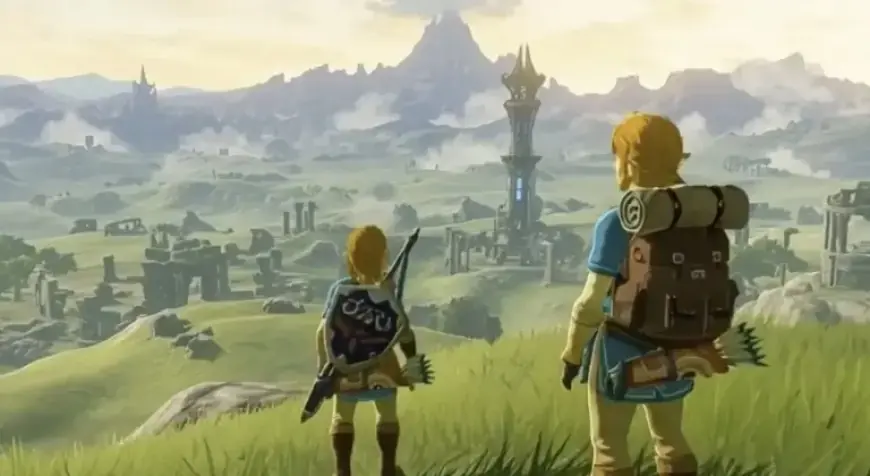
Project Genie can generate playable games that closely resemble popular titles. For instance, tech journalist Jay Peters reported creating Nintendo-inspired games, including one with a character reminiscent of Link using a paraglider. This close resemblance to the iconic title Breath of the Wild has sparked controversy.
Community Reactions
The reception from the online community has been largely negative. Critics have voiced concerns about plagiarism and the use of copyrighted characters. Some comments highlight the absurdity of using a tool to reproduce well-known franchises without authorization. Key reactions include:
- Samantha Ferreira criticized the tool for producing content that uses stolen assets.
- Twitter user Pink Freud dismissed the generated content as engagement farming.
- Many users expressed disbelief at the AI’s ability to replicate game elements so closely.
Safety Measures and Limitations
Peters noted that Project Genie implements some guardrails to prevent outright copyright violations. For example, while he attempted to create a scenario involving Kingdom Hearts, the tool blocked him from generating specific content. However, when he avoided direct references, the AI produced characters that closely resembled Sora and others.
Google’s Response
When questioned about the discrepancies in content generation, Google explained that Project Genie is still in an experimental phase. The company emphasizes that it monitors user feedback closely to enhance the tool. According to Google, Project Genie primarily uses publicly available data, which influences its output.
Implications for the Gaming Industry
The emergence of Project Genie puts Google at risk of potential legal challenges, particularly from Nintendo. As the situation develops, it remains to be seen how companies will react to AI-generated content that parallels their intellectual property. As users navigate this evolving landscape, the balance between innovation and copyright is increasingly under scrutiny.
For further updates on how tools like Project Genie impact gaming and technology, visit Filmogaz.com.