























Is a Weaker Dollar Beneficial for America? Trump’s Perspective Explored

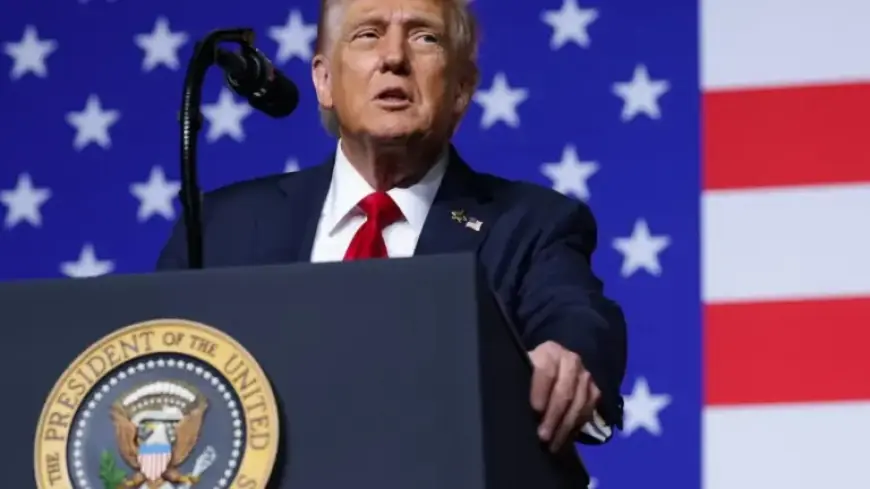
President Trump expressed his support for a weaker dollar, suggesting potential benefits for the American economy. On a recent occasion, he remarked that the current decline in the dollar’s value could enhance business for U.S. manufacturers and exporters.
Current State of the Dollar
The dollar has witnessed a significant drop, marking its lowest point in four years against a basket of major currencies. Since the beginning of the year, the dollar has depreciated by approximately 2%, following a nearly 10% decline in the previous year, the steepest fall since 2017.
Causes of the Dollar’s Decline
- Economic Policies: Concerns surrounding President Trump’s economic strategies, including tariff implementations and criticisms of the Federal Reserve, have contributed to uncertainty among investors.
- Interest Rate Cuts: The Federal Reserve has lowered interest rates three times in late 2025, which traditionally weakens the currency.
- Reduced Investor Confidence: Fears that foreign investors may decrease their holdings in U.S. assets have influenced the dollar’s performance, despite signs to the contrary.
Benefits of a Weaker Dollar
A weaker dollar offers distinct advantages for American exporters and manufacturers. Key benefits include:
- Increased Competitiveness: American goods become more affordable to foreign buyers, potentially boosting exports.
- Improved Profit Conversion: Companies like Apple gain an advantage when converting foreign earnings into more valuable U.S. dollars.
- Enhanced Tourism: The U.S. becomes more attractive for foreign visitors, stimulating local economies through increased tourist spending.
Drawbacks of a Weaker Dollar
However, a weaker dollar also poses challenges that cannot be overlooked:
- Cost of Imports: Imported goods become pricier, leading to inflation, which affects consumers and businesses that rely on foreign materials.
- Travel Expenses: Americans may face higher costs when traveling abroad, as foreign currencies become more expensive in comparison.
- Perception Issues: A declining dollar can signal a lack of confidence in the U.S. economy, impacting global perceptions of American economic strength.
Official Stance
Despite concerns, Treasury Secretary Scott Bessent reaffirmed the U.S. commitment to a strong dollar policy. He emphasized the need for robust economic fundamentals to attract investment and maintain confidence in the American economy.
In summary, while President Trump’s view on a weaker dollar highlights its potential benefits for exports and domestic manufacturers, the associated risks and drawbacks warrant careful consideration. The balance between maintaining a competitive edge and sustaining economic stability remains a critical topic in ongoing discussions about U.S. monetary policy.