






















Tesla Abandons Traditional Car Sales Model

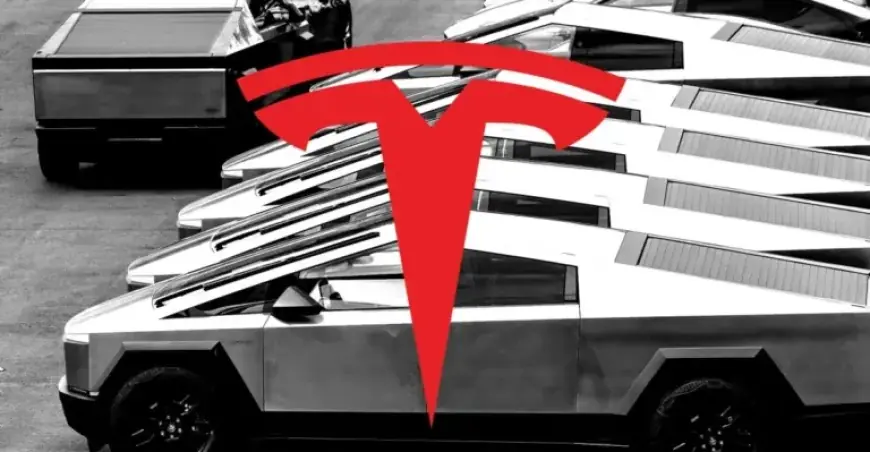
Tesla, once known primarily as an electric vehicle (EV) manufacturer, is shifting its focus to emerging technologies such as artificial intelligence (AI) and robotics. This transition raises questions about whether Tesla still maintains its identity as a traditional car company.
Tesla’s New Direction
During Tesla’s recent quarterly earnings call, CEO Elon Musk and other executives indicated a significant pivot in strategy. The company announced the discontinuation of its flagship models, the Model S and Model X, to prioritize the development of humanoid robots, raising eyebrows among investors and consumers alike.
Shift to Transportation as a Service
Executives claimed that Tesla should be viewed as a “transportation as a service” company rather than a conventional automaker. Musk emphasized his vision for a future dominated by autonomous vehicles, predicting that less than 5% of miles driven will involve human operators. He stated, “The vast majority of miles traveled will be autonomous in the future.”
Revenue Trends and Market Position
Despite still generating substantial income from vehicle sales, Tesla’s traditional automotive revenue, which reached $69.5 billion in 2025, is declining at a rate of 10% annually. In contrast, revenues from energy solutions and other services are on the rise. This change reflects a significant shift in Tesla’s overall business model.
Challenges in the EV Market
- Tesla lost its global leadership in EV sales to BYD this year.
- Sales of the Model 3 and Model Y are decreasing despite attempts to introduce more affordable versions.
- Declining EV tax credits are making it harder for potential customers to purchase electric vehicles.
- Musk’s political associations have turned off some of Tesla’s more progressive consumer base.
Subscription Model and Future Plans
Moving forward, Tesla is placing greater emphasis on subscription revenues. The company announced 1.1 million active subscriptions for its Full Self-Driving (FSD) feature, marking a 38% increase from late 2024. However, Tesla will no longer offer FSD as a standalone purchase, limiting access to subscription only.
Investing in Robotics and AI
The company’s ambitious plans include the mass production of the “Gen 3” Optimus robot by late 2027. Nevertheless, these developments come with significant financial investments, estimated to reach $20 billion in 2026. According to Chief Financial Officer Vaibhav Taneja, this funding will support the production of autonomous vehicles and battery manufacturing facilities.
Concerns and Future Viability
Despite this shift in focus, challenges remain. Tesla’s autonomous vehicle initiatives face scrutiny due to safety incidents. In fact, their robotaxis have been reported to crash at higher rates than human-operated vehicles.
As Tesla navigates this complex transformation, the company’s future as solely a car maker seems increasingly questionable. Its leadership appears committed to a long-term vision that prioritizes autonomy and artificial intelligence over traditional vehicle sales.
For more insights into Tesla’s evolving business strategies and their impact on the automotive industry, visit Filmogaz.com.