






















Jason Orange absence sparks debate as Take That documentary Netflix lands

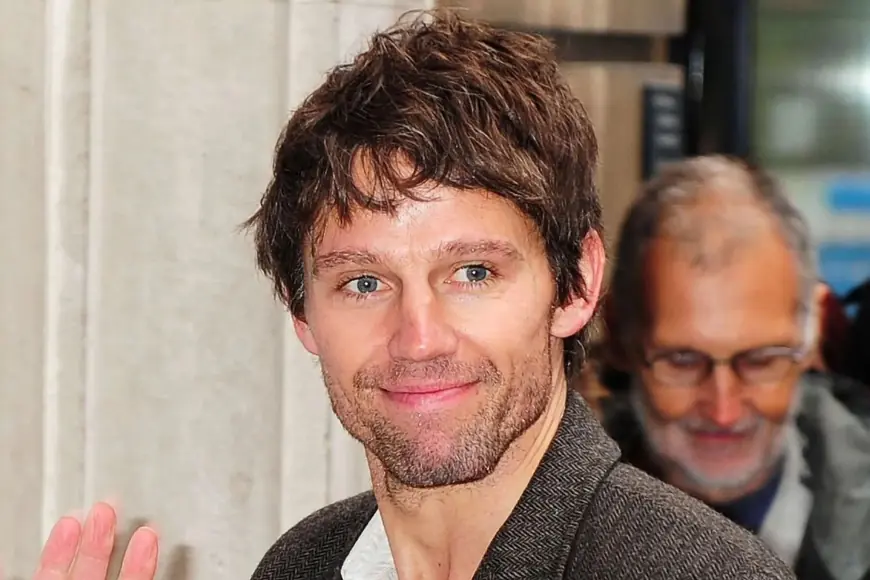
Jason Orange is the name lighting up searches this week as a new Take That documentary arrives on Netflix and fans notice one striking choice: Orange does not sit for a fresh on-camera interview, even as the series revisits the band’s biggest highs and most bruising lows. The three-part limited series, titled “Take That,” began streaming Tuesday, Jan. 27, 2026, and by Friday, Jan. 30, 2026, conversation has centered on what the show reveals — and what it deliberately leaves out.
The documentary leans heavily on archival footage and present-day interviews with Gary Barlow, Mark Owen, Howard Donald, and Robbie Williams, charting the group’s rise, 1990s domination, breakup, and comeback years. It also puts mental health and fame’s aftershocks front and center, a tone that’s drawing strong viewer reactions.
Take That Netflix release and format
Netflix is presenting the project as a tightly packaged limited series built around “never-before-seen” archive material, with the story structured to move from early Manchester ambitions to arena-scale fame, the internal fractures of the mid-1990s, and the modern reunion era.
For viewers searching take that netflix or take that documentary netflix, the essentials are simple: it’s a three-episode documentary series, not a scripted drama, and it frames the band’s history through candid reflections from the members who chose to participate in new interviews, plus extensive tapes, backstage clips, and performance footage.
Jason Orange and the decision to stay off camera
Orange’s absence from new sit-down interviews is not presented as a mystery-box twist; it’s treated as a reality of where he is now. The series still includes his presence through older material, and his voice is heard at points, but the show doesn’t attempt to “solve” him.
That creative choice is driving a split response. Some viewers see it as respectful — a boundary honored for someone who left public life after his 2014 departure from the group. Others see it as an unavoidable gap in a project that asks the audience to relive formative years for Take That members while one key figure remains out of frame. Either way, the attention has turned Orange into the documentary’s most discussed character without him having to say a word in the present tense.
Gary Barlow, Mark Owen, Howard Donald: the hardest chapters
The most powerful stretches of the series come when Gary Barlow, Mark Owen, and Howard Donald describe what happened after the original 1996 split and the whiplash from being adored, then discarded, almost overnight. The documentary spends real time on the psychological toll of fame and the way old hierarchies inside the band affected confidence and identity.
Barlow’s segments, in particular, are already being clipped and shared widely because they tie the band’s public implosion to private spirals — including disordered eating, depression, and isolation. Owen and Donald also speak bluntly about the years when solo careers stalled and the emotional aftermath didn’t match the glamorous image the public had consumed.
Robbie Williams’ role in the story
The series gives Robbie Williams significant space, reflecting his central role in Take That’s most turbulent era. The documentary revisits his mid-1990s behavior through the band’s eyes and his own, framing the period as a collision of youth, addiction, performance pressure, and fame that arrived too fast to manage.
For longtime fans, the new material isn’t just nostalgia — it functions as a postscript to decades of tabloid narratives, repositioning old conflicts as unresolved mental health stories rather than simple personality clashes. It also reframes the band’s later reunions as fragile peace treaties rather than neat happy endings.
Gary Barlow net worth questions surge with renewed spotlight
The documentary’s popularity has also revived curiosity about money — especially Gary Barlow net worth. There is no publicly confirmed figure, and online estimates vary widely depending on what’s being counted (songwriting royalties, touring revenue, production work, property, and TV projects).
What’s clear is why the question keeps coming up: the series repeatedly emphasizes that Barlow was the group’s primary songwriter, and the band’s catalog remains commercially powerful. Still, the documentary itself does not provide a verified number, and any specific net-worth claims circulating online should be treated as unverified estimates rather than hard fact.
What the documentary means for Take That now
Beyond the headlines, the Netflix release functions like a brand reset — a chance to introduce Take That to viewers who only know the name, while giving longtime fans a more human version of the group. It also arrives at a moment when legacy pop acts are increasingly using streaming documentaries to frame their own histories on their terms.
The biggest near-term question is whether the renewed attention leads to new music and touring momentum for the current trio — Barlow, Owen, and Donald — and whether Orange’s name remains part of that story mainly as an absence, or eventually as a voice again, even if only off camera.
Sources consulted: Netflix; Netflix Tudum; People; Radio Times; EL PAÍS; IMDb