
























National shutdown call for Jan. 30 general strike spreads nationwide amid “ICE Out” protests

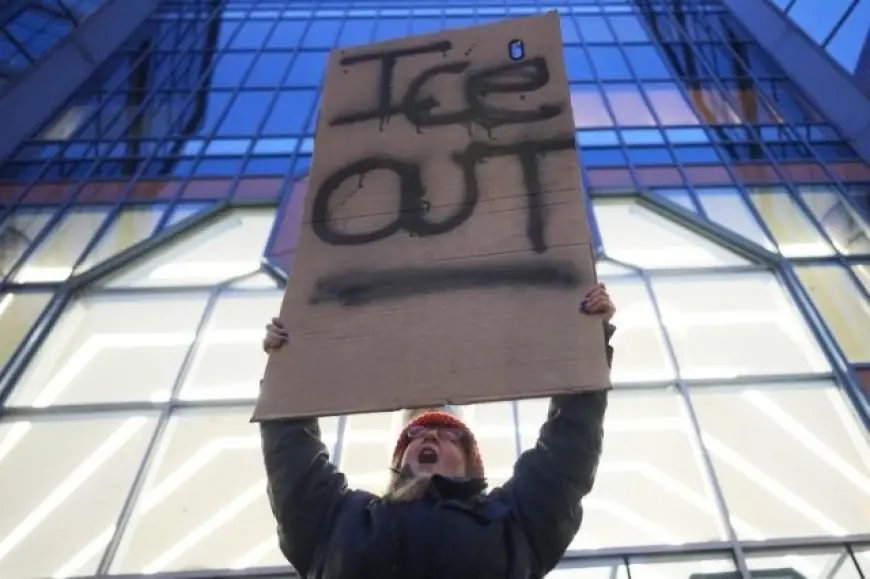
A national shutdown campaign calling for a one-day general strike Jan 30 is rippling across the U.S. on Friday, Jan. 30, 2026, with organizers urging supporters to skip work, school, and shopping and join demonstrations tied to the ICE out movement. The action is tied to anger over recent immigration enforcement operations and deaths linked to federal agents in Minnesota, and it is being amplified heavily through social media posts advertising a nationwide shutdown and nationwide strike Jan 30.
The organizing message is simple and deliberately blunt: a strike on friday meant to interrupt daily life and pressure lawmakers over immigration enforcement funding. Online, the day is being promoted under overlapping labels, including jan 30 general strike, january 30 strike, strike january 30, and national strike january 30—all describing the same core idea: a coordinated “blackout” of normal routines.
What’s driving the strike calls
The push for a general strike is rooted in outrage around intensified immigration enforcement activity and a series of deaths that organizers describe as unjustified uses of force. The flashpoint has been Minnesota, where a surge of federal immigration activity sparked large street protests, student walkouts, and calls for broader disruption beyond the state.
The language of the campaign is explicitly anti-ICE. Phrases like ice out jan 30, ice out jan 30, and ice protest jan 30 have surged online, alongside posters and templates urging supporters to contact employers and schools, participate in walkouts, and limit spending for the day. The organizing pitch frames the action as both a labor-style shutdown and a civil-rights protest aimed at changing policy and funding decisions.
National shutdown: what organizers are asking people to do
For people encountering the slogans without context, this is the core ask behind national shutdown january 30: stop “business as usual” for one day, and show up—physically or economically—against immigration enforcement.
Key details circulating widely
-
“No work. No school. No shopping” messages tied to the nationwide shutdown january 30 theme
-
A heavy emphasis on demonstrations near federal buildings, ICE offices, and major public spaces under the ICE out banner
-
An online hub frequently referenced as national shutdown dot us (often written in posts as “national shutdown.us”), used to share flyers, talking points, and sign-up prompts
Where protests are happening and what “protest tomorrow” means
Demonstrations are planned across hundreds of locations nationwide, with especially large gatherings expected in major metros and college towns. Organizers have promoted Friday as the disruption day—strike, walkouts, and boycotts—while also pushing a follow-up wave of rallies under the “national day of action” concept.
That’s where the phrase protest tomorrow comes in. Many posts calling for a Jan. 30 shutdown also point to Saturday, Jan. 31, 2026, for additional coordinated street actions in more states and cities. In practice, many local groups are treating Friday as the economic leverage point and Saturday as the mass-mobilization moment.
“ICE out” slogans collide with real-world participation
Online attention doesn’t always translate into a true stoppage of work nationwide, and organizers themselves have acknowledged that many supporters can’t risk losing wages or jobs. As a result, the campaign has encouraged flexible participation: partial walkouts, spending pauses, solidarity actions, and attending events outside work hours.
In some cities, individual businesses and organizations have chosen to close, run limited hours, or donate proceeds to community aid. Elsewhere, participation has centered on student-led walkouts and rallies. The result is a patchwork: a visible protest footprint in many areas, with actual economic disruption varying widely.
Greys Anatomy becomes a flashpoint in pop culture
The movement’s reach has extended into entertainment and workplace solidarity actions. greys anatomy became an unexpected headline connection after production on the long-running medical drama paused for a day in solidarity with the shutdown call, reflecting how the protest messaging has jumped from campuses and city streets into cultural institutions and high-profile workplaces.
That crossover has further fueled the online loop: clips, memes, and reposts linking celebrity amplification to calls for national strike participation—helping the campaign travel far beyond its original organizing base.
Sources consulted: Reuters; The Guardian; Entertainment Weekly; The Hollywood Reporter; CBS News; ABC7 New York.