Catherine O’Hara Dead at 71: What’s Confirmed, What’s Still Unclear, and Why the Death Rumors Spread So Fast

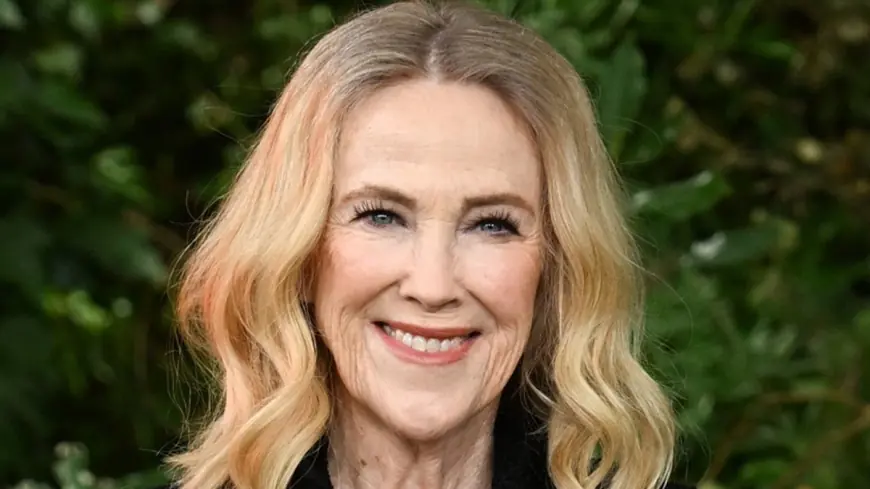
Veteran actor and comedian Catherine O’Hara has died at age 71, a representative confirmed Friday, January 30, 2026 ET. The announcement set off an immediate surge of online searches asking variations of the same question—whether she was truly dead—because false celebrity death claims have circulated about her in past years.
For now, the central fact is confirmed: O’Hara has died. What remains unclear publicly is the cause of death and the specific circumstances, which have not been detailed in official statements as of Friday.
What We Know Right Now About Catherine O’Hara’s Death
As of January 30, 2026 ET:
-
O’Hara’s death has been confirmed by her representation.
-
She was 71.
-
No cause of death has been publicly provided in confirmed statements.
-
Further details are expected as family and representatives decide what to share.
If you are seeing posts that present a cause, timeline, or dramatic circumstances as settled fact, treat those as unconfirmed unless they come directly from family or formal representatives. Early hours after a public figure’s death often produce a messy mix of real updates and recycled rumor.
Why “Catherine O’Hara Died” and “Catherine O’Hara Dead” Started Trending So Hard
This story hit a nerve for two reasons at once.
First, O’Hara is widely recognized across generations: from Schitt’s Creek to Home Alone and Beetlejuice, her work sits in the cultural “always on” rotation—clips, reruns, memes, and re-watches. That means any major news about her spreads instantly.
Second, she is not a constant tabloid presence. When someone is beloved but relatively private, the information vacuum gets filled quickly by speculation, recycled old hoaxes, and people mistaking unrelated posts for confirmation.
A Career That Made “Beloved Character Actor” Feel Like an Understatement
O’Hara’s influence runs deeper than a list of credits. She helped define modern sketch and character comedy: big choices, precise timing, and a rare ability to play heightened without losing emotional truth.
Her early work in Canadian comedy—especially SCTV and her roots in The Second City—made her a talent other performers studied, not just enjoyed. Later, she became the kind of actor who could elevate any project: the scene-stealer who still somehow never felt like she was scene-stealing.
That’s why her death is being treated not merely as celebrity news, but as a moment of real cultural loss for comedy.
Behind the Headline: What’s Really Driving the Conversation
Context: The internet has trained audiences to doubt death announcements until they see multiple confirmations—because premature reports and hoaxes have become routine. That instinct is protective, but it also creates confusion when a death is real.
Incentives: There are structural incentives for misinformation to spread fast. Shock posts generate attention; attention generates more amplification; and “did she die?” queries surge before careful confirmation catches up. The result is a predictable loop: uncertainty becomes fuel.
Stakeholders:
-
Family and close colleagues typically want privacy and control over details.
-
Fans want certainty and a place to grieve together.
-
The wider entertainment industry is quick to honor a foundational figure, but can also unintentionally intensify rumor by reposting partial information.
Second-order effects: High-profile deaths now double as stress tests for public trust. When rumor outruns confirmation, people become more cynical—even about accurate announcements. That cynicism can spill into other news categories, not just entertainment.
What We Still Don’t Know
As of Friday, January 30, 2026 ET, major open questions include:
-
The cause of death
-
Whether a public memorial or service will be announced
-
Whether any previously scheduled projects or appearances will be addressed
-
What her family wants shared, and when
The absence of details is not evidence of a cover-up; it is often simply the family’s choice, especially in the earliest hours.
What Happens Next: Realistic Scenarios to Watch
-
A formal family statement that clarifies cause of death or requests privacy.
-
Industry tributes and retrospective programming that reintroduce her work to new audiences.
-
Corrections to misinformation as platforms and public figures delete or revise inaccurate posts.
-
Renewed attention to her comedy lineage, including how her sketch-era work shaped modern character performance.
-
Charitable or memorial initiatives launched in her name, depending on family preferences.
O’Hara’s legacy is secure: she built characters people quote, re-watch, and carry with them. The remaining story in the coming days is less about spectacle and more about confirmation, remembrance, and the boundary between public mourning and private loss.