
























Polar Vortex Collapse: Stratospheric Warming to Disrupt Weather Patterns Soon

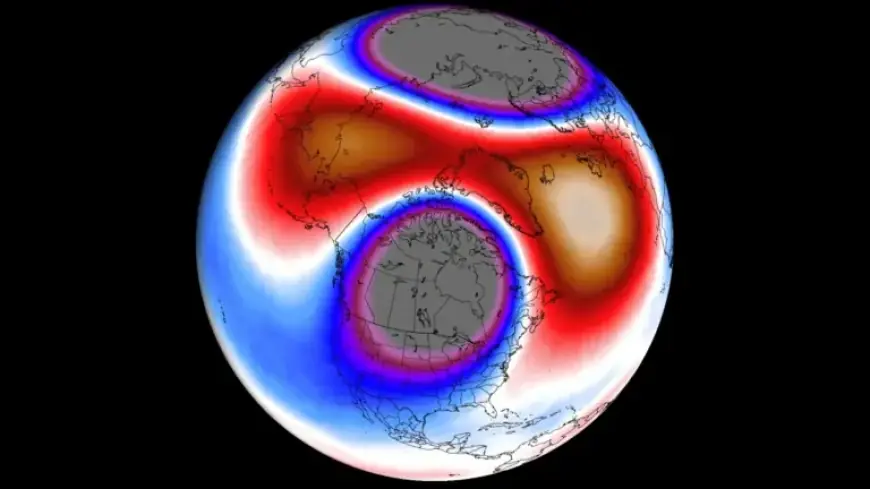
Recent forecasts indicate that a Polar Vortex collapse, triggered by a significant Stratospheric Warming event, is set to disrupt weather patterns across North America and Europe in mid-February. Predictions signal a breakdown of polar circulation, leading to extended cold weather conditions that may persist into early spring. The cold anomalies are already affecting regions in the United States and Canada, showcasing the early impacts of the pre-split event.
Understanding the Polar Vortex
The Polar Vortex is a crucial feature of winter circulation in the northern and southern hemispheres. It acts like a barrier, trapping cold polar air. When disrupted, this circulation can release cold air masses into lower latitudes, resulting in harsh winter conditions.
- Layers: The Polar Vortex consists of two layers: the upper stratosphere and the lower troposphere.
- Effects of a Strong Vortex: A strong Polar Vortex keeps frigid air contained, resulting in milder winters.
- Impacts of Disruption: Disruptions allow cold air to spill into mid-latitude regions like the United States and Europe.
Current Polar Vortex Conditions
Currently, analysis indicates a deformed Polar Vortex core is pushing cold air into central and eastern U.S. regions. Some forecasts predict temperature drops of up to 30°F below normal. The Stratospheric Warming event, characterized by rising stratospheric pressure and temperatures, is anticipated to unfold in the coming week, exacerbating the situation.
Weather Impacts in North America and Europe
The upcoming Polar Vortex disruption is expected to have significant weather ramifications. Current forecasts predict:
- Cold air pushing into the central and eastern United States.
- Winter storm conditions intensifying across the region, particularly in the Carolinas.
- Continued cold patterns over eastern Canada as well.
- A colder air mass affecting much of Europe, particularly the northeastern areas.
Future Forecasts
As we look toward mid-February, the disruption’s effects are expected to spread. While some warm air may briefly push into central Europe, cold conditions will dominate the northern and western parts. This indicates a strong chance of continued winter weather patterns extending toward early March.
Conclusion
The expected collapse of the Polar Vortex due to a Stratospheric Warming event signals substantial weather changes in North America and Europe. Cold temperatures and winter storms appear likely, necessitating preparation for extended cold weather well into the spring. For ongoing updates, please follow forecasts on Filmogaz.com.