























Bridgerton season 4 Reviews: Critics warm up as audience scores stay split

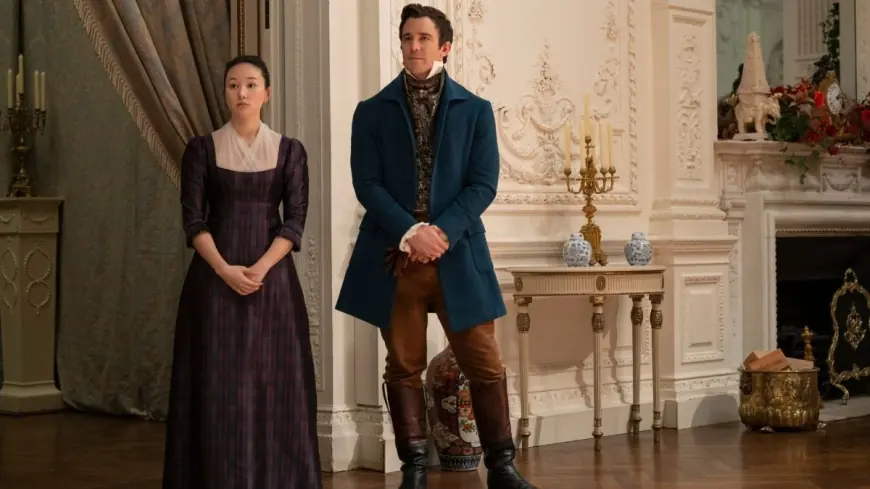
Bridgerton season 4 Reviews are arriving fast after Part 1 dropped on Netflix on Thursday, Jan. 29, 2026, at 3:00 a.m. ET, and the early read is clear: critics largely see a return to the show’s comfort-food strengths, while audience reactions are more polarized. The season’s pivot to Benedict Bridgerton and Sophie Baek is drawing praise for chemistry and fantasy-romance vibes, but the split release is also magnifying complaints about pacing, cliffhangers, and whether the central love story is doing enough of the heavy lifting.
Part 2 is set for Thursday, Feb. 26, 2026, at 3:00 a.m. ET, leaving a month-long gap that effectively turns “reviews” into an evolving story rather than a single verdict.
A two-part release that shapes the reaction
The release strategy is doing real work here. With only four episodes available, many reviews read like midseason reports: strong first impressions, clear concerns, and a lot of “we’ll see” about whether the season sticks the landing. That’s especially relevant because Part 1 ends on a loaded romantic proposition that turns the class divide from subtext into plot engine—exactly the kind of moment that invites debate, then leaves it unresolved for weeks.
The result is a feedback loop: conversation spikes at launch, hardens into camps, then resets when the final four episodes arrive.
Bridgerton season 4 Reviews: the early scoreboard
Here’s where the major aggregates sat as of Friday, Jan. 30, 2026 (ET):
| Measure | Early level |
|---|---|
| Rotten Tomatoes critics score | 83% (36 reviews) |
| Rotten Tomatoes audience score | 69% (500+ ratings) |
| Metacritic critic average | ~60s–70s range (based on published critic reviews) |
| Metacritic user score | 4.1/10 (29 user ratings) |
That spread—solid critics, shakier audience numbers—matches the tone of much of the coverage: plenty of “fun again,” paired with frustration that the season’s biggest emotional and ethical questions are being held back for Part 2.
What critics liked: fantasy, heat, and a stronger emotional spine
A common positive theme is that Season 4 leans into fairy-tale wish fulfillment with enough self-awareness to keep it moving, even when it’s predictable. Reviewers who enjoyed Part 1 point to:
-
Luke Thompson and Yerin Ha’s rapport as the season’s stabilizer, selling yearning and tension even when the plot uses familiar romance beats.
-
The show’s signature polish—costumes, music cues, and the glossy “event TV” feeling that made the series a binge staple.
-
A more confident mix of romance and social stakes, with Sophie’s position (and vulnerability) grounding the story’s larger-than-life tone.
Several reviewers also flagged that the supporting storylines are unusually important this year—sometimes because they deepen the world, sometimes because they inject energy when the Benedict–Sophie arc pauses.
The main critiques: predictability, power dynamics, and “Part 1 syndrome”
Even many friendly reviews still circle the same concerns.
One is conventionality: the season is being described as entertaining but not especially surprising. Another is balance: some critics argue that side plots are doing so much work that the central romance occasionally feels like it’s coasting on chemistry and aesthetics.
Then there’s the big one: power dynamics. Part 1 pushes Benedict into morally messy territory (the kind that can be fascinating or off-putting depending on execution), and reviewers are watching closely to see whether Part 2 interrogates that mess—or smooths it over too easily.
Finally, the cliffhanger itself is drawing heat. Ending on a charged, unresolved proposition is effective bait, but it can also make Part 1 feel incomplete in a way that frustrates viewers who wanted a fuller arc before the pause.
What audience reactions are saying
Audience scores and comment trends look more divided than the critic pool. A chunk of viewers seem thrilled to have “classic Bridgerton” back—romance-forward, sexy, and easy to devour. Another chunk is loudly dissatisfied, often focusing on:
-
Pacing complaints (too much setup, not enough payoff in four episodes)
-
Chemistry debates (whether Benedict and Sophie “click” for them)
-
Subplot preference (some viewers finding other arcs more compelling than the main couple)
That mix is likely to keep shifting as more people finish Part 1, and then again when Part 2 either resolves the central conflict in a satisfying way—or doesn’t.
The forward look: what Part 2 must deliver
With a month until the back half arrives, the review conversation is narrowing to a few tests. Can the season land the romance without dodging the class and consent questions it raised? Can it turn the cliffhanger into character growth instead of melodrama? And can it give viewers a payoff that feels earned, not simply inevitable?
If Part 2 delivers on those points, the early “solid-but-split” reception could swing more decisively positive. If it doesn’t, the loudest criticism—pretty, bingeable, but emotionally thin—may harden into the season’s defining takeaway.
Sources consulted: Rotten Tomatoes; Metacritic; The Guardian; IndieWire; The Washington Post; The Daily Beast