























Denmark Discovers the Artistry in Culinary Creations

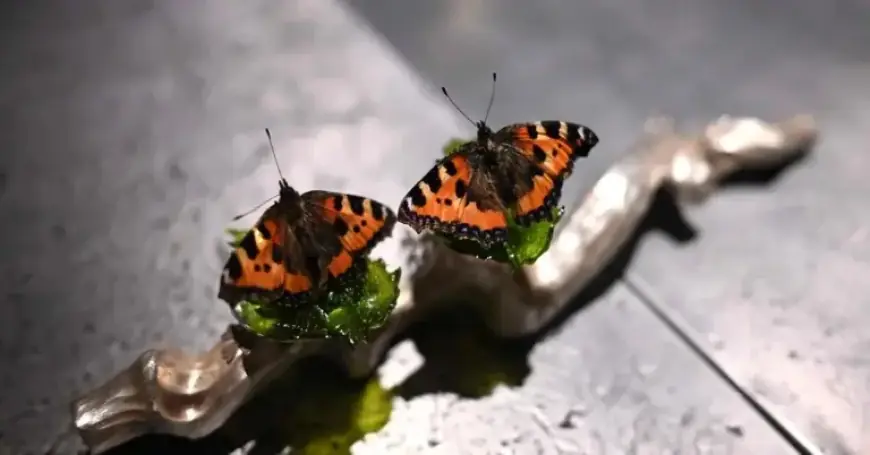
Denmark’s culture minister recently introduced a groundbreaking initiative to officially recognize gastronomy as fine art. This development could mark the first time a country classifies cooking as a form of cultural production deserving of the same level of support and protection as traditional arts like painting or ballet.
Reclassification of Gastronomy in Denmark
The initiative is currently in the exploratory phase. It involves gathering experts to evaluate the proposal for reclassifying gastronomy from a craft to an art form. This shift would ultimately require parliamentary approval.
If successful, the reclassification would allow top chefs access to state subsidies and funding from private arts foundations. Minister Jakob Engel-Schmidt expressed hope that this acknowledgment could reshape the perception of gastronomy from mere nourishment to an authentic form of expression.
The Rise of New Nordic Cuisine
Denmark’s culinary scene has transformed significantly over the past few decades. Once reliant on basic ingredients like herring and rye bread, the country is now celebrated as a premier dining destination. This change has been largely driven by the innovative New Nordic cuisine, championed by renowned chef René Redzepi at his restaurant Noma.
Support for Creativity in Culinary Arts
Rasmus Munk, from the avant-garde restaurant Alchemist, emphasized that this initiative could provide chefs with the time and space needed to unleash their creativity. He pointed out that while artists in other fields often have the freedom to develop their work without operational concerns, chefs must constantly focus on running their restaurants.
Munk articulated that an official artistic designation would better reflect the type of creative processes some chefs engage in, such as the immersive dining experience at Alchemist. Guests enjoy meals beneath a planetarium-style dome, featuring striking visual installations.
Culinary Arts Debate Among Professionals
Despite the initiative’s potential, some chefs remain hesitant to embrace the artistic label. Names like Joël Robuchon and Thomas Keller have expressed a preference for the term “craftspeople,” prioritizing technique over artistry. Aitor Zabala, a chef from Los Angeles, shared his internal conflict regarding the notion of cooking as art.
The art world itself is also divided. Historical and contemporary artists have used food as a medium, generating significant discussions about the intersection of gastronomy and art.
Controversies in Culinary Art Recognition
Ferran Adrià, the chef behind the pioneering elBulli restaurant, was invited to the prestigious Documenta exhibition in 2007, a decision that sparked controversy among art critics. While some viewed it as a dilution of artistic value, others recognized his work as reflective of deep artistic practices.
Critics like Mathias Kryger voiced skepticism about the minister’s plans, noting that the distinction between culinary work and true artistic expression can be complex.
Food as Emotional Experience
Despite differing opinions within the culinary community, several chefs believe in the emotional power of food. Nicolai Norregaard from restaurant Kadeau remarked that elevated food can evoke profound feelings, similar to those experienced when viewing significant artworks.
- Initiative aims to classify gastronomy as fine art.
- Could enable chefs to receive state subsidies.
- Denmark’s culinary reputation grew with New Nordic cuisine.
- Support sought for chefs to explore creativity.
- Division exists over recognition of chefs as artists.
The future of Danish gastronomy may hinge on the successful reclassification of culinary arts. This initiative proposes to elevate cooking beyond mere sustenance, transforming it into a recognized expression of cultural identity. For more updates on this exciting development, visit Filmogaz.com.