

























Allow Chinese EVs to Enter the US Market

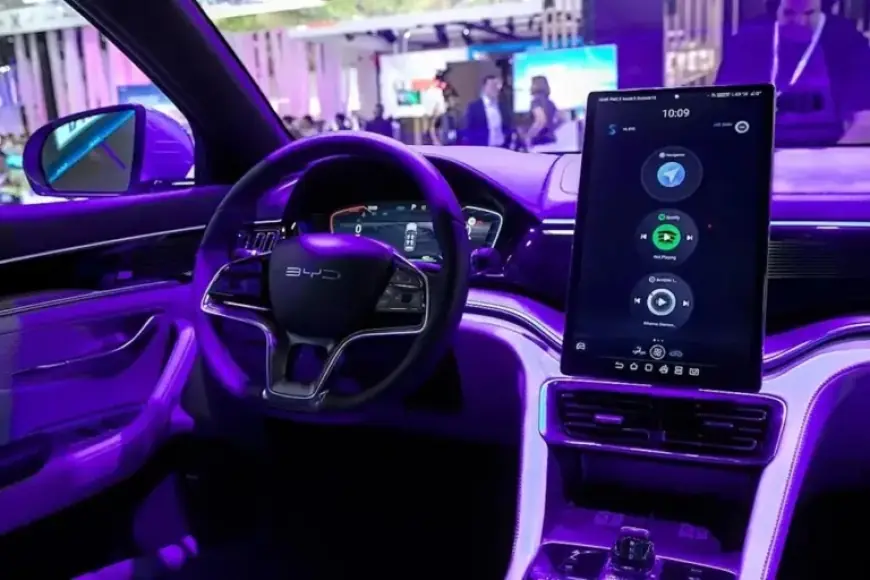
The recent decision by Canada to reduce tariffs on Chinese electric vehicles (EVs) has prompted discussions about the potential benefits of allowing Chinese EVs into the U.S. market. Canada’s tariffs on such cars will decrease significantly, from 100% to 6.1%, allowing the import of up to 49,000 units in the first year, potentially rising to 70,000 within five years. This agreement signifies a shift from strict U.S. trade practices, previously influenced by national security concerns, toward a more open trade policy with China.
Effects of Canada’s Trade Deal
Under the new trade arrangement, Canada will also receive a substantial investment from Chinese manufacturers in its automotive sector. In exchange, China will reduce tariffs on Canadian canola seed exports from approximately 84% to around 15%. This targeted agreement marks a notable break in Canada’s previously aligned trade policies with the U.S., especially after the imposition of 100% tariffs on Chinese EVs under the Biden administration in 2024.
Relationships between the U.S. and Canada have strained due to trade tensions. With ongoing threats from former President Trump regarding steep tariffs, Canadian policymakers are reconsidering their alignment with U.S. trade agendas.
The Case for U.S. Tariff Reforms
Currently, the U.S. enforces a tariff of 125% on Chinese-made EVs, along with restrictions on vehicles linked to Chinese software ecosystems. Advocates argue that the U.S. should follow Canada’s lead, reducing tariffs significantly and implementing annual import limits. Moreover, any agreement should include strong commitments from China regarding local sourcing of key components, such as batteries.
Reasons for Embracing Chinese EVs
- Need for More EVs: The U.S. is lagging in the EV transition, crucial for its automotive future.
- Impact on U.S. Automotive Technology: Delaying EV adoption risks isolation in global automotive markets.
- Enhancing Domestic Manufacturing: Encouraging EV imports may foster local battery and component production.
American consumers are increasingly interested in affordable EV options. Chinese manufacturers, like BYD and Xiaomi, offer competitively priced, high-quality electric vehicles that could attract U.S. buyers. Reports highlight advances in Chinese EV technology, including ultra-fast charging and advanced driver-assistance systems, enhancing their appeal.
Benefits of Competition
Allowing Chinese EVs could stimulate competition in the U.S. automotive market, pushing established brands such as Ford and General Motors to innovate and improve their electric offerings. Historical comparisons show that increased competition can drive innovation and productivity, and firms may invest more in research and development in response to challenging market scenarios.
Moreover, if U.S. and Chinese partnerships are fostered through joint ventures and local sourcing incentives, this could invigorate manufacturing cycles in America while creating new jobs. This model has shown promise in other markets, particularly with Japanese automakers establishing a robust presence in the U.S.
Addressing Potential Risks
One major concern with Chinese EV imports revolves around cybersecurity risks, including potential espionage and sabotage. It’s crucial to establish stringent cybersecurity protocols to mitigate these risks. Measures could include monitoring software hosted on U.S. servers and utilizing local communication networks.
Implementing a structured approach to integrating Chinese EVs into the U.S. market could yield substantial economic benefits while preserving national security. With Canada paving the way, the U.S. stands to gain by refining its trade policies to accommodate Chinese electric vehicles.