
























Spanish Scientist Discovers Pancreatic Cancer Cure in Major Medical Breakthrough

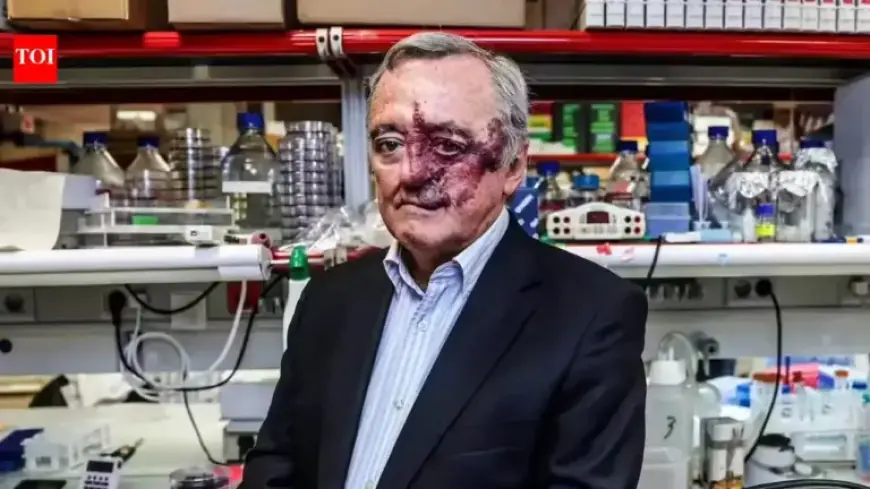
A Spanish research team has made a significant advancement in the fight against pancreatic cancer. Led by Mariano Barbacid from the Spanish National Cancer Research Centre (CNIO), the team developed a triple-drug therapy that successfully eliminated the most aggressive form of pancreatic cancer in laboratory mice. This breakthrough raises hope against one of the deadliest cancers known to humanity.
Breakthrough in Pancreatic Cancer Treatment
Research over six years revealed that this innovative therapy completely eradicated pancreatic tumors in test subjects without any recorded relapses. The treated mice exhibited minimal side effects, marking a critical milestone in pancreatic cancer treatment. This study brings attention to the challenges posed by pancreatic ductal adenocarcinoma, which remains highly resistant to standard therapies.
Understanding Pancreatic Cancer
Pancreatic cancer is notorious for its poor prognosis due to late diagnosis and complex tumor environments. Traditional treatments often fail because tumors quickly adapt and bypass single-target drugs. The CNIO therapy distinguishes itself by utilizing a combination of three drugs to simultaneously disrupt multiple survival mechanisms in cancer cells, which counters their ability to adapt.
Key Findings from the Study
- Mice with advanced pancreatic tumors showed complete elimination of tumors.
- No tumor regrowth was observed during extensive follow-up periods.
- The therapy presented unusually low toxicity in treated animals.
These findings were published in the prestigious Proceedings of the National Academy of Sciences (PNAS), where independent reviewers highlighted the durability of the treatment response. Such enduring outcomes without relapse are rarely noted in pancreatic cancer studies, underscoring the significance of this research.
About Mariano Barbacid
Mariano Barbacid is recognized as one of Europe’s leading cancer researchers. He gained prominence in the early 1980s for identifying the first human oncogene. His work has significantly influenced modern cancer biology, particularly regarding KRAS-driven tumors, which are often difficult to treat. Approximately 90 percent of pancreatic cancers involve KRAS mutations, highlighting the relevance of Barbacid’s current research.
Research Support and Validation
The study received funding from Fundación CRIS Contra el Cáncer, an organization dedicated to supporting high-impact cancer research projects. It adhered to rigorous experimental protocols and underwent independent peer reviews to ensure scientific credibility.
Public Reaction and Future Directions
The announcement of this breakthrough created a wave of reactions across social media platforms. While many expressed excitement, some voiced skepticism regarding potential pharmaceutical or regulatory challenges that could delay its implementation. This highlights the ongoing tension between scientific communication and public hope.
Next Steps in Pancreatic Cancer Treatment
The research team plans further validation studies and safety testing. If successful and supported by funding and regulatory approvals, they aim to move forward with early-stage human trials. While a definitive cure for pancreatic cancer may still be years away, this research offers strong indications that targeted combination therapies could effectively address this lethal disease.