

























Trump Admin Studied Iraq War to Facilitate Venezuela Oil Flow Before Targeting Maduro

Throughout late 2022, the Trump administration strategized on a military operation aimed at capturing Venezuelan President Nicolás Maduro. Key discussions led by State Department officials explored the lessons from the U.S. involvement in Iraq post-2003 invasion, specifically concerning oil resource management.
Insights from Iraq Experience
During a briefing in December, officials noted that Iraq’s skepticism about U.S. intentions considerably hindered American efforts to increase oil production. Distrust among Iraqi oil workers led to internal sabotage, which affected output significantly.
While it remains uncertain whether Trump’s team communicated these insights directly to him, they did not appear to influence his long-held desire to control Venezuela’s oil resources.
Venezuela’s Oil Industry Focus
Trump has expressed a clear intention to reinstate U.S. control over Venezuela’s oil revenue, often referencing the nationalization of U.S. oil interests by previous Venezuelan leadership. His administration’s claims of utilizing oil profits for the benefit of Venezuelans are juxtaposed against concerns that his rhetoric might instill deep distrust among the local population.
Engagement with Oil Companies
The Trump administration actively engaged major U.S. oil corporations, including Exxon and Chevron, urging them to invest billions in Venezuela’s oil sector. Additionally, smaller independent firms are being considered for taking on the associated risks.
The National Energy Dominance Council is spearheading these discussions, which involve companies familiar with operations in politically unstable regions. According to sources, notable investments could come from a mix of large, mid-sized, and independent firms.
Revisiting Past Mistakes
While the strategies for U.S. interventions in Iraq and Venezuela diverge significantly, the focus on revitalizing the oil sector remains a common theme. Despite the different approaches, officials are wary of repeating past mistakes, particularly the distrust that hampered oil sector recovery in Iraq.
Current State of Venezuelan Oil Production
As of Maduro’s capture, Venezuela’s oil production had declined to around 800,000 barrels per day. This represents a dramatic reduction from the previous decades dominated by Hugo Chavez’s presidency.
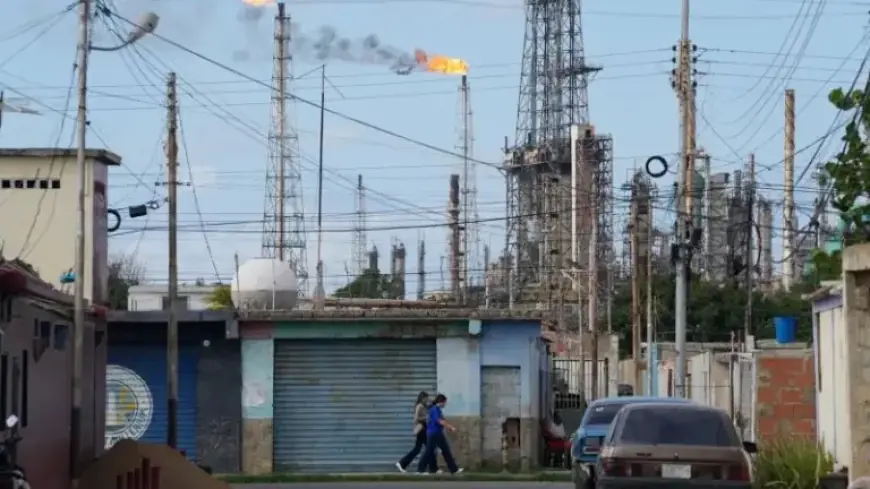
Experts warn that rebuilding Venezuela’s oil infrastructure, much of which has suffered extensive damage, may prove more challenging than the recovery efforts in Iraq.
Challenges Ahead
- Environmental damage around Lake Maracaibo is substantial.
- The Venezuelan oil sector struggles under the weight of corruption and mismanagement.
- Smaller firms, while agile, lack the capital required for infrastructure development.
Senator Marco Rubio has affirmed that the U.S. will not subsidize investments from oil companies. However, the administration is focused on creating a stable environment to attract investment and restore normalcy in the oil economy.
Conclusion
The Trump administration’s approach to Venezuela’s oil resources underscores a stark contrast to the previous administration’s strategy in Iraq. As the U.S. navigates this complex landscape, building trust and ensuring effective collaboration with local stakeholders will be essential for revitalizing Venezuela’s vital oil industry.