























Chris Nicholl’s Death Certificate Revised for Brain Disease Recognition | ITV News

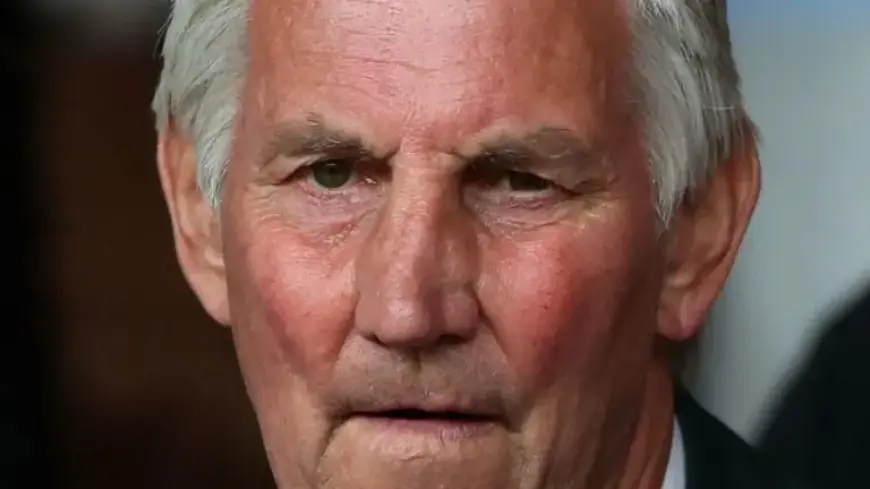
A coroner has revised the death certificate of former international footballer Chris Nicholl, acknowledging that he died from a brain disease related to repeated head injuries. This change follows a long campaign by his family to properly recognize his condition. Nicholl passed away in February 2024 at the age of 77, with initial reports citing a lung infection and bowel condition as causes of death.
Recognition of Chronic Traumatic Encephalopathy
The amended death certificate now states that Nicholl’s passing was due to chronic traumatic encephalopathy (CTE), a degenerative brain disease often linked to contact sports. This revision is significant for Nicholl’s family, who consider it a long-awaited validation of their struggles to seek help for him.
Cathy, Nicholl’s daughter, expressed that this acknowledgment is essential. “It validates what we have suspected for a very long time,” she commented. “While it doesn’t change anything for Dad, it helps us understand the challenges he faced during the last 12 years of his life.”
Chris Nicholl’s Football Career
Nicholl enjoyed a prominent football career, making over 200 appearances for clubs such as Aston Villa and Southampton, where he also served as a manager. He earned 51 international caps representing Northern Ireland. His playing style as a central defender involved significant heading of the ball, a factor cited in the development of his CTE.
Family Reactions and Support Issues
- Cathy noted the struggles with care for Nicholl, who suffered from dementia during his final years.
- The family incurred substantial costs, amounting to £200,000 for his residential care.
- Criticism was directed towards the Professional Footballers’ Association (PFA) for inadequate support for footballers facing brain injuries.
The PFA established The Football Brain Health Fund in 2023, allocating £1 million to assist former players. However, this amount has been deemed insufficient by many, including Nicholl’s family.
The Impact of CTE on Footballers
Jane, Nicholl’s former partner, emphasized the family’s long-term awareness of his deterioration. In a 2017 BBC documentary, Nicholl himself stated, “I am brain-damaged from heading footballs. My memory is in trouble.” His family hopes that the acknowledgment of his condition will raise awareness about brain health among footballers and their families.
This situation highlights a growing concern regarding the long-term effects of football-related injuries. It serves as a reminder of the need for comprehensive support systems for athletes suffering from similar conditions.