























Bruce Springsteen Drops New Song “Streets of Minneapolis” as Fans Rush to Find the Lyrics

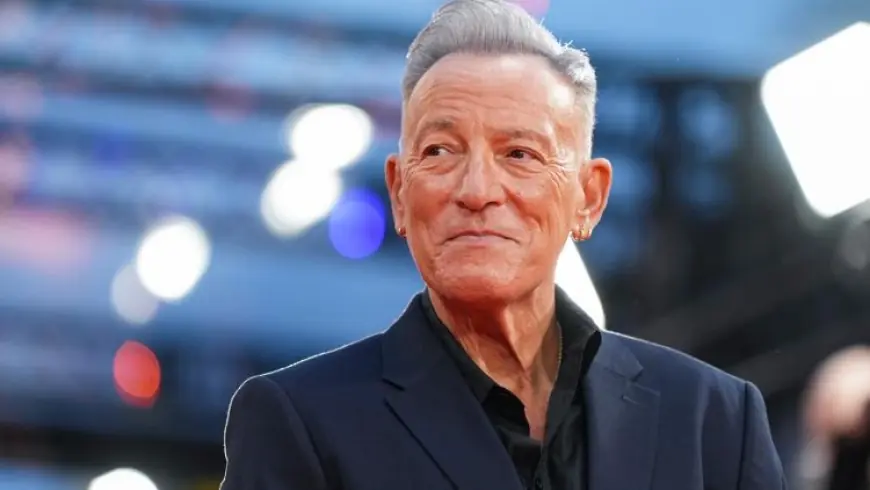
Bruce Springsteen has released a new song, “Streets of Minneapolis,” stepping into a volatile national debate with a track that he says was written and recorded within days. The Bruce Springsteen release is already drawing intense reaction because it directly addresses recent unrest in Minneapolis tied to federal immigration enforcement and the fatal shootings of two people the song names.
Springsteen framed the single as a rapid response to what he called “the state terror being visited on the city of Minneapolis,” dedicating it to “innocent immigrant neighbors” and to the memory of Alex Pretti and Renee Good. Further specifics were not immediately available.
Why “Streets of Minneapolis” arrived now
The song lands amid heightened tension in Minneapolis after a second deadly shooting involving federal immigration agents, a flashpoint that has fueled protests and widened the political divide. Springsteen’s message and the song’s framing make clear he sees the enforcement actions as the central catalyst, and he positions the track as both a memorial and a protest.
The White House has rejected Springsteen’s criticism, saying the administration is focused on cooperation with law enforcement to remove dangerous criminals and dismissing the song as inaccurate. That pushback, combined with the song’s explicit references to federal agencies and senior officials, has helped accelerate the track’s spread beyond music circles into mainstream political conversation.
A full public timeline has not been released detailing the sequence of events surrounding the shootings beyond what authorities and officials have already described.
The sound, the message, and the callbacks in the writing
Musically, “Streets of Minneapolis” starts spare and intimate, then builds toward a fuller arrangement, a structure that mirrors Springsteen’s long-running style when he wants the words to carry the first punch. The arrangement grows from voice and acoustic guitar into a bigger band feel, with a prominent harmonica moment late in the track.
Lyrically, the song paints a winter city under pressure, placing residents and demonstrators at the center of the narrative. It emphasizes remembrance by naming the two people Springsteen says the track honors, and it builds toward a chant-like ending that echoes protest language heard in the streets.
The title also reads as an intentional nod to Springsteen’s earlier work “Streets of Philadelphia,” signaling that he’s again using a city name as shorthand for a broader American crisis. Some specifics have not been publicly clarified about whether the new song is a standalone statement or the start of a larger release plan.
The lyrics search boom, and what can and cannot be shared
As soon as “Streets of Minneapolis” posted, searches for “streets of minneapolis lyrics” and variations like “bruce springsteen streets of minneapolis lyrics” surged. That’s a predictable pattern when a major artist releases a track with explicit political content: listeners want the exact phrasing, not just the headline.
Still, there’s a practical limit to what can be reproduced in full because song lyrics are protected by copyright. What can be responsibly conveyed is the thrust of the writing: the song describes a city confronting armed federal presence, challenges official explanations for the shootings, and repeatedly returns to the idea that communities will remember the people who died. The emotional arc moves from shock and grief to defiance, with Springsteen framing the story as both local and national.
Key terms have not been disclosed publicly about any official lyric-sheet release package beyond the standard availability that typically follows a digital single.
How a weekend-written song becomes a same-week release
Fast-turnaround singles usually follow a tight workflow. An artist writes and records a basic version quickly, then engineers finalize a mix and master designed to translate on phones, cars, and home speakers. From there, the release is delivered to digital distributors, which propagate the track across major listening services while the artist’s team coordinates artwork, messaging, and timing for maximum visibility.
That pipeline is one reason topical songs can now arrive in near real time. It also means the first wave of public discussion often moves faster than official documentation, leaving gaps around things like detailed credits, session notes, or expanded liner commentary.
Who’s affected, and the next milestone people are watching
The stakeholder impact is immediate for at least two groups. Minneapolis residents and immigrant communities are at the center of the events Springsteen references, and the song’s spotlight can intensify both solidarity efforts and political backlash. Fans and the broader music audience are also affected, as the release pulls a cultural conversation into playlists and social spaces where people may not expect a direct confrontation with immigration enforcement policy.
Political leaders and federal agencies face a different kind of impact: the song adds a high-profile cultural artifact that can be cited, criticized, or embraced in organizing and messaging, especially as protests and policy debates continue.
The next verifiable milestone is a benefit concert scheduled for Friday, January 30, 2026, in Minneapolis, with proceeds intended for the families of Good and Pretti. In the days ahead, attention will likely split between any additional official updates about the shootings and whether Springsteen expands the “Streets of Minneapolis” release into a broader project or keeps it as a single, time-stamped statement.