























Melania movie reviews: a loud debate before the critics arrive

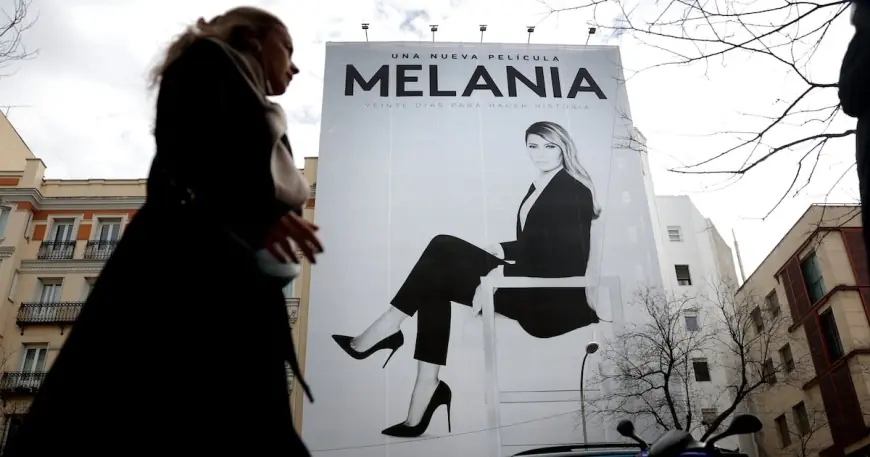
Melania movie reviews are unusually hard to pin down right now because the film’s public conversation has gotten ahead of its official critical reception. The new documentary film titled Melania is set for a wide theatrical debut on Friday, January 30, 2026 ET, but much of what’s circulating online so far reflects politics, controversy, and anticipation rather than traditional, post-screening film criticism.
The review page is still mostly blank — and that’s part of the story
By Thursday, January 29, 2026 ET, at least one major review-aggregation page for Melania still displayed zero published critic reviews and zero verified audience ratings. That does not mean the movie is being ignored; it more often signals timing.
For high-profile releases, professional reviews frequently appear only after press screenings happen or once a review embargo lifts. When that embargo window is still closed, online discussion tends to be driven by trailers, marketing, and personal views of the subject matter rather than assessments of the actual finished film.
Further specifics were not immediately available on the film’s full review-screening schedule or the exact timing of when broad critic write-ups will begin to post publicly.
Pre-release backlash and “review bombing” are shaping the first impressions
Even without widely available critic reviews, the film is already being “rated” in public spaces. In the past week, Melania has drawn a wave of negative pre-release reactions on a popular social film-review app, with many users posting one-star style ratings and hostile comments before most people could realistically have seen the documentary.
That kind of activity is often labeled “review bombing,” where coordinated or emotionally charged reactions flood a page early, making it difficult to separate genuine viewer feedback from political or cultural protest. Some of those pages have been removed or reset during bursts of activity, then reappeared later, which can further confuse anyone searching for a stable snapshot of audience sentiment.
The film has also faced controversy related to its director, Brett Ratner, who has not directed a feature in years after past sexual misconduct allegations were made against him. The reason for the change has not been stated publicly regarding how, or whether, this controversy has altered the film’s promotional strategy and theater rollout.
What the documentary says it is, and what it’s actually showing
The documentary is positioned as an “access” film focused on Melania Trump during a compressed, high-pressure window: roughly the 20 days leading up to the 2025 presidential inauguration and the associated transition back into the White House. Marketing materials emphasize behind-the-scenes planning, meetings, and private moments, framing the project as a look at how she approaches the public role and the machinery around it.
At the same time, early descriptions suggest the film is narrowly scoped to the transition period rather than a comprehensive biography. That matters when people search “reviews,” because many negative reactions online are not about pacing, storytelling, or filmmaking technique; they are about expectations of what the film should reveal and whether it will address controversial topics directly.
A full public timeline has not been released for the documentary’s complete production period, including what access was granted, what was off-limits, and how editorial decisions were made about sensitive material.
How to read early “scores,” and what will matter once reviews go live
Here’s the mechanism that helps explain the current noise: review ecosystems tend to split into two tracks. Professional critics publish full reviews after screenings, and their write-ups are later summarized into aggregate percentages or averages. Audience ratings can come from ticket-verified viewers and from open platforms where anyone can post. When a film becomes politically charged, the open platforms can be dominated early by people who want to send a message, not necessarily evaluate the movie.
That’s why the most useful “reviews” for a new, polarizing documentary usually arrive in layers:
-
First: critic reviews that focus on filmmaking, structure, access, and what’s genuinely new
-
Next: verified audience reactions that reflect people who actually attended screenings
-
Then: broader public commentary that may blend politics with entertainment
This matters to stakeholders in different ways. Moviegoers who simply want to know whether the documentary is informative may need to wait for critics and verified viewers, because early online ratings can be distorted. Theater operators and distributors are watching whether curiosity converts into ticket sales once the film opens widely. And the filmmakers, along with the public figures depicted, face a reputational impact that can be driven as much by online sentiment as by the documentary itself.
The next clear milestone is the theatrical release on January 30, 2026 ET, followed by the first wave of full-length critic reviews after screenings become more widespread and any embargo windows clear.