

























Government shutdown 2026: DHS funding fight pushes Congress toward a Friday deadline

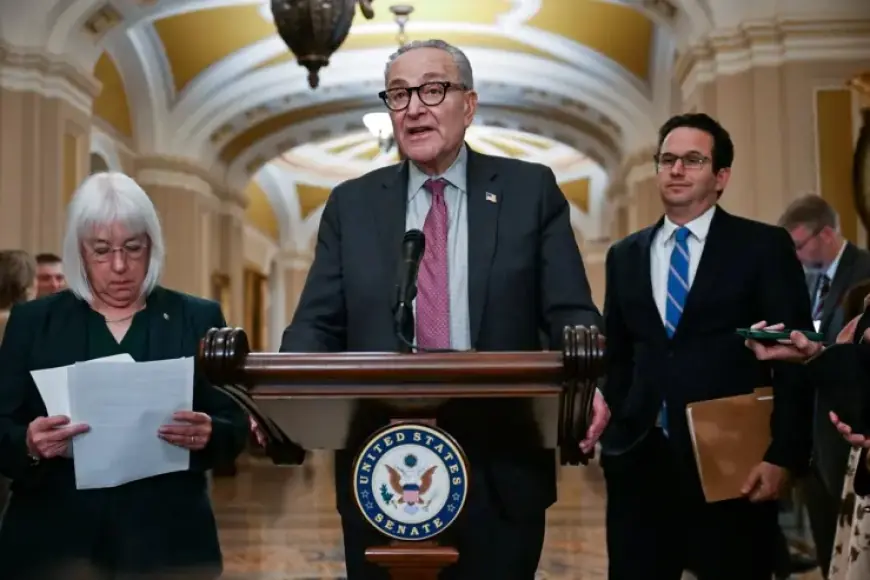
The government shutdown 2026 threat is sharpening in Washington as lawmakers approach a funding deadline of Friday, Jan. 30, 2026, with Homeland Security at the center of the impasse. A broader funding package is on the table, but Senate Democrats are signaling they will not move forward unless the Department of Homeland Security portion is changed or separated, setting up a high-stakes test of whether Congress can pass a deal in time.
This government shutdown update is less about the total size of government funding and more about conditions tied to immigration enforcement, after intense backlash over recent federal actions in Minnesota. Further specifics were not immediately available about what exact text could win enough votes before the deadline.
DHS becomes the fault line for a partial shutdown
The House has already passed a fiscal year 2026 Department of Homeland Security funding bill, approving it on Thursday, Jan. 22, by a 220–207 vote. The measure funds a wide range of DHS operations, from transportation security and disaster response to cybersecurity and immigration-related components.
The controversy is concentrated around Immigration and Customs Enforcement funding and the guardrails lawmakers want to attach to how immigration enforcement is carried out. Even lawmakers who agree the department must be funded are split over whether changes should be written into the spending bill now or debated later in separate legislation.
Key terms have not been disclosed publicly for any last-minute compromise that would reshape DHS funding language without reopening the entire spending package.
Schumer and Senate Democrats press for a carve-out strategy
Senate Democratic leader Chuck Schumer has framed the debate as a choice between a clean path to keep most of the government open and a standoff over DHS provisions that could trigger a shutdown. The core ask from Senate Democrats is to split the Homeland Security bill from the larger bundle, pass the other bills that are broadly ready, and then negotiate a revised DHS measure on a parallel track.
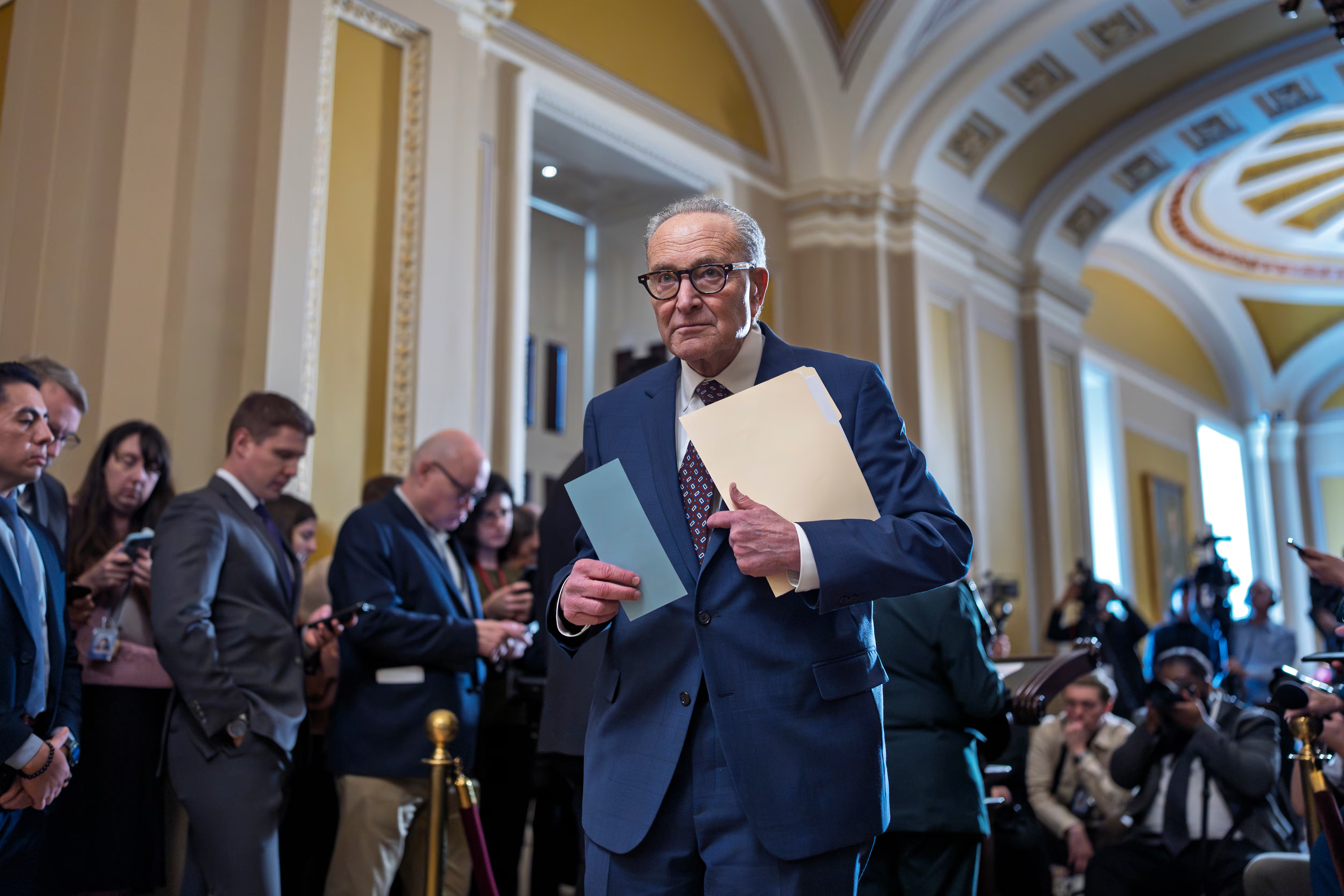
Republicans and the White House have pushed back, arguing that reopening negotiations at the eleventh hour invites instability and could still end in a lapse of appropriations. A Senate procedural vote has been expected this week, but the political math remains tight because moving major spending packages typically requires bipartisan support to clear key hurdles.
One option under discussion would be a short-term extension for certain Homeland Security functions to prevent immediate service gaps, while negotiators keep working on a longer-term DHS agreement. The reason for the change has not been stated publicly in a single, unified explanation, and lawmakers on both sides are emphasizing different priorities.
Seven House Democrats and Tom Suozzi underscore the intraparty squeeze
The House vote exposed a fault line inside the Democratic caucus as seven Democrats joined Republicans to help the DHS funding bill pass. For members from swing districts, the shutdown threat can be politically perilous, and several cited concerns about disruption to essential services.
Rep. Tom Suozzi, one of the Democrats who supported the bill, later said he regretted that vote and acknowledged anger from constituents. His shift has become a talking point for lawmakers pressing to tighten oversight and rules for federal enforcement actions while still avoiding a broader shutdown.
The episode illustrates how shutdown politics often squeeze members from both directions: leaders want votes that keep the government open, while activists and constituents demand immediate leverage on contentious policy disputes.
How a shutdown happens and who feels it first
A shutdown occurs when Congress fails to enact appropriations or a stopgap extension and agencies lose authority to spend. Because some parts of the government already have full-year funding while others remain under temporary funding, the result can be a partial shutdown: some departments continue normal operations, while others curtail nonessential work and furlough portions of their workforce.
The impact would not be evenly distributed. Federal employees and contractors could face furloughs, delayed projects, or uncertainty around pay timing, while travelers could see strain points if transportation security staffing or related support functions become harder to manage. State and local emergency managers who coordinate with federal partners, along with communities reliant on disaster assistance and cybersecurity support, may also feel the effects quickly if a lapse drags on. Immigrant communities and families could face added confusion if enforcement and adjudication-related functions operate under uneven rules or staffing constraints across agencies.
The next milestone is a Senate floor vote or procedural action tied to the funding package before the Friday, Jan. 30 deadline, followed by a House vote if the Senate changes what was previously passed. If leaders opt for a narrow stopgap for Homeland Security, the next concrete checkpoint would be the introduction of that measure and the scheduled vote to pass it through both chambers.