
























Melania Trump documentary film “Melania” faces polarized early buzz as Brett Ratner returns and Stephen Colbert piles on ahead of Jan 30 release

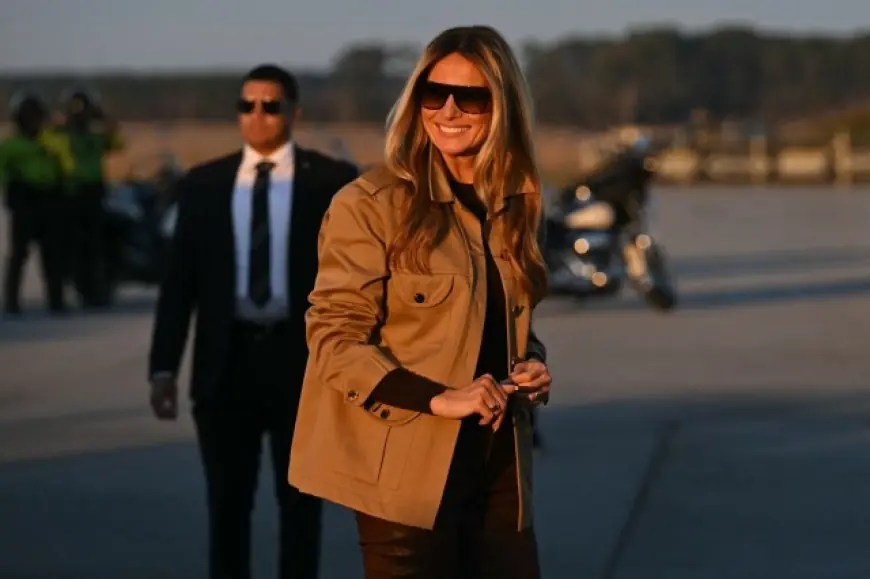
A new Melania Trump documentary titled Melania is set to open Friday, January 30, 2026 ET, and the conversation around it is already turning into a referendum on far more than filmmaking. With director Brett Ratner making a high-profile return to the spotlight and late-night host Stephen Colbert mocking the project in recent commentary, the film is arriving in a cultural moment where politics, celebrity, and media trust are tightly fused.
The result is an unusual dynamic: a movie that is being judged loudly before most people have seen it, with online reactions that look as much like signaling and score-settling as criticism of what’s on screen.
What the Melania Trump documentary is actually about
Melania is framed as a behind-the-scenes chronicle focused on a short, high-intensity window leading into the 2025 presidential inauguration and the transition back into Washington life. The storytelling pitch is intimacy and access: private planning moments, the machinery around security and scheduling, and a look at how the first lady’s role is performed when the cameras are not supposed to be there.
That framing matters because it positions the film as image-management by design. It aims to show competence, composure, and influence while avoiding the kind of overt argument that would turn it into a campaign ad. Even if the movie insists it is not “political,” a first lady’s personal narrative is inherently political simply because of what it chooses to highlight and what it leaves outside the frame.
Brett Ratner’s comeback is inseparable from the film’s reception
Ratner’s involvement is one of the central drivers of the story. He has been accused of sexual misconduct by multiple women dating back to public allegations that surfaced in 2017, and he has denied wrongdoing. Regardless of where audiences land, his return creates a built-in controversy: any project tied to him invites questions about accountability, industry memory, and why certain figures can re-enter the mainstream after years of professional fallout.
For the film’s backers, Ratner brings something specific: a reputation for making glossy, controlled, mainstream entertainment and for managing large productions. For critics, his presence raises the temperature instantly, turning the documentary into a proxy battle over cultural power and consequences.
Melania movie reviews and the pre-release rating war
Early “reviews” are also part of the spectacle. A chunk of the online response appears to be driven by people rating the film sight unseen, a pattern often described as review-bombing. That behavior is difficult to measure cleanly in real time, but the incentives are obvious: ratings have become a political tool because they are fast, public, and easily weaponized.
This is why “Melania movie reviews” is trending as a search phrase ahead of opening weekend. Many people are not looking for a thoughtful critique of pacing or structure. They are looking for a score that confirms their existing view of the Trump orbit, the entertainment industry, or both.
The danger for viewers is that the loudest early signals can drown out legitimate criticism once the broader audience actually sees the film. The danger for the film is that the legitimacy fight becomes the story, making it hard for any nuanced reception to break through.
Where is Melania Trump from
Interest in Melania’s origins is rising alongside interest in the documentary itself, because biographical details become “fresh” again whenever a public figure re-enters the spotlight.
Melania Trump was born in Novo Mesto, in what is now Slovenia, and she grew up in the town of Sevnica. That background has long played two roles in her public narrative: it supports a classic immigrant success storyline for supporters, and it fuels scrutiny and mythmaking for critics who view her as an emblem of elite branding and reinvention.
Behind the headline: incentives, stakeholders, and what’s missing
The incentives are straightforward. For Melania Trump, a documentary offers a chance to define the emotional tone of her public persona on her own terms: measured, private, selective, and polished. For the broader political operation around the administration, it adds a softer cultural channel that can reach audiences who avoid political news entirely.
Stakeholders include theater chains and distributors hoping the film draws curiosity traffic, political allies eager for a favorable portrayal, opponents motivated to mock or undermine the project, and industry figures watching how a controversial director’s comeback lands.
What’s still missing is the clearest data that will decide how this story evolves:
-
Verified opening-weekend audience size and how it compares with expectations
-
Whether the streaming rollout, if planned, changes the film’s reach and perception
-
Whether the conversation settles into film criticism or stays locked in partisan theater
-
How much the documentary reveals about decision-making versus simply staging atmosphere
What happens next: plausible scenarios and triggers
Scenario one: The movie opens stronger than skeptics expect. Trigger: sustained ticket demand through Saturday and Sunday, plus word-of-mouth that frames it as genuinely revealing rather than merely promotional.
Scenario two: The film becomes an online punchline but not a commercial event. Trigger: low turnout combined with a continued flood of performative ratings and late-night mockery.
Scenario three: The Ratner controversy overtakes the film’s content. Trigger: renewed public focus on past allegations, fresh industry commentary, or questions about who enabled the comeback.
Scenario four: The documentary launches a broader media push around first lady initiatives. Trigger: announcements of additional projects tied to the same creative team and access pipeline.
Scenario five: The reception splits cleanly along political identity lines. Trigger: viewers treating the film primarily as a loyalty test rather than an entertainment product.
Melania matters because it is a case study in modern political storytelling: entertainment packaging, selective access, and an audience that often decides what it thinks before the opening credits roll.