

























Nipah Virus Threat: No Vaccine, No Cure – Should We Be Concerned?

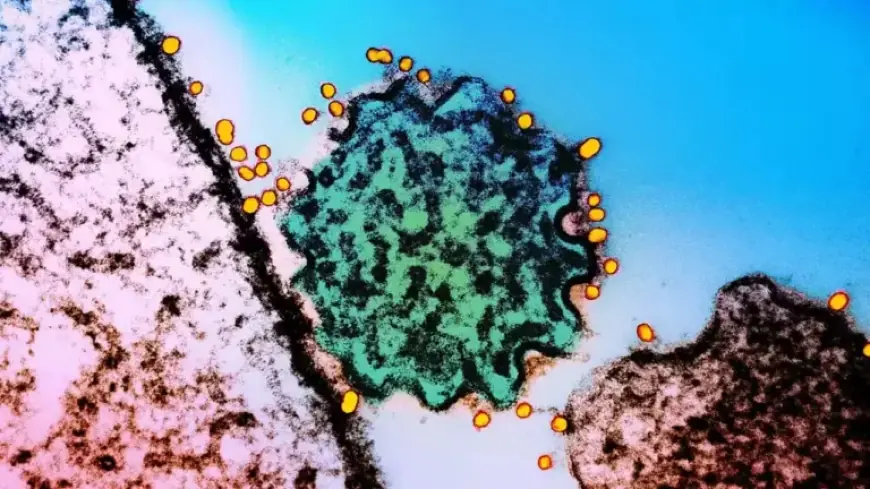
Concerns are rising as new cases of the Nipah virus emerge in India. The recent outbreak has prompted several Asian nations to enhance airport screenings. Despite no known vaccine or cure, experts warn that the virus could pose significant risks if it spreads internationally.
Nipah Virus Overview
The Nipah virus, first identified in Malaysia in 1999, is a zoonotic virus, meaning it can transfer from animals to humans. This transmission occurs primarily through contact with infected animals, particularly bats and pigs, and their bodily fluids. Humans may contract the virus by consuming contaminated food, such as fruit tainted by these animals. For instance, outbreaks in Bangladesh have been connected to raw date palm sap infected by fruit bats.
Current Situation in India
India’s health ministry confirmed two cases of Nipah virus this week. Health officials are monitoring nearly 200 individuals closely associated with these cases. Dr. Subarna Goswami from Darjeeling Tuberculosis Hospital emphasized the urgency of tracing, testing, and quarantining contacts.
Dangers and Mortality Rate
The Nipah virus is considered highly dangerous. There is currently no effective treatment, and the fatality rate varies between 40% and 75%. According to the CDC, 750 cases have been reported since the virus’s discovery, leading to 415 deaths.
Transmission and Symptoms
- Transmission mainly occurs through close contact, particularly when caring for an infected person.
- Symptoms include fever, headache, cough, muscle aches, and breathing difficulties.
- Encephalitis, caused by the virus, presents severe complications and can lead to long-term effects, including seizures.
Preventative Measures
Since there are no vaccines or antidotes available, prevention remains crucial. Individuals traveling to regions where the Nipah virus is present should be cautious. Recommendations include:
- Avoid consuming unprocessed drinks that could be contaminated.
- Practice hygiene when eating fruits and foods that might be affected by bats.
Outlook on Nipah Virus Spread
Experts indicate that while the Nipah virus has a high fatality rate, it hasn’t shown a capability for widespread human-to-human transmission. However, its long incubation period complicates efforts to trace and manage outbreaks, particularly at international borders. Thus, vigilance remains essential in the face of this health threat.
For comprehensive coverage on health and safety, follow Filmogaz.com for the latest updates and information.