























Are Trump’s Tariffs Boosting China and India’s Trade Deals?

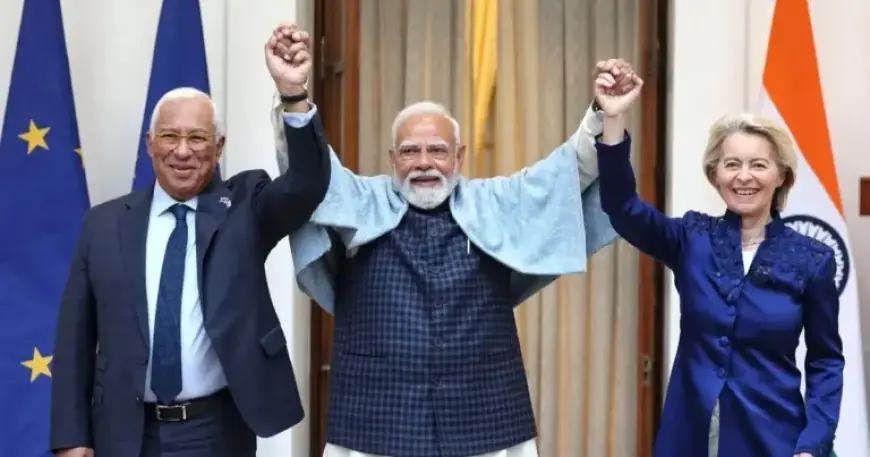
Recent geopolitical shifts in trade policies have impacted global economic dynamics significantly. A standout development is the new free trade agreement between the European Union (EU) and India, celebrated as a monumental milestone. This deal is expected to enhance bilateral trade and strengthen economic ties between the two regions.
India and the EU Forge a Historic Free Trade Agreement
On January 27, 2026, Indian Prime Minister Narendra Modi and European leaders finalized a free trade agreement in New Delhi. This agreement has been described by EU officials as the “mother of all deals,” and is expected to reshape trade relations between the two regions.
This free trade initiative is particularly notable as it was finalized after nearly twenty years of negotiations. The comprehensive deal aims to lower tariffs on a variety of products, including textiles, leather, automotive goods, and agricultural products. Tariffs will be reduced from as high as 110% to just 10% for certain imported vehicles from the EU.
Key Features of the Agreement
- Tariffs on textiles, apparel, and engineering goods will be significantly reduced.
- India will lower tariffs on imported wine, beer, and olive oil from the EU.
- The deal is anticipated to enhance market access, benefiting farmers and small businesses in India.
- Bilateral trade between the EU and India was valued at around $137 billion in 2024-25.
- India and the EU together represent approximately 25% of the global GDP.
According to Modi, the agreement aims to deepen connections between the world’s largest democracies, creating new economic avenues and reinforcing partnerships.
Geopolitical Implications of Trump’s Tariffs
The newfound momentum between India and the EU appears influenced by shifts in U.S. trade policies under President Trump. His administration’s reliance on tariffs has affected business dynamics worldwide, prompting nations to seek alternative economic partnerships.
As reported, many countries facing uncertainty due to U.S. tariffs are pivoting towards China and other nations. Analysts indicate this shift could result in strengthened global trade relationships, albeit with concerns regarding China’s reliability as a trade partner.
Other Recent Developments
Beyond the India-EU agreement, recent months have seen similar trends. Countries like the U.K. and Canada have also engaged with China to mitigate the unpredictabilities stemming from U.S. trade policies. This includes Prime Minister Keir Starmer’s recent visit to China, marking the first by a U.K. leader in several years.
Conclusion
As global trade continues to evolve, it is clear that President Trump’s tariffs have catalyzed new bilateral agreements. The landmark deal between India and the EU exemplifies the trend of nations seeking diversified trade relationships in response to uncertainty. This recalibration of trade alliances may reshape the future landscape of global commerce.