

























Queensland Farm Thrives as US Wellness Industry Embraces Camel Milk

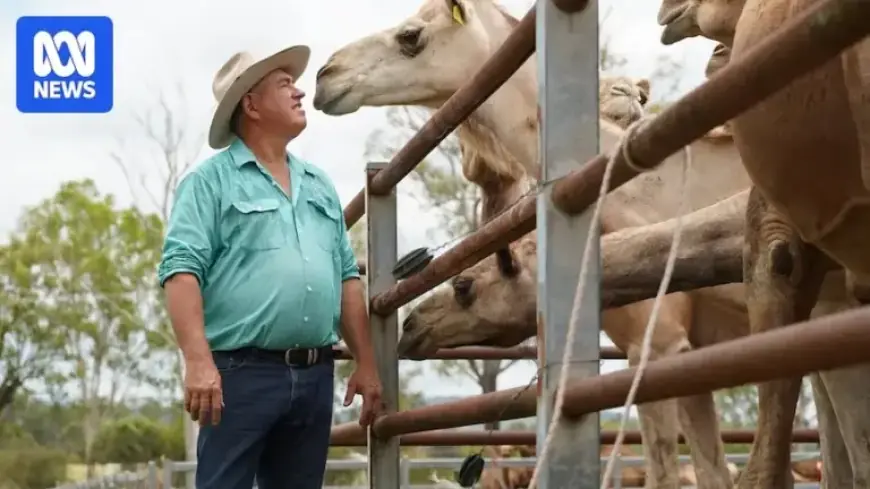
A camel farm in southeast Queensland is set to make history by exporting camel milk to the United States. Summer Land Camels, located in the Scenic Rim near Ipswich, aims to initiate shipments to California by the year’s end. The farm houses approximately 300 camels, with 250 dedicated to milk production.
First Camel Milk Exports to the US
Owner Paul Martin plans to export between 30,000 to 60,000 liters of camel milk annually to the US. He expressed optimism about becoming the first accredited facility to provide fresh (but frozen) camel milk to American consumers. This initiative reflects a broader perspective on managing Australia’s substantial feral camel population, which numbers over one million, rather than culling them.
The Role of Feral Camels
- Australia has an estimated 1 million feral camels.
- Feral camels were introduced 180 years ago for transportation.
- Summer Land Camels rescues some of these camels for milking.
Martin’s farm, which has developed into a significant tourist attraction, showcases a transformation from past practices of culling camels to their utilization in milk production. Camel milk’s lower lactose content makes it more digestible for some consumers, though it has a saltier taste than cow’s milk. The farm even offers coffee made with camel milk to visitors.
Emerging Market for Camel Milk
The US market for camel milk is rapidly growing, particularly among health-conscious consumers and communities familiar with the product. Martin noted that alternative dairy products are gaining traction in the US, with significant populations from China and Somalia being noteworthy consumers.
Preparation for US Market
To meet the upcoming demand, Summer Land Camels will require facility upgrades. Currently operating with an artisan approach, Martin plans to automate the bottling process and increase milking frequency from once daily to twice. This expansion will necessitate hiring more staff as well.
Global Demand for Australian Products
Agriculture expert Professor Ben Lyons from the University of Southern Queensland emphasizes the potential for unique Australian products like camel milk in global markets. Lyons pointed out that Australian farmers excel in producing high-quality goods and adapting to challenging climates.
- High demand for unique, high-quality products.
- Potential to diversify away from traditional farming sectors.
- Long-established industries started as niche products.
Professor Lyons believes that consolidating production fundamentals will allow Australian farmers to explore new export opportunities. Camel dairy is just one example of this diversification trend.
Future Plans for Expansion
Beyond the US, Martin has broader ambitions for his camel milk brand. He intends to take part in a trade mission to Singapore next month and is exploring powdered camel milk products aimed at the Chinese market. The goal is to establish a seamless supply chain to facilitate fresh milk exports directly from Brisbane Airport.
In conclusion, the successful export of camel milk from Queensland to the US marks a pivotal moment in the emerging wellness industry. This venture not only represents a new revenue stream but also offers innovative ways to manage Australia’s camel population sustainably.