





















Cyprus: Navigating the Complex Maze

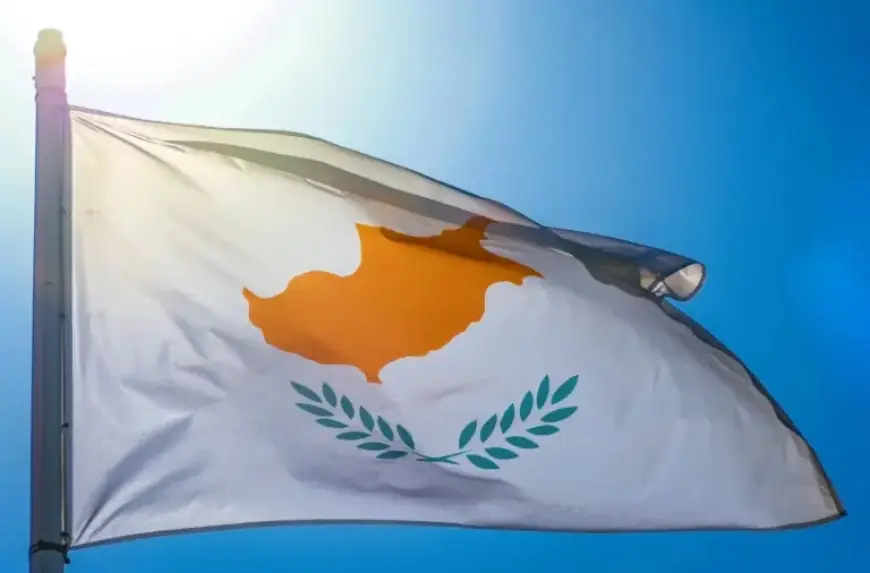
The recent election in Cyprus marked a significant moment in the island’s political landscape. Nikos Chrystodoulides, a 50-year-old politician, was inaugurated as president on 28 February 2023. His candidacy as an independent was viewed as a beacon of hope by citizens who desired to see an end to persistent corruption and political cronyism, commonly referred to as Politicocracy (Kommatokratia).
Citizens’ Hopes and Expectations
As voters approached polling stations, they were filled with optimism. They believed they were voting for a leader who would initiate a much-needed transformation. Many hoped for a government that would prioritize the needs of the populace and address the widespread corruption that had long plagued Cyprus.
A Controversial Political Strategy
Despite these high hopes, Chrystodoulides’ election has raised questions about his commitment to genuine change. Previously the Foreign Minister under President Anastasiades, he distanced himself from the previous government to present himself as an independent candidate. This strategic maneuver allowed him to appeal to a broader electoral base.
- Chrystodoulides served as the spokesman for the previous administration from 2013 to 2018.
- He resigned from his government position prior to announcing his candidacy.
- After his election, he received 51.92% of the vote in a tightly contested race.
Political Ambiguities and Challenges
Three years into his presidency, many citizens feel disillusioned. Political ambiguities have emerged, especially regarding the handling of the island’s longstanding division. The aspiration for a Bi-Zonal, Bi-communal Federation has created expectations of EU intervention, yet real progress on unification remains elusive.
Chrystodoulides’ administration’s alignment with EU policies has led critics to question his commitment to address domestic issues. Instead of focusing on the needs of Cypriots, he has emphasized EU institutional improvements.
Turkey’s Growing Influence
Current geopolitical tensions, particularly regarding Turkey, complicate Cyprus’ situation. President Erdogan’s ambitions for the occupied areas pose significant challenges to the island’s sovereignty. The potential for Turkey to assert more control puts Greek Cypriots and their cultural identity at risk.
- Turkey’s military occupation is a central issue in Cyprus.
- Negotiations for reunification have repeatedly stalled.
- Economic sanctions may be necessary to assert Cyprus’ position internationally.
A Need for Political Reform
The current government must reconsider its strategies to address both domestic and foreign challenges effectively. There is a growing consensus that the administration must adopt a robust national defense strategy to address Turkey’s expanding influence.
Amidst ongoing international political shifts, Cyprus urgently needs to reform and engage more assertively in its foreign policy. The historical wounds from Turkey’s invasion and occupation must not be brushed aside as the country navigates complex political waters. Only through addressing these issues can Cyprus aspire to achieve lasting peace and stability.