
























Federal Reserve Holds Rates Steady, Resisting Trump’s Pressure

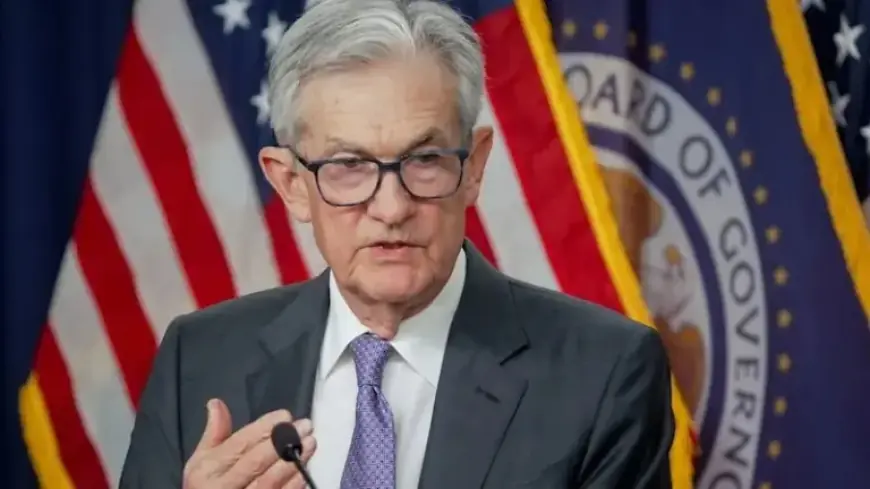
The Federal Reserve has decided to maintain its key interest rate at approximately 3.6%, refraining from further cuts after three reductions last year. The central bank cited a stabilizing job market and healthy economic growth as reasons for this decision, a notable shift from previous assessments of “modest” growth. This pause indicates a cautious approach amid ongoing inflation concerns.
Federal Reserve’s Interest Rate Decision
This decision emerges amidst a backdrop of increasing pressure from President Donald Trump, who has openly criticized the Fed’s slow pace in reducing rates. Market observers are keenly awaiting comments from Chair Jerome Powell, who will address the media following the Fed’s announcement.
Inflation and Economic Growth
According to the Fed’s preferred metric, inflation stands at 2.8% as of November. While this is slightly above the Fed’s target of 2%, officials are hesitant to make swift changes to monetary policy. The central bank aims to ensure further reductions are warranted by observing trends in inflation rates and job growth.
Internal Disagreements
- Two Federal Reserve governors dissented from the rate decision, favoring a quarter-point cut.
- Governors Stephen Miran and Christopher Waller expressed their preferences for a more aggressive rate reduction.
Miran was appointed by Trump in September and has consistently favored deeper cuts. Waller is also under consideration for the role of Fed Chair, with Powell’s term ending in May.
Responses to Administration Pressure
The Fed’s choice to hold rates steady could provoke further criticism from the Trump administration. Trump has called for more significant monetary easing to stimulate economic growth, particularly as recent trade policies and tariffs have created additional complexity for monetary policy.
Market Reactions and Future Outlook
As the Federal Reserve navigates these pressures, economists predict that the committee may cut rates again later this year, potentially in June. However, many officials urge caution until inflation shows definitive signs of decline.
Consumer Confidence and Economic Indicators
Despite positive growth indicators, consumer sentiment remains fragile. The Conference Board recently reported a drop in consumer confidence to its lowest level in eleven years, reflecting concerns about the broader economic landscape.
The Fed’s ability to maintain independence in its policy decisions is crucial, especially in light of ongoing scrutiny from the White House. Powell reinforced this commitment, stating his dedication to preserving the integrity of the Federal Reserve.
As the economic situation evolves, market participants and policymakers will keep a close watch on further developments from the Federal Reserve and the administration’s influence on monetary policy.