























Todd Monken Named Browns Head Coach, Leaving Jim Schwartz in Limbo and Forcing Giants to Pivot as Shedeur Sanders Becomes a Franchise Focus

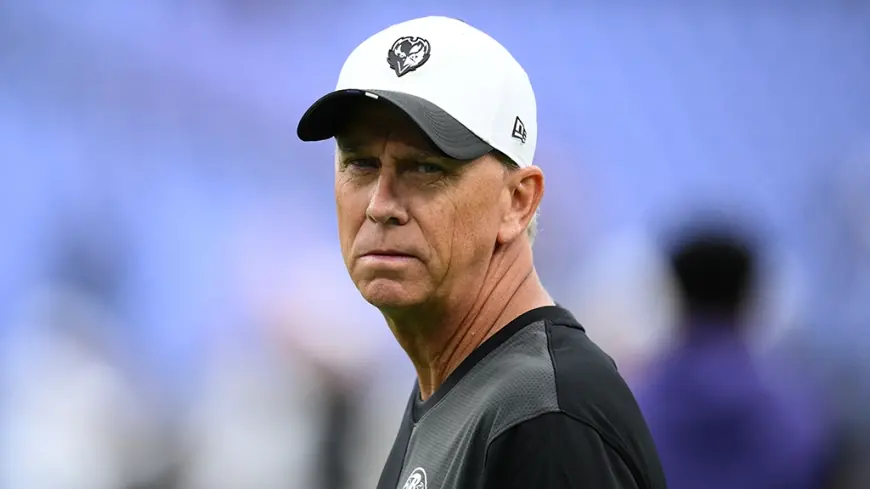
The Cleveland Browns have made their biggest move of the winter, naming Todd Monken as the team’s next head coach and handing him the job of resetting a franchise that stumbled through a 5–12 season. The hire immediately reshapes more than Cleveland’s sideline: it alters the New York Giants’ offensive coordinator plans, leaves Browns defensive coordinator Jim Schwartz at a crossroads, and turns the quarterback room led by Shedeur Sanders into the defining early test of Monken’s tenure.
What happened: Browns hire Todd Monken after a messy search
Monken, 59, arrives as a respected offensive architect with recent success and a résumé that spans both the NFL and college football. He takes over after Kevin Stefanski’s dismissal, a change that signals the Browns are prioritizing a new voice, a new structure, and a different pace of decision-making inside the building.
Behind the headline is the subtext Cleveland couldn’t hide: this was a prolonged search that included multiple candidates and, at points, felt like it was drifting. By choosing Monken, the Browns are betting that credibility and a clear offensive identity can stabilize a locker room that has lived through constant resets.
Todd Monken coaching history: why Cleveland thinks he’s the answer
Monken’s appeal is not one stop or one scheme. It’s the pattern: he has repeatedly walked into programs that needed a jolt and delivered more functional offense.
A quick snapshot of the path that matters most to Cleveland:
-
College head coach at Southern Miss, where he led a turnaround in difficult circumstances
-
NFL offensive coordinator work in Tampa Bay that emphasized spacing, tempo, and matchup creation
-
A prior stint in Cleveland as offensive coordinator, giving him familiarity with the organization’s expectations
-
College offensive coordinator at Georgia during a title-winning run built on physicality and QB development
-
NFL offensive coordinator in Baltimore, where he helped modernize an attack around Lamar Jackson’s strengths
The Browns are hiring that portability: an offense that can morph to fit personnel, rather than forcing personnel to fit a single rigid system.
Jim Schwartz and the Browns staff question: keep the defense intact or start over?
Schwartz was a finalist for the head job, and now his future is one of Monken’s first personnel decisions. Keeping Schwartz would preserve continuity for a defense that has been the team’s backbone, and it would also reduce the churn that often follows a coaching change.
But there’s a second layer: power dynamics. A veteran coordinator who believed he had a real shot at the top job may not be eager to stay unless roles, authority, and future pathways are clarified quickly. The Browns have to decide whether they want a clean break or a “best of both worlds” approach that keeps the defense stable while Monken rebuilds the offense.
Shedeur Sanders, the Browns quarterback room, and why the trade rumors won’t stop
The most immediate football question is the one that drives the most headlines: who is the Browns quarterback, and what does Monken want?
Shedeur Sanders is at the center of that conversation because he represents the only path to a low-cost, high-upside future if he develops into a reliable starter. Cleveland also has to manage the return of Deshaun Watson from an Achilles injury, plus the reality that young quarterbacks rarely grow in a straight line when the organization changes systems and voices around them.
This is why “Giannis trade rumor” style chatter exists in the NFL too: the league treats quarterback uncertainty like a market opportunity. If Monken believes Sanders is the long-term answer, the Browns will build an offense that makes reads cleaner, emphasizes timing, and rewards quick decision-making. If he doesn’t, the team’s draft and veteran options will instantly become the lead story of the offseason.
Giants offensive coordinator ripple: Monken’s hire changes New York’s plans
Monken’s move to Cleveland forces the Giants to pivot in their offensive coordinator search. New York hired John Harbaugh as head coach earlier this month, and the expectation around the league was that Harbaugh would seek a trusted offensive partner with proven structure. Monken was viewed as a natural fit because of shared history and schematic compatibility.
Now the Giants must decide whether to chase a similar style of coordinator or to take a different swing entirely. In practical terms, that means their candidates will be judged against a “Monken standard” even though he’s no longer available.
Ravens head coach context: why the Monken tree keeps growing
Monken’s departure from Baltimore lands in a broader AFC North coaching shuffle. The Ravens moved on from John Harbaugh in early January and have since installed Jesse Minter as head coach, opening a new chapter that will also require offensive continuity choices. The Browns are effectively importing a piece of the recent Ravens ecosystem while the Ravens themselves are rebuilding their leadership structure.
Second-order effect: when one coaching tree is in motion, assistants and position coaches move too. Expect staffing battles, lateral interviews, and surprise departures as teams race to fill coordinator rooms before free agency and draft preparation hit full speed.
What we still don’t know
Several key details will determine whether this hire looks like a clean fix or the start of another cycle:
-
Whether Jim Schwartz stays as defensive coordinator and on what terms
-
Who Monken selects as offensive coordinator and quarterbacks coach
-
How the Browns define Watson’s role versus Sanders’ development track
-
Whether Cleveland prioritizes immediate veteran additions or a slower roster reset
-
How ownership and the front office align on timeline and patience
What happens next: realistic scenarios and triggers
-
Continuity play on defense
Trigger: Schwartz stays, and Cleveland sells stability while rebuilding the offense. -
Full staff reset
Trigger: Schwartz leaves, Monken installs his own system end-to-end, and the Browns accept short-term turbulence. -
Sanders accelerated development plan
Trigger: Monken publicly commits to a clear QB growth path, tailoring scheme and offseason reps to Sanders. -
Veteran quarterback insurance move
Trigger: uncertainty about Watson’s recovery or readiness pushes Cleveland toward a proven backup or bridge option. -
Giants offensive coordinator dominoes
Trigger: New York moves quickly to secure a top candidate, sparking a secondary market of coordinator hires elsewhere.
Why it matters: Cleveland didn’t just hire a coach. It chose a philosophy that puts offensive identity and quarterback development at the center of its rebuild. Todd Monken’s first months will be judged less by press conferences and more by two decisions that define modern franchises: who calls the offense, and who takes the snaps when it matters.