






















Giannis Antetokounmpo Trade Rumors Explode Ahead of the NBA Trade Deadline as Bucks Weigh a Franchise-Defining Move

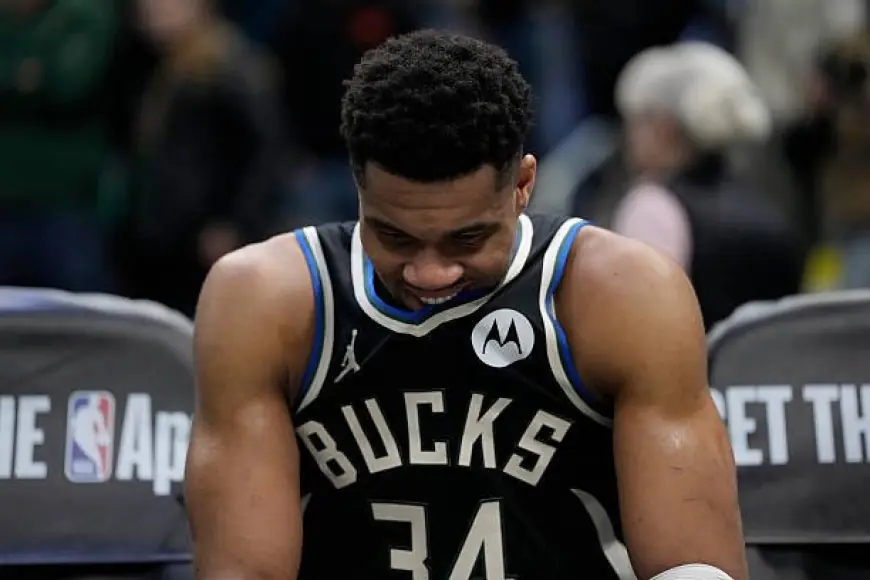
With the NBA trade deadline set for Thursday, February 5, 2026 at 3:00 p.m. ET, the league’s biggest question has narrowed to one name: Giannis Antetokounmpo. Fresh reporting and leaguewide chatter have pushed the situation from “background noise” to a full-blown countdown, with the Milwaukee Bucks increasingly viewed as a team at a crossroads — and Giannis’ health now tied directly to how aggressive, how patient, and how realistic any deal can be.
The headline is simple: a two-time MVP may be available. The reality is far messier, because the Bucks have to decide whether they’re still building around Giannis or building after him — and the rest of the league is already positioning itself for whichever answer comes first.
Giannis injury update: why the calf strain changes everything
The Giannis injury piece is not a side note. Antetokounmpo is sidelined with a right calf strain, and public comments from the team have emphasized uncertainty on a precise return date, with an expectation measured in weeks, not days. That uncertainty matters because any team trading for him is not just buying his production — it’s buying his medical outlook, his ramp-up, and his ability to be Giannis again at full tilt.
Even if the injury is not considered long-term, it introduces three immediate complications:
-
Due diligence pressure: medical review becomes a bigger bargaining chip than usual
-
Short-term leverage swing: contenders may hesitate to overpay if he can’t help immediately
-
Narrative risk: if Milwaukee struggles without him, trade pressure intensifies; if they stabilize, the front office can argue for patience
Bucks reality check: why Milwaukee is even in this conversation
The Milwaukee Bucks are not trading a player like Giannis unless the internal math has shifted. The season has been rough by contender standards, and the organization is staring at a familiar problem in today’s NBA: when the roster isn’t quite good enough to win it all, it can also be too expensive and too old to easily reshape.
This is where Doc Rivers becomes part of the story. Coaches don’t make trades, but they do set the tone publicly and internally: how the team frames Giannis’ health, how it talks about urgency, and whether the season is positioned as salvageable or transitional. When a franchise is teetering, every “no timetable” update and every cautious quote gets interpreted as either medical honesty or softening the ground for change.
Behind the headline: incentives driving a potential Giannis trade
A Giannis trade isn’t just a basketball move — it’s a collision of incentives.
Giannis’ incentive: maximize his chance to contend during his prime window. If he believes Milwaukee’s path to a title is narrowing, the rational move is to seek a situation with a clearer runway: elite co-stars, stable roster, and a system that survives injuries and cold stretches.
Bucks’ incentive: avoid the worst outcome — keeping a superstar who is no longer fully bought in, while the roster value erodes. If Milwaukee believes the championship ceiling is slipping, the cleanest reset is the one that returns young players, controllable contracts, and a massive haul of draft picks.
Other teams’ incentive: a player of this magnitude rarely becomes plausibly available. Front offices that hesitate can lose seasons. Front offices that overbid can lose flexibility for a decade.
NBA trade rumors: what a real offer has to include
The giannis trade rumors are easy. A real trade is brutally hard.
Any credible package generally has to check four boxes:
-
Blue-chip young talent (not just prospects, but players who can start immediately)
-
Draft pick volume (multiple first-rounders, often with swaps)
-
Salary structure that doesn’t cripple Milwaukee (contracts that can be rerouted or held)
-
A believable plan for Giannis long-term (because a rental price is lower than an extension price)
That last point is the quiet leverage play: if Giannis is willing to commit to a new team beyond this season, the bidding gets crazier. If not, contenders may cap their offers.
What we still don’t know
Despite the noise, the biggest missing pieces are straightforward:
-
Has Giannis privately told Milwaukee he wants out now, or is this still exploratory?
-
How severe is the calf strain, and what does “return in weeks” really mean in game shape?
-
Which teams are truly willing to empty the vault, rather than making “headline offers”?
-
Would Milwaukee prefer to wait for the offseason when more teams can participate?
-
How much does Milwaukee value staying competitive now versus fully resetting?
Until those answers firm up, the rumor market will keep outrunning the actual market.
What happens next: 5 realistic scenarios before and after the NBA trade deadline
-
Milwaukee listens, then holds
Trigger: offers don’t meet the “franchise reset” threshold, or medical uncertainty chills bidding. -
A blockbuster lands right at the deadline buzzer
Trigger: one contender decides the title race is open and pays a premium for Giannis’ upside. -
A smaller Bucks move signals direction
Trigger: Milwaukee trades rotation pieces to reshape the roster, implying Giannis stays. -
Giannis injury timeline becomes the deciding factor
Trigger: a clearer return window boosts confidence and raises the best offer on the table. -
Offseason becomes the real battlefield
Trigger: the Bucks prefer a wider bidding war and better draft positioning leverage.
Why it matters: if Giannis moves, it won’t just reshuffle one team — it will reshape the entire trade market. Stars become more gettable, role players become more valuable, and contenders either consolidate power or collapse under the cost of chasing it. The next week isn’t just about the Bucks. It’s about how the league decides championships will be bought — with patience, with pressure, or with one historic swing at 3:00 p.m. ET.