






















Giannis Antetokounmpo Trade Rumors Hit a New Peak Before the NBA Trade Deadline as Bucks Face a Franchise Pivot

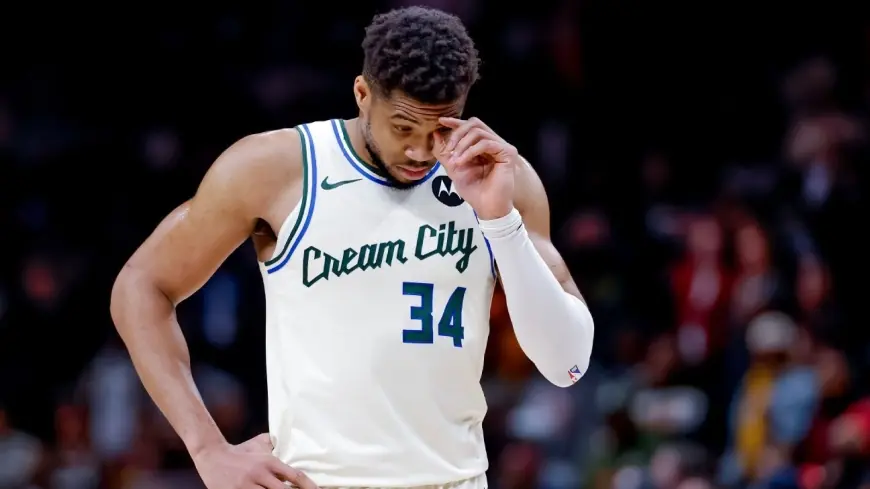
The NBA trade deadline is now a live countdown, and no name is reshaping the market like Giannis Antetokounmpo. With the deadline set for Thursday, February 5, 2026 at 3:00 p.m. ET, the Milwaukee Bucks are staring at a decision that goes beyond one season: push all-in around a hurt superstar and hope for a late surge, or accept that the roster’s ceiling has shifted and explore the kind of blockbuster that resets the franchise for a decade.
What makes this moment different from the usual rumor churn is the convergence of three realities: Milwaukee’s disappointing record, the sheer volume of teams ready to bid, and the uncertainty created by Giannis’ right calf strain.
NBA trade deadline: why Feb. 5 is forcing action now
Deadline week compresses every negotiation into an urgency test. Teams that believe they can contend want clarity on availability, medical outlook, and price. Teams that are struggling want leverage, not panic. For Milwaukee, the deadline does not require a trade, but it does change the bargaining table: contenders can pay now to chase a title this spring, while rebuilding teams can wait for the offseason when cap maneuvering and draft picks become easier to move.
That’s why “wait until summer” is a credible threat from the Bucks — and why buyers are trying to force a decision before February 5.
Giannis injury: the calf strain that complicates every offer
Antetokounmpo is currently sidelined with a right calf strain. Public comments from within the team have pointed to a return timeline measured in weeks, with a rough expectation in the four-to-six-week range. That matters because any team trading for him is not trading for a stat line. It’s trading for a medical trajectory, a conditioning ramp-up, and the question of how quickly he can return to peak force.
In practical terms, the injury changes leverage in both directions:
-
For Milwaukee: fewer games before the deadline can amplify a sense of drift, which strengthens the argument for a reset.
-
For buyers: the medical unknown raises the risk of paying a historic price for a player who may not be fully available until late in the season.
Bucks reality: why Milwaukee is even at this crossroads
Milwaukee is hovering around 18–27, sitting outside the comfortable playoff picture and facing the possibility of missing the postseason entirely. For a franchise built around a win-now core, that’s not a “retool” sign — it’s an alarm.
This is where Doc Rivers becomes central to the storyline. Coaches don’t finalize trades, but they do shape the team’s posture: how the injury is framed, how urgency is communicated, and whether the season is sold internally as salvageable or slipping away. Rivers has publicly emphasized the calf issue as a recurring concern while also describing Giannis as intensely competitive and eager to play through discomfort — a combination that signals both the star’s mindset and the staff’s caution.
Behind the headline: incentives driving a potential Giannis trade
A Giannis trade is the ultimate clash of incentives.
Giannis’ incentive: maximize championship probability during his prime years. That means a stable roster, high-end co-stars, and an organization aligned around winning immediately — not just hoping.
Bucks’ incentive: avoid the slow bleed. The nightmare scenario for any small-market franchise is holding a superstar while the roster value around him declines and future flexibility disappears. If Milwaukee believes its title path has narrowed, the rational move is to convert one asset into many: young talent, draft control, and contracts that can be moved again.
Leaguewide incentive: teams rarely get a shot at a player who can change the balance of power overnight. Even teams that aren’t perfect fits will explore it, because a top-five player changes everything.
What a real Giannis trade package has to include
If Milwaukee seriously engages, the bar won’t be “good players.” It will be “franchise restart.”
A credible offer typically needs:
-
A young cornerstone who can be the face of the next era
-
Multiple first-round picks plus swaps to regain draft control
-
Salary structure that preserves flexibility rather than locking Milwaukee into dead money
-
A clear long-term pathway for the acquiring team, because the price rises sharply if Giannis is expected to stay beyond the current season
What we still don’t know
Even with the noise at full volume, the missing pieces are straightforward — and decisive:
-
Whether Milwaukee is truly willing to move Giannis before February 5 or prefers an offseason auction
-
How firm the calf timetable is once he returns to full-contact work
-
Which bidders are offering true “restart” packages versus headline-grabbing proposals
-
Whether Milwaukee’s front office and coaching staff are aligned on timeline and risk tolerance
What happens next: 5 realistic scenarios and the triggers
-
Bucks hold the line through the deadline
Trigger: offers fall short of a historic package, or Milwaukee believes Giannis can return soon enough to push for a run. -
A deadline-day blockbuster
Trigger: one contender decides the title race is open and pays the premium to secure the league’s most powerful two-way force. -
Milwaukee makes smaller trades that signal direction
Trigger: the Bucks move rotation pieces for flexibility, indicating whether they’re building around Giannis immediately or bracing for a pivot. -
Medical clarity swings the market
Trigger: stronger confidence in the calf return timeline boosts bidders’ willingness to include top assets. -
Offseason becomes the true battleground
Trigger: Milwaukee chooses maximum leverage, betting that more teams can bid when draft positioning and roster rules are cleaner.
Why it matters: if Giannis moves, it won’t just change one team. It will reprice stars across the league, reshape playoff odds, and set the tone for how aggressively franchises are willing to gamble on greatness — even when a calf strain and a calendar are both applying pressure.