




















Patrick Reed Leaves LIV Golf and Maps a Route Back to the PGA Tour

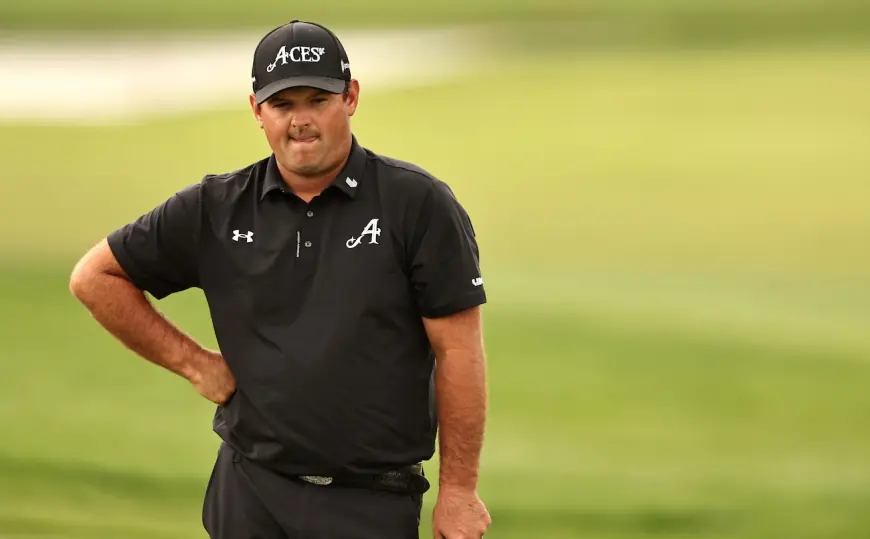
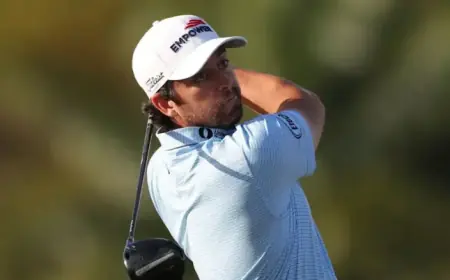
Patrick Reed is stepping away from LIV Golf and setting his sights on a return to the PGA Tour, a decision that reshapes his 2026 schedule and reopens a long-running debate about where elite men’s golf is headed. On Wednesday, Jan. 28, 2026, Reed confirmed he will not play on LIV this season and intends to pursue PGA Tour membership again for 2027, with a bridge year built around the DP World Tour.
The move comes days after Reed’s four-shot win at the Hero Dubai Desert Classic, a result that boosted his world ranking and sharpened the competitive logic behind his next steps. Key terms have not been disclosed publicly regarding any exit arrangements tied to his previous LIV contract.
A breakaway-era decision swings back toward traditional tours
Reed was one of the most prominent early jumpers to LIV Golf when the breakaway circuit launched, leaving the PGA Tour in 2022 and becoming a regular for the 4 Aces team. Now, with his latest announcement, he becomes the latest major champion to move away from LIV after multiple seasons, choosing a path that prioritizes access, schedule stability, and a clearer runway into the sport’s biggest events.
LIV Golf acknowledged the separation in brief terms, indicating the sides did not reach an agreement on an extension. The financial details of Reed’s past LIV agreement, and any changes to his compensation structure moving forward, have not been stated publicly.
Reed, 35, is a nine-time PGA Tour winner and the 2018 Masters champion. That résumé still carries significant weight in the sport’s ecosystem, but the last few years have shown how quickly access to events, points, and status can get complicated when a player’s schedule lives outside the traditional tour framework.
How the PGA Tour return pathway works in practice
Reed’s situation hinges on process as much as performance. In general, the PGA Tour treats reinstatement differently depending on how a player left and whether any disciplinary action was involved. Because Reed resigned from membership rather than being suspended, he is eligible to compete again under a defined timeline, starting with the ability to enter PGA Tour events as a non-member beginning Aug. 25, 2026.
Non-member starts are not the same as full membership. They can allow participation, but they do not automatically restore all the benefits and pathways that come with being a member, such as certain priority categories and longer-term access planning. The next step is a formal reinstatement for the 2027 season, where the tour evaluates eligibility under its policies and establishes what category a player would return under.
Some specifics have not been publicly clarified about what Reed’s reinstatement category would be beyond his stated intent to return as a past champion member, and how that would interact with other eligibility rules that have evolved in recent seasons.
Dubai win boosts world ranking and major access
Reed’s timing is not accidental. His victory at the Hero Dubai Desert Classic lifted him sharply in the Official World Golf Ranking, putting him in a stronger position for major championship entry in 2026. That matters because major access is one of the biggest pressure points for players who split their schedules across tours that do not offer the same points structures or qualification pipelines.
Reed already has a long-term relationship with Augusta through his Masters win, but the other majors often rely on a mix of rankings, exemptions, and performance benchmarks that can be harder to satisfy when a player’s schedule limits ranking opportunities. A strong DP World Tour season provides more conventional pathways to rankings points and signature results, which can help maintain visibility and eligibility without needing special exceptions.
A full public timeline has not been released detailing Reed’s complete 2026 tournament schedule beyond his plan to play primarily on the DP World Tour.
What it means for fans, tours, and the competitive landscape
Two groups feel the impact immediately: fans and the tours themselves. For fans, Reed’s decision raises the likelihood of seeing him in deeper PGA Tour fields again, but it also sets expectations for a phased return rather than an instant reintegration. For the tours, the symbolism is unavoidable: when recognizable major champions shift away from LIV, it affects roster depth, marketing narratives, and competitive positioning.
A second set of stakeholders includes fellow players and sponsors. Players on the PGA Tour could see another proven competitor re-enter the ecosystem, while sponsors and event organizers will watch whether Reed’s DP World Tour run translates into sustained contention at majors, where brand visibility is highest and global attention is concentrated.
The next verifiable milestone is Reed’s first eligible PGA Tour start as a non-member beginning Aug. 25, 2026, followed by the PGA Tour’s membership reinstatement decision process for the 2027 season. Until then, his week-to-week story will be written on leaderboards abroad, where form, ranking movement, and major results will determine how quickly his intended return turns into a full reset of his career track.