

























McDonald’s leans into nostalgia as Happy Meal toys become the latest collector flashpoint

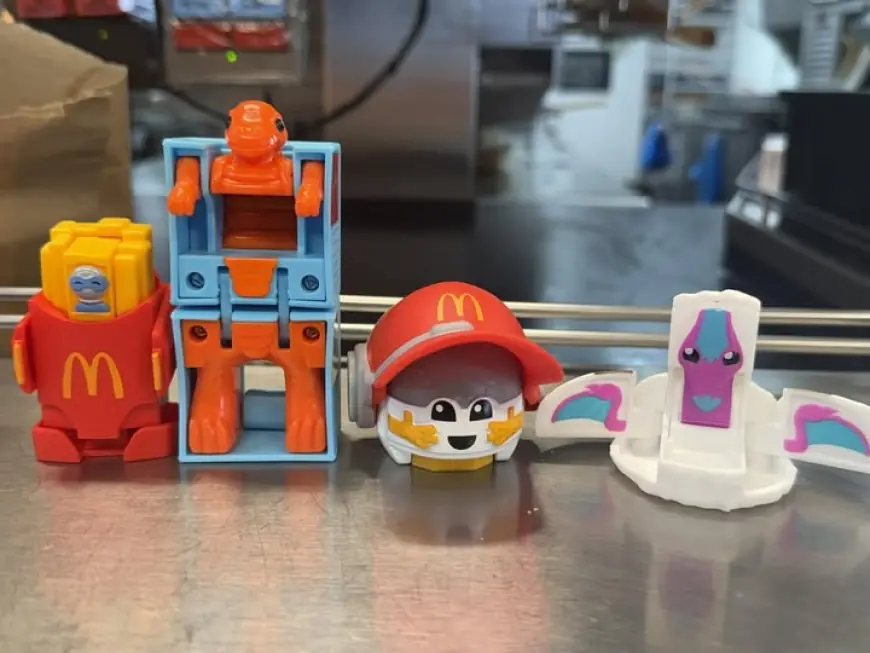
McDonald’s is turning Happy Meal toys into a full-scale nostalgia play again, tapping into decades of brand memory while trying to keep the kids’ meal feeling fresh for families. The latest Happy Meal toys push is drawing attention from parents and collectors alike, as demand for limited-time sets increasingly spreads beyond the restaurant counter into the secondary market.
Further specifics were not immediately available on how long the current toy run will last in every region. Key terms have not been disclosed publicly about exact allocation levels by restaurant and market.
A classic-style toy concept returns with a modern twist
This season’s Happy Meal toys are built around a throwback-friendly idea: playful, collectible figures that lean heavily on recognizable McDonald’s iconography and kid-friendly transformation features. The strategy is simple and familiar, but effective. When a toy set connects to childhood memories for adults while still working as a fun object for kids, it expands the audience far beyond the typical family drive-thru routine.
The renewed focus on retro appeal also reflects how fast McDonald’s toy culture has evolved. What used to be a small add-on has become a rotating product moment that can influence where families choose to eat, especially when a set is perceived as limited, complete-able, and worth saving.
Some specifics have not been publicly clarified about whether additional variants or region-exclusive items will appear later in 2026.
How Happy Meal toy rollouts typically work
Happy Meal toy programs usually operate as scheduled rotations. A set is produced in large quantities, distributed through regional supply chains, and released in a defined window until it sells through or the next program begins. Inventory can vary by location based on demand, shipment timing, and franchise ordering patterns, which is why one restaurant may have a different toy or run out earlier than another.
This system is designed to keep the experience new without changing the core meal. It also creates a natural sense of urgency. When customers believe the toys will not be available for long, they are more likely to visit sooner, return more frequently, or purchase multiple meals to collect a full set.
Collectors, resale buzz, and why demand spikes so quickly
The modern Happy Meal toy moment rarely stays confined to kids. Collectors track releases, compare variants, and chase full sets, while casual fans often buy a few meals for the novelty alone. When a toy line hits the right emotional note, resale listings and trading groups tend to appear almost immediately, which can amplify the sense that the toys are scarce even when distribution is widespread.
That creates an uneven experience at store level. Some families just want one toy with lunch, while others may be purchasing multiple meals to complete a set. McDonald’s typically tries to balance access and availability, but the reality of rotating inventories means not every restaurant can guarantee specific items on demand.
Who feels the impact: families, franchise crews, and collectors
Two groups feel this most directly. The first is families with young kids, who often experience toy runs as a simple weekly surprise and may be disappointed when a specific toy is unavailable. The second is restaurant crews and franchise operators, who can see sharper bursts of traffic during popular releases, adding pressure to already busy meal periods.
Collectors and gift-buyers are another key group, because their demand can change purchasing patterns. Instead of one Happy Meal per child, a household might buy several meals at once, or return multiple times in a week, which affects inventory burn rate and can leave later customers with fewer choices.
What happens next in 2026
In the days ahead, the next verifiable milestone will be the next official rotation update for Happy Meal toys, which typically marks the transition to a new theme and resets what is available in stores. Until then, customers looking for a particular item may want to check with their local restaurant about current stock, since availability often varies by location and can change quickly as shipments and sell-through rates shift.