

























“My Father’s Beautiful Passing Inspires My Own End-of-Life Wishes”

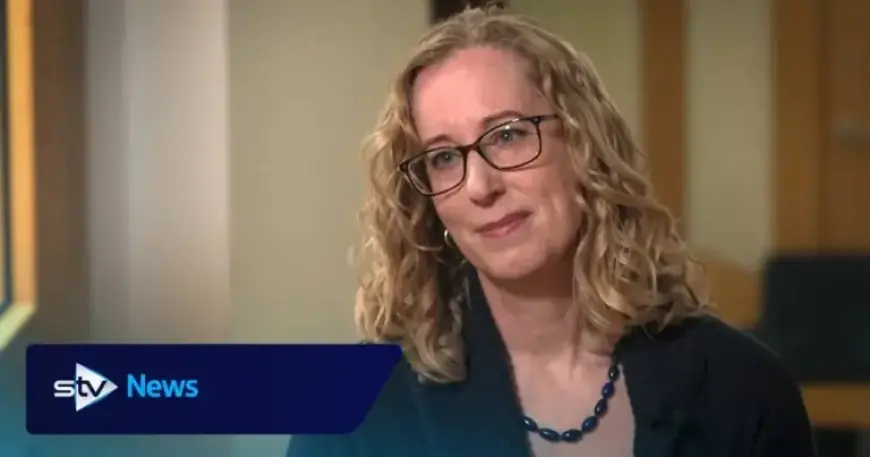
In a heartfelt revelation, Lorna Slater, the former co-leader of the Scottish Greens, shared her experiences surrounding her father’s assisted death in Canada. This poignant moment comes as Scotland navigates its own assisted dying legislation. Slater’s father, Andrew, chose to end his life at the age of 84 after enduring a significant stroke that left him bedridden.
Understanding the Impact of Assisted Dying
Assisted dying has been legal in Canada for over a decade, providing patients like Andrew the opportunity for what Slater described as a “beautiful death.” In an interview, she explained that discussions about medically assisted death had been a longstanding part of family conversations.
A Difficult Decision
- Andrew suffered a severe stroke in April 2020.
- He was placed in permanent care and faced multiple health issues.
- In September, he expressed a clear desire for assisted death.
While the decision was challenging, particularly for Slater’s mother, the family respected Andrew’s wishes. Slater emphasized that her father retained his full cognitive abilities until the end. This allowed him to choose an option that he felt best respected his suffering.
Final Moments
On the day of Andrew’s passing, the family was present in a calm environment, allowing them to spend quality time together before the procedure. Slater recalled the warmth and love shared during those crucial moments.
Context of Assisted Dying Legislation in Scotland
Lorna Slater has actively supported Scotland’s assisted dying bill, which seeks to provide terminally ill adults with the option of choosing medically-assisted death. The bill has recently voted in favor of its general principles, marking a significant milestone in the Scottish Parliament.
- The bill passed its initial vote with a score of 70 to 56.
- Liberal Democrat MSP Liam McArthur is leading the initiative.
- Further discussions and amendments are expected before the final vote in March 2026.
Under the proposed legislation, individuals must meet specific criteria, including having an advanced and progressive condition. They must also possess mental capacity and have lived in Scotland for at least a year.
Comparative Legislation
Scotland’s legislative journey occurs concurrently with similar discussions at Westminster, indicating a growing trend toward recognizing assisted dying as a viable option in the UK. Slater’s personal experience has undoubtedly strengthened her advocacy for these critical changes in law.
The discourse on assisted dying remains vital, and Slater believes it should complement, rather than replace, quality palliative care. As the conversation continues, families are urged to consider their end-of-life wishes, reinforcing the importance of these discussions in contemporary society.