

























Bruce Springsteen Criticizes ‘King Trump’ in New Song, “Streets of Minneapolis”

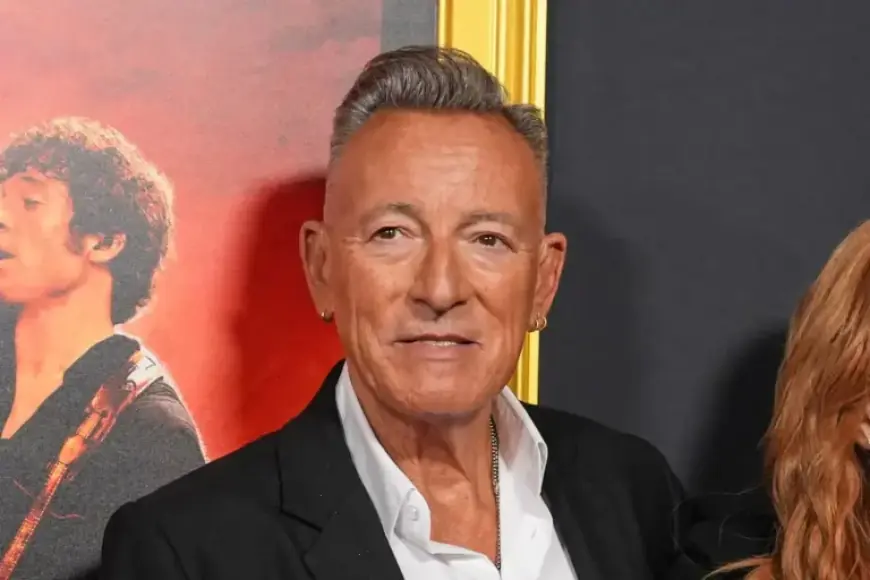
Bruce Springsteen has unveiled a new song titled “Streets of Minneapolis.” This release serves as a powerful critique of U.S. President Donald Trump’s immigration policies. The song particularly addresses recent federal immigration enforcement actions in Minneapolis, highlighting community struggles.
Song Overview and Context
The lyrics of “Streets of Minneapolis” poignantly describe the city’s turmoil. Springsteen refers to the city as “a city aflame fought fire and ice ’neath an occupier’s boots,” further criticizing what he terms “King Trump’s private army.” This song emerges after a tragic incident involving federal immigration agents, marking a significant moment in the ongoing debate about immigration enforcement.
Dedication and Meaning
In a statement, Springsteen dedicated the song to the people of Minneapolis, especially honoring the memory of victims Alex Pretti and Renee Good. He expressed that his creative process for this song came quickly, with recording completed over a single weekend. The heartfelt commitment to the immigrant community is evident throughout his poignant lyrics.
Response from the White House
The release has attracted government attention. Abigail Jackson, a spokesperson for the White House, dismissed the song, stating that the Trump administration aims to collaborate with local Democrats to address serious crime. She described Springsteen’s comments as “irrelevant opinions and inaccurate information.”
Musical Composition and Themes
Historical Context and Previous Conflicts
Springsteen’s latest work is reminiscent of his earlier hit “Streets of Philadelphia.” His commentary on Trump isn’t new; the two have clashed in the past, with Springsteen calling the current administration “corrupt” and “incompetent.” Trump’s retorts have labeled Springsteen as “overrated.”
Conclusion
Through “Streets of Minneapolis,” Bruce Springsteen emphasizes the need for solidarity and support for immigrants amidst a challenging political landscape. His lyrical narrative not only captures the essence of the ongoing struggles faced by many but also serves as a rallying cry for change.